
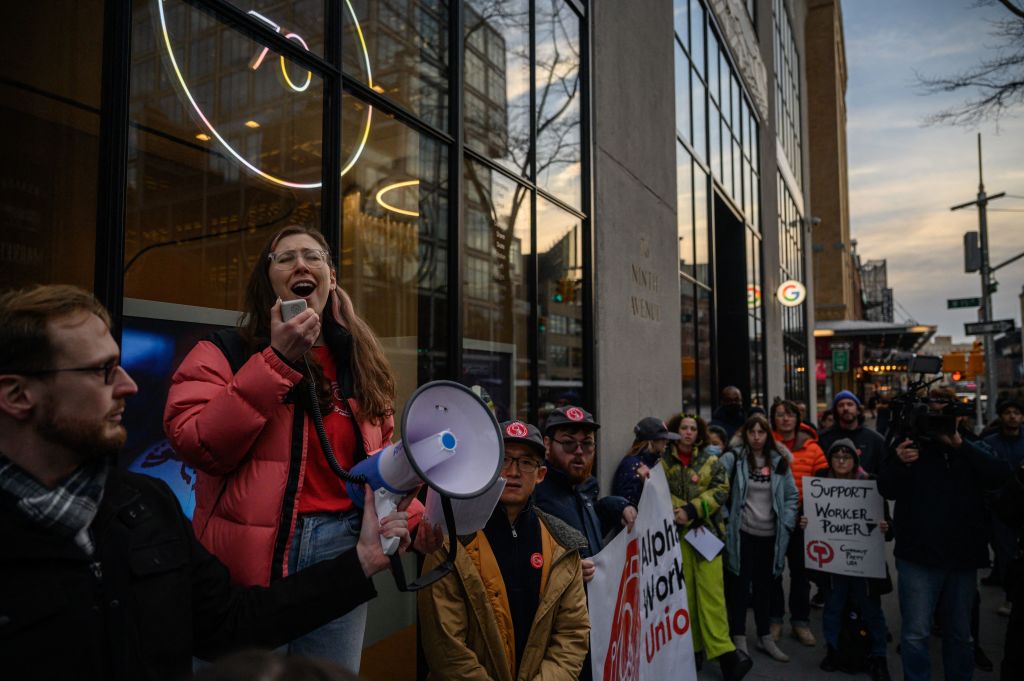
Interview byEric BlancNot long ago, tech companies courted their workers. Engineers were scarce enough that anyone who felt mistreated could quit and land somewhere else within weeks, so employers kept them around with generous perks and wide latitude on the job, and many firms took pains to look like the progressive institutions their staff expected them to be.That arrangement fell apart around 2022. Rising interest rates made executives far less willing to spend on their workforce, and many of them came to see their own employees’ activism as a problem to be crushed. Layoffs followed, aimed with notable precision at troublemakers, while the industry’s leaders bent the knee to Trump.JS Tan and Clarissa Redwine spent years trying to unionize this industry, and their new book, Against Tech Oligarchy: Worker Resistance in the World’s Most Powerful Industry, is unusually frank about what has and hasn’t worked. Their main argument is that the standard union campaign, which keeps the drive quiet until a majority signs on and saves open confrontation for the contract fight, fits tech badly. When factory workers walk out, production stops. Tech workers often have no idea where their leverage lies, as the New York Times Tech Guild learned when a well-organized strike on Election Day failed to disrupt operations.Tan and Redwine argue that workers will only find their leverage by picking fights with management over concrete grievances, long before anyone brings up the word “union.” Eric Blanc spoke with them about the chill that has settled over the industry, the promise and pitfalls of unionizing tech, salting, and whether artificial intelligence might push more coders to see themselves as workers.
Tech Workers’ Leverage Over Employers Is Shifting
Full Article
Original Source
Read the full article at Jacobin →KhanList aggregates and links to publicly available news content. We do not host full articles from third-party sources. Always verify important information with original sources.