
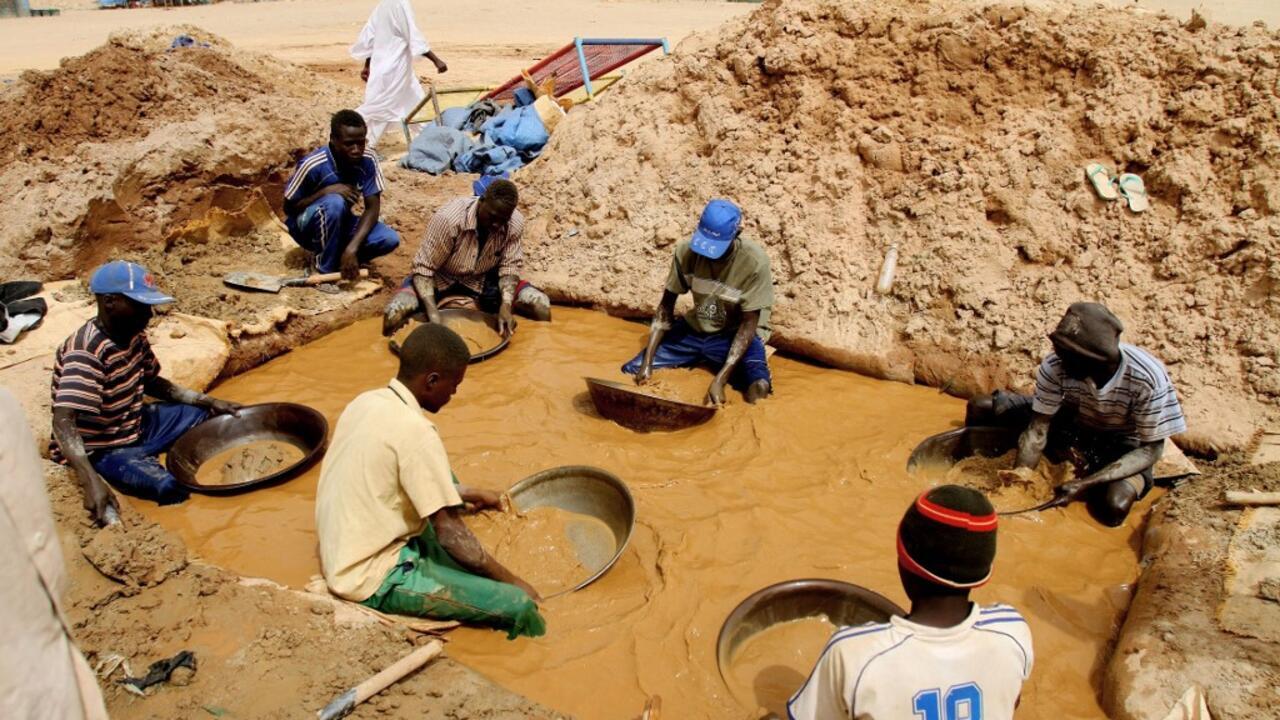
At least 60 people have been killed in the collapse of a gold mine in southern Sudan, with many more still missing and feared dead beneath the rubble. Issued on: 16/09/2026 - 17:01 3 min Reading time Since fighting erupted in April 2023 between Sudan’s army and the paramilitary Rapid Support Forces, both sides’ war efforts have been largely funded by the country’s gold trade, worth billions of dollars. According to Sudanese officials and mining industry sources, nearly all of the gold exported or smuggled from Sudan flows to the United Arab Emirates, which denies accusations that it has supplied weapons to the RSF. UAE building ‘relationships of dependence’ through investment across Africa Dangerous gold rush in unregulated mines With jobs scarce across much of the country, many young Sudanese have joined a dangerous gold rush, mostly in unregulated mines such as Al-Zaraa in West Kordofan. The mine's shafts began collapsing on Tuesday with dozens of small-scale miners underground. By the following morning 60 bodies had been retrieved. "We don't know how many more are still inside," one of the survivors, Khair al-Sayyed Jabara, told AFP after an all-night rescue operation with fellow miners, using the same rudimentary tools they use to extract gold. "Everyone's working very hard to retrieve the bodies or any survivors, but it's difficult. We need heavy machinery to clear the rock and soil." Most of Sudan’s gold is extracted through artisanal and small-scale mining operations, which take place in decommissioned mines or unofficial zones like Al-Zaraa. Miners work with their hands and rudimentary tools for meagre daily wages. To separate gold from ore, miners use hazardous chemicals including cyanide, posing serious health risks to workers and nearby communities. In July, the European Union banned the sale, supply, transfer or export of mercury and cyanide to Sudan because of their widespread use in gold mining. Treasure hunters looking for gold in Sudan have destroyed ancient sites using diggers AFP Photo A nation trapped: photographing the broken promises of Sudan's revolution Unlikely to find survivors Mine collapses are common across Sudan. In the country's army-controlled north and east, they occur in decommissioned mine shafts where young men sneak in to try to earn a day's wage. The resource-rich greater Kordofan region farther south has many unofficial mines that are effectively large, unsecured pits in the ground, where dozens of young men work every day. Al-Amin Suleiman, another miner who was working at the rim of Al-Zaraa on Tuesday, told AFP that "the shafts here are all close together. If one collapses, it brings down all the ones next to it". "This is what happened here. So far, 60 bodies have been pulled out, but there are people still trapped underground since yesterday. I don't think they are alive," he said. A large-scale rescue operation is all but impossible in West Kordofan, which is under RSF control along with the neighbouring Darfur region, where the United States has determined that the RSF and allied militias committed genocide. Sudan’s war reshapes loyalties as civilians see ‘no option’ but the army Gold fuels Sudan’s war economy Even before the war pushed nearly 20 million Sudanese into severe hunger, artisanal mining employed more than two million people, according to industry figures. Africa's third-largest country is one of the continent's top gold producers, and produced 70 tonnes of gold last year – its highest output in five years – according to the Sudanese Mineral Resources Company. But officials say most of the gold is smuggled across Sudan's borders, including through Chad, South Sudan and Egypt before reaching the UAE, the world's second-largest gold exporter. In July, the EU and the United Kingdom announced sanctions targeting Sudan's gold trade. The UK said it targeted "illicit gold and finance networks" trading in Dubai and Hong Kong, which it said are helping to finance "weapons procurement, military operations and the activities of armed groups" on both sides of the war. The UN has repeatedly warned that both sides are profiting from control over the country's resources and that a "war economy" was sustaining the conflict. (with newswires)
Sudan gold mine collapse kills dozens as search for missing continues
Full Article
Original Source
Read the full article at Rfi →KhanList aggregates and links to publicly available news content. We do not host full articles from third-party sources. Always verify important information with original sources.