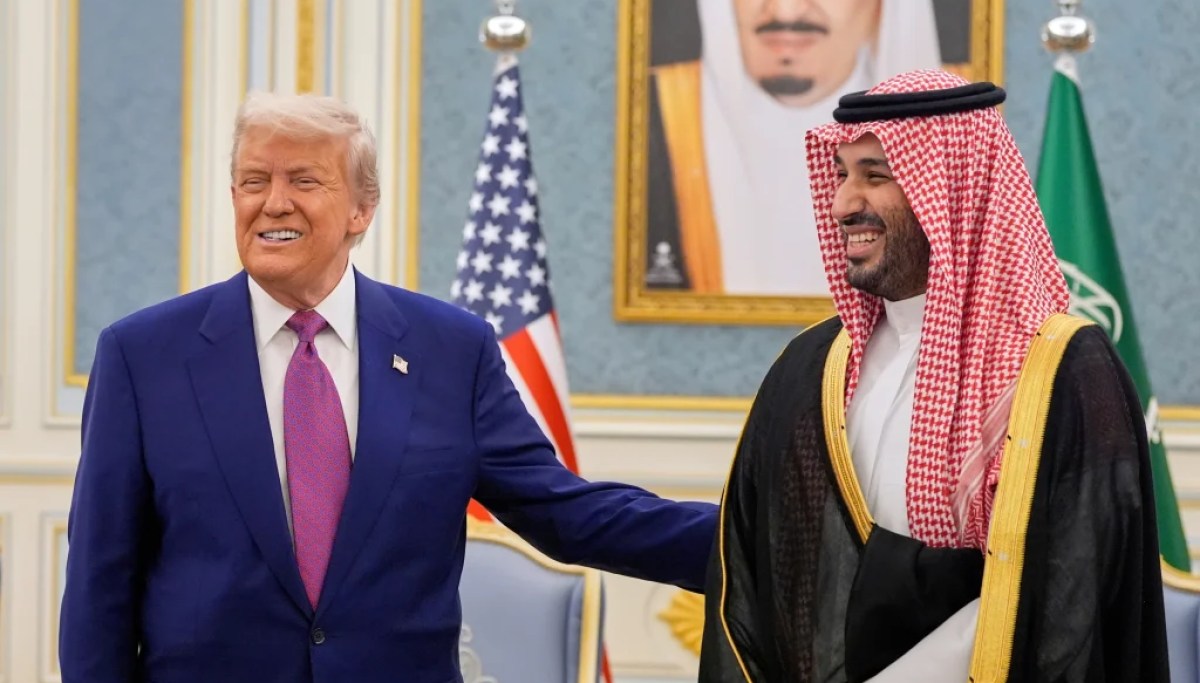
On Aug. 7, Saudi Arabia, Turkey, and Pakistan signed the Mecca Joint Defence Agreement, a mutual-defense pact declaring that an attack on any one signatory will be treated as an attack on all three. Two days later, Iran-aligned Houthi forces attacked Saudi Arabia and Saudi-backed forces in Yemen anyway — an early test of what the new arrangement actually means.Some analysts have already dubbed it a “Sunni NATO.” That’s the wrong read. The real story is simpler, and it matters for how Washington should respond: Saudi Arabia, Turkey, and Pakistan are each pursuing strategic autonomy, hedging against overreliance on any single outside power. That is not the same thing as abandoning the United States. The U.S.-Saudi relationship, specifically, will come out of this agreement essentially untouched — and American policymakers should stop treating every regional hedge as a defection. Recommended Stories Start with what the pact cannot do. Turkish Foreign Minister Hakan Fidan has compared it to NATO’s Article 5, but he’s also said the actual “form and degree” of any response would be worked out through consultations — meaning nothing is automatic. There’s no integrated command structure, no shared doctrine, and no history of these three militaries operating together in combat. The U.S.-led campaigns against Iraq in 1991 and 2003 took months of staging and logistics before a single offensive strike — and that was one military under one chain of command. Coordinating Saudi, Turkish, and Pakistani forces on short notice is a far harder problem than the treaty’s language implies. What’s more likely is that in an actual crisis, each country leans on the alliance it already trusts most: Turkey on NATO, Pakistan on China, and Saudi Arabia — still — on Washington. Pakistan has deployed roughly 8,000 troops, a fighter squadron, and a Chinese-made air-defense system to the kingdom during the current war with Iran, proof that real cooperation is possible. It is not proof that Riyadh has found a substitute for the American security relationship it has leaned on for 80 years.If anything, the weeks since the pact was signed have shown how much leverage Washington still holds over Saudi Arabia, specifically. On July 23, President Donald Trump said a newly signed U.S.-Saudi civil nuclear agreement was “totally subject” to Riyadh joining the Abraham Accords and normalizing relations with Israel — a major new condition imposed on the very country now cast as the leader of an “independent” security architecture. Pakistan, notably, had already turned down a broader American request to join the Accords. The Mecca pact didn’t touch that leverage at all.TRUMP IS RIGHT: GIVE SAUDI ARABIA NUCLEAR TECH BEFORE CHINA DOESNone of this makes the agreement meaningless. Intelligence-sharing, coordinated air defense, and a standing framework for consultation are real, if modest, gains. Even Iran’s Foreign Ministry conceded as much this week, calling the pact evidence that regional states are leaning on their own capabilities rather than outside powers. That’s a fair description of what’s actually happening: these countries want more options, not fewer allies.Washington should read the Mecca agreement for what it is — a hedge, not a defection. Saudi Arabia is not choosing between America and a new regional bloc. It is doing what middle powers have always done when a single guarantor starts to feel less certain: diversifying. The U.S.-Saudi relationship — anchored in military basing, intelligence sharing, arms sales, and now a nuclear deal Riyadh wants badly enough to negotiate over Israel — isn’t going anywhere. Policymakers in Washington don’t need to compete with a “Sunni NATO.” They need to recognize that it isn’t one.Malik AboRashid is an advisor focused on U.S.-Middle East policy, business, and security issues. He is a graduate of the University of California, Berkeley.
Stop calling it Sunni NATO: The Saudis aren’t ditching America — they’re just buying insurance
Full Article
Original Source
Read the full article at Washingtonexaminer →KhanList aggregates and links to publicly available news content. We do not host full articles from third-party sources. Always verify important information with original sources.