
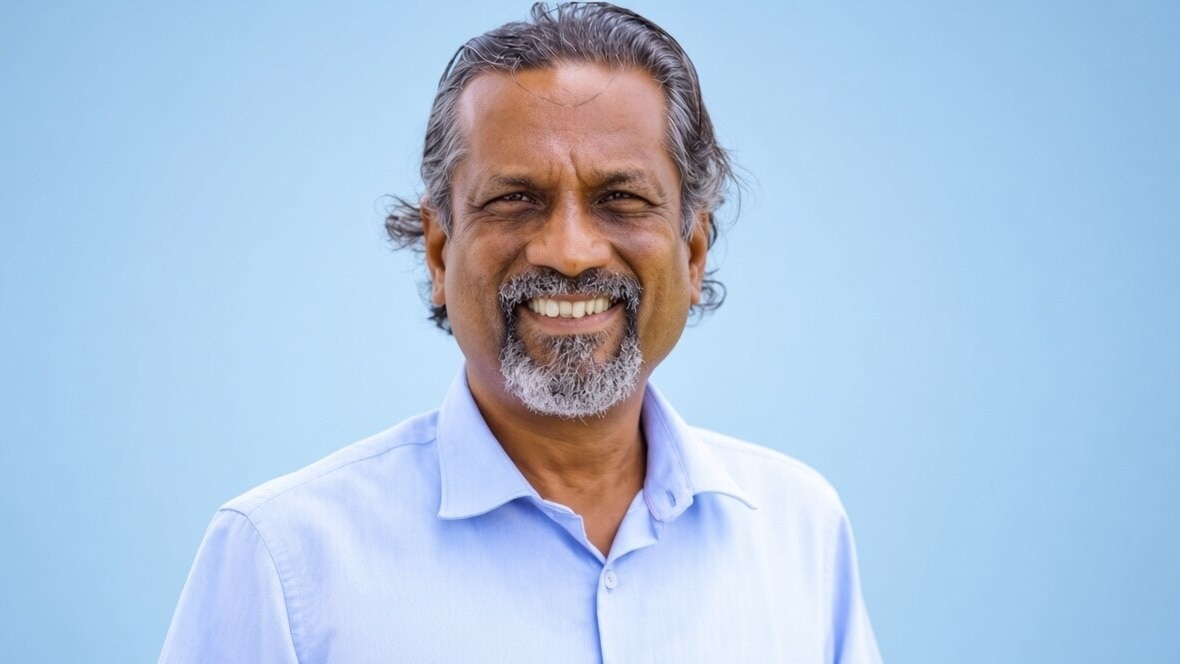
The world may be in awe of China due to its massive industrial base, impressive technological advances, and a merchandise trade surplus worth $1.2 trillion. Yet, the country is struggling to create enough jobs for its young, educated population. Zoho founder Sridhar Vembu believes this should serve as a warning for India, which is also facing growing pressure to find employment for its graduates.In an X post, Vembu wrote that around 70 per cent of unemployed people in China aged 20 to 24 hold university degrees. He pointed out that the problem is not simply about the number of jobs available, but also about the kind of work young people are being trained to pursue.“For decades, young Chinese were promised a simple deal: Study hard. Get a good job. Become richer than your parents. That deal is breaking,” He rewrote a post by an X user.Vembu said the education and economic systems across the world largely prepare young people for what he calls “steady paycheck” jobs. However, such jobs are no longer growing at the pace young graduates need. Automation and artificial intelligence could put even more pressure on these roles in the coming years. “This problem is about to get worse, not better,” he warned. His proposed solution is a major push towards entrepreneurship and self-employment. “Dramatic gains in entrepreneurship and self-employment” are needed, he said, adding that policymakers in India must pay attention to what is happening in China."For decades, young Chinese were promised a simple deal: Study hard. Get a good job. Become richer than your parents. That deal is breaking" China is the factory of the world, has impressive technology capabilities across a vast array of sectors and runs a $1.2 trillion merchandise trade surplus and yet is not able to create jobs for a big cohort of her college-educated youth. Approximately 70% of all unemployed individuals in the 20-to-24 age group hold university degrees in China. Our modern educational and economic system around the world trains young people for "steady paycheck" jobs and those jobs are not just not growing, they are under serious challenge due to automation and AI. This problem is about to get worse, not better. What is the solution? Dramatic gains in entrepreneurship and self-employment. That has been the foundation of prosperity even in America all the way until the mid 20th century. The rise of the big industrial and corporate "steady paycheck" job is a relatively recent phenomenon. We have to move away from that model. Policymakers in India must pay heed.— Sridhar Vembu (@svembu) November 9, 2026India faces its own graduate employment challengeIndia's numbers offer another reason to take Vembu's warning seriously. According to Azim Premji University's State of Working India 2026 report, around 67 per cent of unemployed Indians aged 20 to 29 were graduates in 2023. The figure was 32 per cent in 2004. The report found that India added roughly 50 lakh graduates every year between 2004 and 2023. However, the number of employed graduates increased by only around 28 lakh annually, with just 17 lakh getting salaried jobs.“Graduate employment, therefore, has not kept pace with graduate supply,” the report noted.The findings point to a growing gap between higher education and actual job opportunities. Concerns around skills, lack of experience and a mismatch between what graduates learn and what employers need have also contributed to the problem.Youth employment is becoming a global concernThe challenge is not limited to China or India. Reuters reported that the International Labour Organisation (ILO) found that the global unemployment rate among people aged 15 to 24 rose to 12.4 per cent in 2025, up from 12.3 per cent in 2023. This translates to around 67 million young people without jobs.The report also found that 20 per cent of young people worldwide, or more than 257 million, were not in employment, education or training. The ILO warned that AI could add to the pressure. Around 6.1 per cent of jobs currently held by people aged 15 to 29 are in occupations highly exposed to AI-related changes. Even if 10 per cent of these jobs disappear, around 5.6 million young workers could be affected.The ILO also highlighted the shrinking number of middle-skilled jobs in areas such as administration, sales and manufacturing. These roles have traditionally helped young people enter the workforce after school or university.With AI changing the nature of work, the pressure could grow further. Vembu's argument is that India cannot rely only on the traditional promise of a degree leading to a stable salary. Creating more opportunities for people to build businesses and work independently, he believes, will be just as important.- Ends
Sridhar Vembu says AI is threat to steady-paycheck jobs, India must rethink its education model
Full Article
Original Source
Read the full article at Indiatoday →KhanList aggregates and links to publicly available news content. We do not host full articles from third-party sources. Always verify important information with original sources.