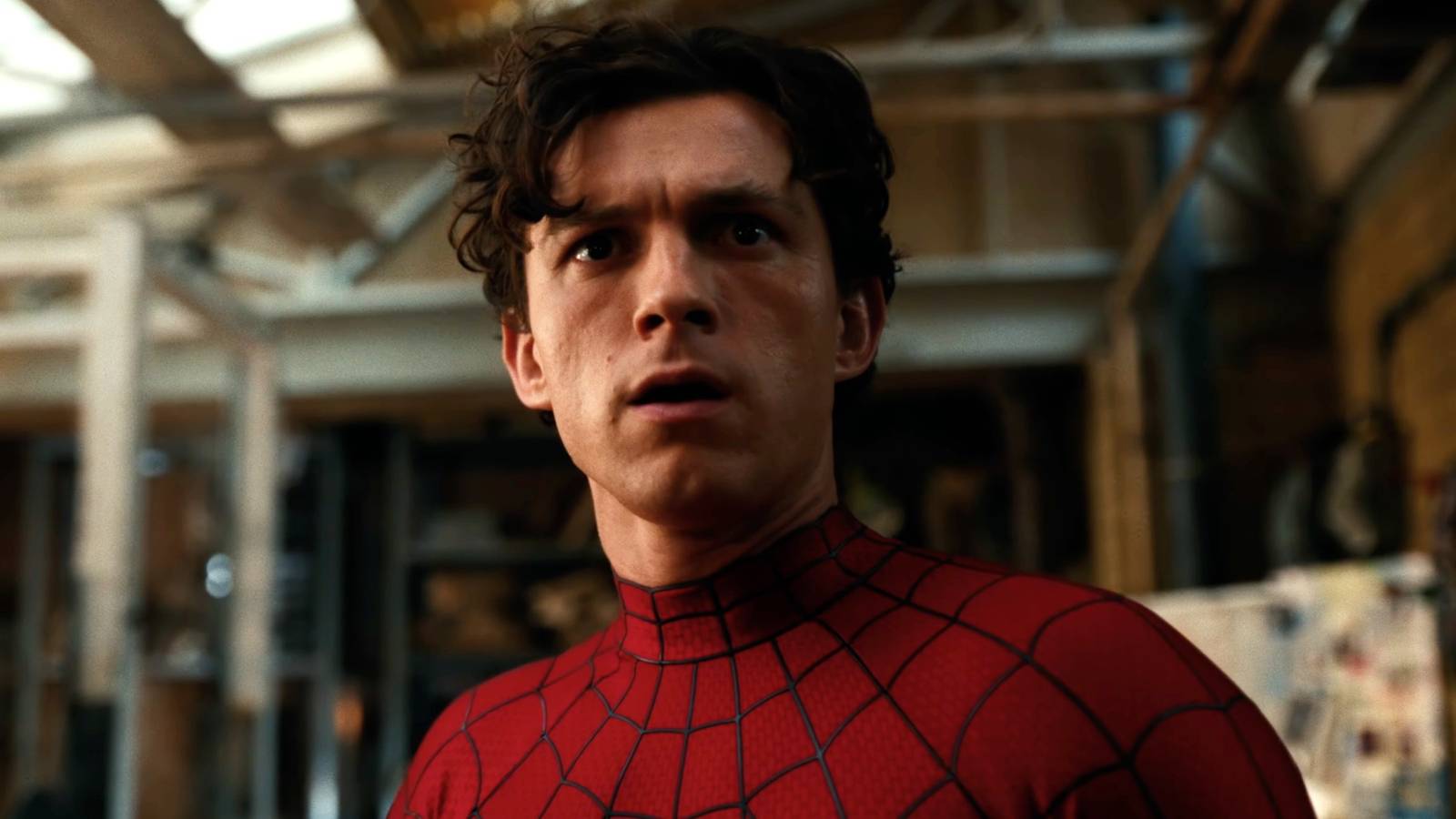
Published Aug 15, 2026, 8:10 PM EDT Richard Craig is a Senior Author at Screen Rant covering film and TV. Richard has also written extensively about horror and film soundtracks, contributing a chapter to the first major academic collection on the folk horror genre, The Routledge Companion to Folk Horror. Richard is also a performing musician and holds an MA in Music and Sound Art. Spider-Man: Brand New Day has completely transformed the MCU logo, making it a vital part of the upcoming story. For most moviegoers, the Marvel Studios logo is simply part of the pre-show experience. The lights go down, the familiar fanfare begins, clips from previous movies flash across the screen, and audiences settle in for the latest MCU adventure. It's iconic, instantly recognizable, and has become every bit as much a part of the Marvel experience as post-credits scenes and Stan Lee cameos once were. Over the years, however, the logo has gradually evolved beyond simple branding. Marvel has repeatedly updated it to reflect the state of the franchise while occasionally creating special variants for specific projects. Sometimes those changes have been cosmetic. Other times they have served a commemorative purpose, such as the Chadwick Boseman tribute version that debuted following the actor's death. Spider-Man: Brand New Day takes that evolution a significant step further. Rather than merely functioning as a stylish studio introduction, the film's version of the Marvel Studios logo actively contributes to the story being told. In doing so, it transforms a piece of franchise branding into a storytelling device. It’s a surprisingly important development for the MCU timeline. After nearly two decades of movies and television series, Marvel is increasingly finding new ways to connect audiences with its characters and ongoing narratives. Brand New Day demonstrates that even something as familiar as the Marvel Studios logo can become part of that process. Spider-Man: Brand New Day Transformed The MCU Logo Into Part Of The Narrative The version of the Marvel Studios logo used in Spider-Man: Brand New Day immediately stands apart from previous MCU entries because it focuses entirely on Spider-Man's corner of the franchise. Rather than pulling footage from across the wider MCU, the sequence uses clips specifically connected to Peter Parker's story. On the surface, that might seem similar to other recent franchise-specific logo variations. However, Brand New Day goes much further. Throughout the sequence, Peter Parker is seen disappearing from familiar scenes from Spider-Man movies. It’s a clever visual representation of the ending of Spider-Man: No Way Home, in which Doctor Strange's spell caused the world to forget Peter Parker's existence. In just a few seconds, the logo quietly reminds audiences where Peter's story left off. More importantly, it communicates the emotional consequences of that ending. Peter has effectively vanished from the memories of the people who once knew him. That's why the sequence is so significant. The Marvel Studios logo is no longer just introducing the movie. It is actively recapping previous events and reinforcing the central premise of Spider-Man: Brand New Day. Before the opening scene has even begun, viewers are already being reminded that Peter Parker has become a ghost in his own life. The Complete Evolution Of Marvel's Movie Logo Marvel's Early Movie Logo Marvel's history with on-screen logos actually predates the MCU by several years. Although Marvel Studios, operating primarily as a film licensing company, released Blade in 1998, it did not have a dedicated on-screen logo immediately associated with its movies. That changed with 2002's Spider-Man. Created by Imaginary Forces, the famous "Flipbook" logo became the company's defining cinematic introduction for nearly two decades. The sequence featured pages from Marvel comics rapidly flipping through the frame before forming the familiar Marvel logo. The presentation was relatively simple compared to modern versions. Depending on the film, it would often be accompanied by music from the movie's score or, in some cases, sound effects. One of the most notable variations debuted with Daredevil. The logo appeared across a huge range of Marvel adaptations, including films that had no connection whatsoever to the eventual MCU. Whether audiences were watching Spider-Man, Fantastic Four, X-Men, or Ghost Rider, there was a good chance they would see some variation of the Flipbook sequence first. Its longevity was remarkable. Versions of the logo remained in use until 2020, making its final appearance in marketing for The New Mutants. For an entire generation of comic-book movie audiences, those rapidly turning comic pages became synonymous with Marvel on the big screen. The MCU's Movie Logo When the Marvel Cinematic Universe launched with Iron Man in 2008, Marvel Studios introduced its own version of the Flipbook logo. The basic concept remained similar, but the word "Studios" was added beneath the Marvel branding. This first MCU-era logo appeared in Iron Man, The Incredible Hulk, Iron Man 2, Thor, and Captain America: The First Avenger. As the franchise grew, however, Marvel decided its logo needed to feel more cinematic. In 2013, Imaginary Forces redesigned the sequence entirely. Debuting in Thor: The Dark World, the new logo began with the familiar comic-page flipping effect before expanding into a three-dimensional metallic animation. Accompanied by Brian Tyler's now-iconic fanfare, it felt grander and more fitting for a rapidly expanding cinematic universe. Another major overhaul arrived in 2016 with Doctor Strange. Animated by Perception, the updated sequence transitioned from comic-book imagery into artwork and movie footage from the MCU itself. Rather than celebrating Marvel Comics alone, the logo now celebrated the interconnected film franchise. Subsequent versions continued evolving. Additional footage from newer movies was incorporated, while Disney+ series began appearing following Ms. Marvel. In 2021, Marvel introduced another updated version featuring grayscale character artwork, footage largely drawn from Phase 3 projects, darker lighting, and a metallic texture for the logo itself. By this point, the logo had become something of a living archive of the MCU's history. How The MCU Logo Has Evolved Recent Marvel projects suggest the studio is becoming far more experimental with its opening branding. Thunderbolts* moved away from the traditional film clip approach entirely, instead utilizing comic-book imagery connected directly to the Thunderbolts and Sentry. Meanwhile, Captain America: Brave New World and The Fantastic Four: First Steps adopted customized versions designed specifically to match the visual identities of their respective films. These variations indicate a major shift in how Marvel views the logo. Rather than requiring every project to use the same standardized opening, the studio increasingly treats it as an extension of each movie's creative identity. Spider-Man: Brand New Day may represent the most ambitious example yet because it uses the logo not just for branding, but for storytelling. Its altered footage functions almost like a miniature recap, reminding audiences of Peter Parker's unique status in the MCU while reinforcing the themes that drive the film. If Marvel continues down this path, the logo could become an increasingly important storytelling tool. Different franchises may receive custom introductions tailored to their characters, histories, and ongoing narratives. What began as a simple Flipbook animation in 2002 has gradually transformed into something far more flexible. The Marvel Studios logo has always reflected the state of the franchise. Spider-Man: Brand New Day suggests it can now help tell the story as well. Release Date July 29, 2026 Runtime 145 minutes Director Destin Daniel Cretton Writers Chris McKenna, Erik Sommers Producers Avi Arad, Kevin Feige, Louis D'Esposito, Amy Pascal, David Cain Cast Peter Parker / Spider-Man
Spider-Man: Brand New Day Made The Marvel Studios Logo More Important Than Ever
Full Article
Original Source
Read the full article at Screenrant →KhanList aggregates and links to publicly available news content. We do not host full articles from third-party sources. Always verify important information with original sources.