
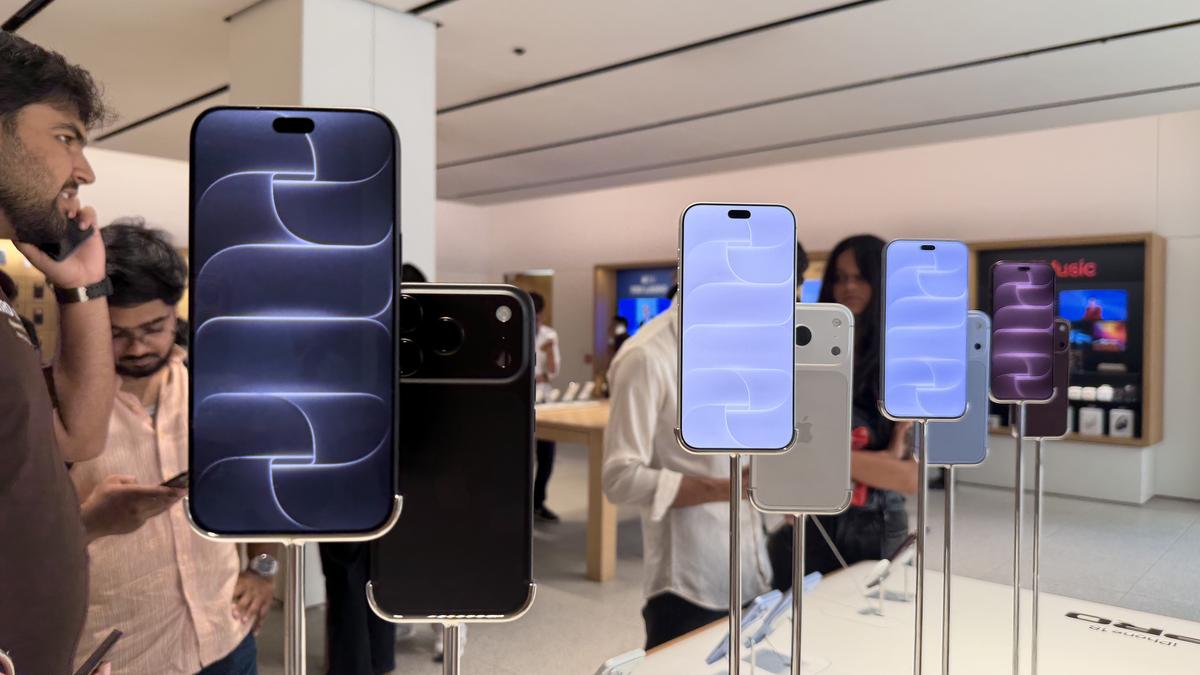
Smartphone prices surged around 17% in last 12 months, laptops and tablets rose 13.5% and 13.3% | Photo Credit: Haider Ali Khan A persistent global memory shortage has bifurcated India’s consumer technology market into two distinct price trajectories since November 2025, according to Techarc.Tracking online prices for 1,097 products from January 2025 through October 2026, the study reveals that memory-heavy categories such as smartphones, laptops, tablets, smart TVs, routers, and security cameras, reversed course from declining trends to sharp price increases.Smartphone prices, which dropped 7.3% between January and October 2025, surged 16.6% over the following 12 months. Laptops and tablets rose 13.5% and 13.3%, respectively.Budget consumers face the sharpest impact because memory accounts for a higher percentage of total manufacturing costs in low-cost hardware. Entry-level smartphones (up to ₹12,000) jumped 21.9% on average, whereas premium models over ₹1 lakh fell 5.7%. The cheapest third of laptops and tablets rose 20.1% and 27.5%, respectively.Market leaders like Samsung and Google kept smartphone price changes under 4%, while challenger brands raised prices by 14% to 22% as they relied more heavily on spot-market pricing.Conversely, memory-light categories remained unaffected by this inflation which the research firm calls memflation (memory-led inflation). Wireless earbuds dropped 16.3%, robot vacuums fell 12.8%, and smartwatches declined 7.5%, driven by intense retail competition.With chipmaker SK hynix projecting memory demand to exceed supply through 2030, Techarc expects cost pressures on memory-intensive electronics to persist through 2027. Published - November 28, 2026 12:53 pm IST
Smartphone prices surged around 17% in last 12 months, laptops and tablets rose 13.5% and 13.3%
Full Article
Original Source
Read the full article at Thehindu →KhanList aggregates and links to publicly available news content. We do not host full articles from third-party sources. Always verify important information with original sources.