
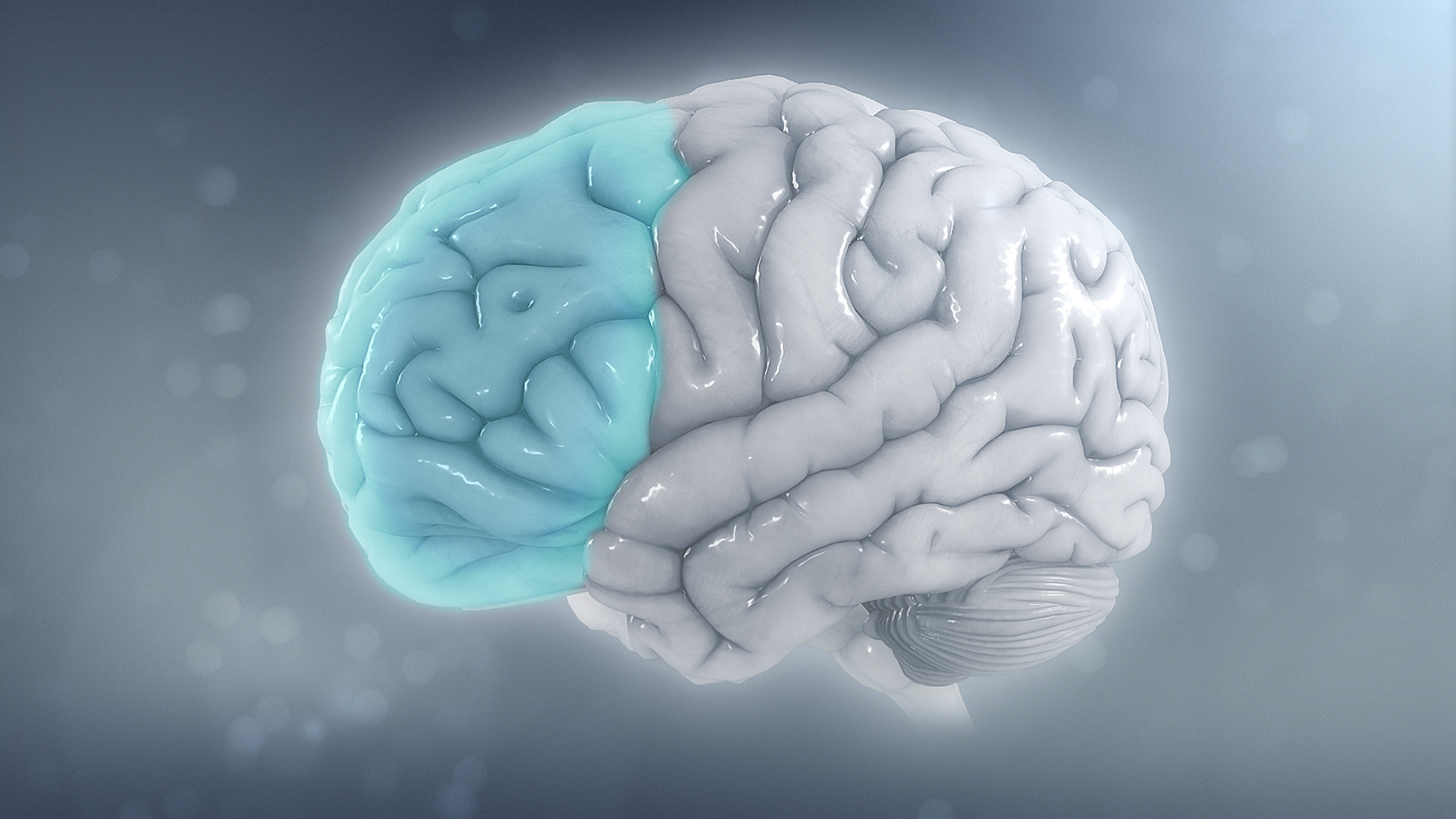
Scientists have discovered that a tiny midbrain structure anticipates visual and physical sensations before they occur, aligning with the idea that the brain does not simply wait for sensory input, but predicts what is about to happen. A new study from MIT and Northeastern University, published in Nature Neuroscience, suggests that brain regions that process sensory information also help prepare for these incoming stimuli. The superior colliculus, which researchers described to Medical Xpress as “one of the most well-studied brainstem structures,” shows distinct activity patterns before people see an image or feel physical pressure. Researchers continued to explain that the project grew out of a known idea in neuroscience called predictive processing. The brain does not simply wait around for input; it constantly predicts and prepares, if only because “reacting after the fact is costly,” the researchers explained. Brain scans reveal predictive activity The researchers examined 80 adults using ultra-high-field 7-Tesla functional magnetic resonance imaging (fMRI). Using this technology, they observed activity in the superior colliculus at a resolution of approximately 1 millimeter. Half of the participants viewed images. The other half received mechanical pressure on their left thumbs. Researchers told Medical Xpress that two questions drove these methods: “We wanted to answer two questions. First, is the human superior colliculus organized the way animal studies suggest, with vision concentrated in its upper layers and touch in its deeper layers? Second, how does it respond before a sensory stimulus arrives, when that stimulus is expected?” Before stimulation, these participants performed a shape-based decision-making task. The researchers then compared the changes that occurred between the two states of activity. Visual stimuli produced more activity in the superficial layers of the superior colliculus. Touch drove more activity in the deeper layers. “More importantly, the same layer-specific pattern showed up even before the stimulus arrived, when people were only anticipating a picture or a touch,” according to Medical Xpress. The study noted that the nature of the anticipated sensory experience affected these activity patterns in the superior colliculus differently. Prediction extends beyond the cerebral cortex The researchers used machine learning to determine whether brain activity patterns could distinguish between visual and tactile experiences. They observed similar patterns during anticipation and actual stimulation, corroborating the findings from the initial brain scans. The researchers also detected these predictive responses in two sensory-processing regions of the thalamus, suggesting that anticipation involves multiple structures beneath the cerebral cortex. This study challenges conventional understanding in neuroscience. Typically, prediction is considered a “higher-level function that happens in the cortex,” according to Medical Xpress. However, the study suggests that deeper brain structures that relay information to the cortex are part of a broader network designed to prepare for incoming input. The researchers acknowledged limitations such as the absence of eye-movement recordings during scanning and uncertainty. Some of the observed activity might simply have been general anticipation related to the experiment itself. Nevertheless, the findings demonstrate that the superior colliculus participates in predictive processing rather than simply reacting to incoming information. “In sum, the present work demonstrates that subcortical nuclei are not passive recipients of sensory input but, rather, that they both react to and anticipate sensory input from the external world,” the researchers concluded in the study. Get the latest in engineering, tech, space & science - delivered daily to your inbox.Originally from LA, Maria Mocerino has been published in Business Insider, The Irish Examiner, The Rogue Mag, Chacruna Institute for Psychedelic Plant Medicines, and now Interesting Engineering.
Small brain structure prepares for sights and touch before they occur, research shows
Full Article
Original Source
Read the full article at Interestingengineering →KhanList aggregates and links to publicly available news content. We do not host full articles from third-party sources. Always verify important information with original sources.