
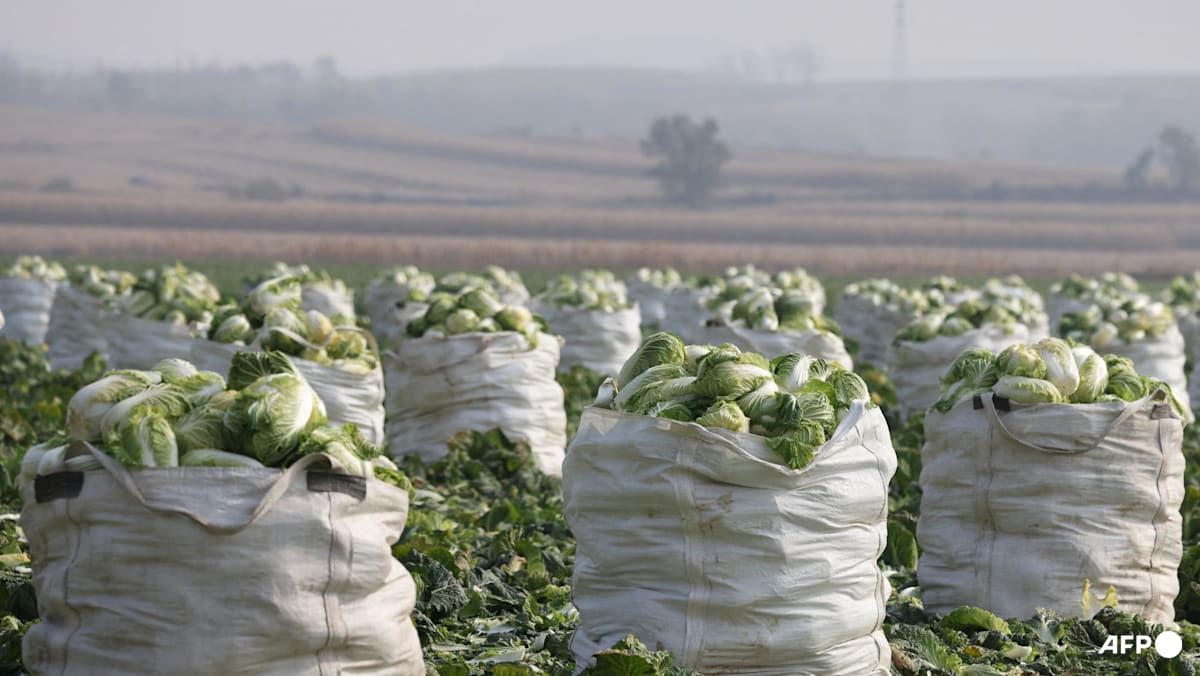
SINGAPORE: The Singapore Food Agency (SFA) said on Tuesday (Sep 1) that it has stepped up checks of cabbages following reports of the use of formaldehyde on the vegetables in China.In response to CNA's query, SFA said it was closely monitoring the situation, and had increased surveillance and testing as part of its food safety monitoring programme.This comes after South Korea similarly stepped up inspections of Chinese cabbage imports as the food safety scandal in China, involving the vegetables being dipped in formaldehyde, stirs regional concern. Taiwan has also moved to reassure consumers over the scandal, with the island also checking whether potentially tainted produce could have reached it indirectly.China has carried out nationwide inspections of perishable vegetables, after authorities in northern Hebei province confirmed on Aug 22 that formaldehyde - a known carcinogen - had been illegally used to preserve cabbages during transportation. The scandal emerged when a Chinese environmental blogger, known by his handle Qige, posted a video on Douyin, claiming that some workers in Tunken township in Hebei’s Kangbao county had dipped cabbages in an alleged formaldehyde solution before loading them for transportation.In the video, Qige asked the workers dipping the cabbages how long the treatment would keep the vegetables fresh. “Two to three days,” one replied.Workers in the video said the load was bound for Suqian city in Jiangsu province.The allegations quickly went viral. Local authorities confirmed on Aug 22 that preliminary investigations show the practices shown in the video had occurred, China Daily reported.Formaldehyde is classified as carcinogenic to humans by the International Agency for Research on Cancer. It is used in a range of industries, including in the manufacture of plastics and resins, and has preservative properties.
Singapore steps up cabbage testing following reports of formaldehyde use in China
Full Article
Original Source
Read the full article at Channelnewsasia →KhanList aggregates and links to publicly available news content. We do not host full articles from third-party sources. Always verify important information with original sources.