
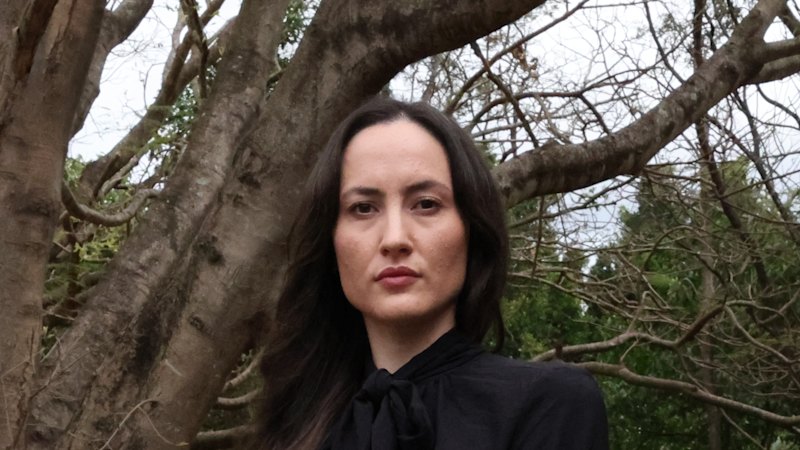
September 28, 2026 — 5:00amWarning: this article contains references to rape and sexual assault. Serene spent four years fighting to bring the massage therapist who she alleged raped her when she was 21 years old to justice.The Brisbane-based digital accessibility consultant was under no illusion the judicial process would be testing. But she didn’t expect to encounter a system that not only fails victim-survivors, but actively harms them. Brisbane woman Serene spent four years seeking justice for the massage therapist who she says raped her when she was 21-years-old.Courtney Kruk“I thought somebody was there to protect my interests,” Serene, 29, says. “I thought somebody was looking out for me.“It took years before I realised that wasn’t actually the case.”These systemic failures were exemplified by the way information Serene assumed to be confidential was used against her throughout the trial.Three weeks before the proceedings were scheduled to begin, she was told by prosecutors that defence lawyers had obtained her medical records, including hundreds of pages of hospital files. Clinical notes from a psychologist and psychiatrist were also accessed.“We are meant to be protected,” Serene says.“[But his defence team] got over 500 pages of my health records … and they used them in court.“When I got told that … I was hysterical. I was crying so much going, ‘what do you mean? This person assaulted me, and now they’ve got a free-for-all on my medical records’.”Health records and counselling notes are frequently sought in court proceedings, but laws prevent sensitive information from being automatically shared.In Queensland, defence, prosecution and police must seek permission to subpoena health records, and independent legal services can help victims fight for sensitive information to remain confidential.In Serene’s case, prosecutors failed to intervene before her hospital records were shared, and emails obtained after the trial show a mental health clinic improperly acted on subpoena notice, handing over her clinical file to defence lawyers before a decision by the court had been reached.“We are so let down at every stage,” she says.“We’re victim-survivors, and we are treated as criminals.“They access everything and use it out of context against you. It’s just the most traumatic experience.”Silke Meyer, a Griffith University criminologist and domestic, family and sexual violence researcher, says victim-survivors often assume medical records are confidential, and are unaware they can be subpoenaed in court.While legal services exist to protect sensitive records, many victim-survivors are not informed of judicial processes.“You need a victim-survivor or a complainant to be aware of [these services] to seek that kind of legal advice,” Meyer says.“The irony is … that you’ve got victim-survivors who seek therapeutic support for the kind of trauma that someone inflicted on them, and then in the end, seeking that support is used against them.”It took years for Serene to confront her alleged assault by a trusted health professional.Serene’s mental health deteriorated in the years after she was raped by a Brisbane massage therapist.Courtney KrukAt the time of the attack, she was training for a bodybuilding competition and had sustained an injury. A trainer at her gym referred her to a massage therapist on Brisbane’s north side.Serene says the man, then aged in his late 30s, raped her during their second appointment.“He got me in the most vulnerable position that you could think of,” she recalls.“I had [acupuncture] needles in my upper back, my arms over the table, and my head through a hole.“I was completely disarmed.”Serene’s mental health deteriorated in the years after the assault. At one point, she was misdiagnosed with bipolar disorder, a condition seized by the defence during the trial.“I’ve never been psychotic in my life,” she explains.“I was really unwell, and unfortunately, I went and saw a junior psychiatrist who was trained under a bipolar specialist.“That [diagnosis has] been overturned, and I’ve been correctly diagnosed with complex PTSD.“But because of the mistake that doctor made, it caused so much grief in this court case.”Serene decided to report her rape after reading an article calling for information about a massage therapist being investigated for sexual assault crimes.It was not the same man who she says assaulted her in 2018, but through police, she learnt he had been subject to similar allegations by two other women. Their trial ended in a hung jury. “It was such a horrible moment when I found out that he had gone to trial.“I felt so much guilt for not doing something sooner.”Serene’s trial ended in April with a jury finding the accused therapist not-guilty.She’s still coming to terms with her experience navigating a system she describes as harmful and unfairly traumatising towards victim-survivors seeking justice.“I had no idea that the prosecution weren’t representing me,” she says.“We need to be so much more transparent with victims … to give them the information so that they can make decisions.”Justice reform advocate Sarah Rosenberg was similarly floored when she sought justice against her alleged rapist in 2022.Like Serene, Rosenberg’s medical records were used by defence lawyers throughout the trial to discredit her allegations.“I went into the system with my eyes open … and it was still worse than I possibly could have imagined,” Rosenberg says.“All of these sensitive documents are stripped of context and used to discredit and humiliate you in front of the jury.“There’s evidence that [defence teams] do it just to intimidate victims out of testifying … and it works because it’s one of the number one reasons victims don’t report in the first place.”With You We Can co-founder Sarah Rosenberg advocates for independent legal representation for sexual assault victim-survivors.Rosenberg funnelled her experience into With You We Can, a resource hub for victim-survivors navigating complex legal processes.She believes independent legal representation is “the number one” reform needed to improve outcomes for victims, and ensure their rights are upheld.“They don’t have any legal rights because they don’t have any legal representative,” Rosenberg says.“The victim is not a legal party, you’re just a witness.“Until they’re viewed as participants rather than props, our justice system will keep prosecuting the wrong person.”Meyer wants to see victim-survivor advocates embedded into the legal system, ensuring those pursuing justice are consistently supported throughout court proceedings.“Somebody who’s on top of all of the processes and understands things, and can then connect [victims] with services, whether it’s Legal Aid or Women’s Legal Services.“That way, you have a complainant who is informed from the get-go and every step of the way.”Serene does not want her experience to dissuade victim-survivors from seeking justice but hopes her story is part of a broader mosaic calling for change.“I want people to look at this story and go ‘how can this happen in this country? How are we failing victims so severely?’”Support is available from the National Sexual Assault, Domestic Family Violence Counselling Service at 1800RESPECT (1800 737 732) or the Men’s Referral Service on 1300 766 491.Start the day with a summary of the day’s most important and interesting stories, analysis and insights. Sign up for our Morning Edition newsletter.More:JusticeCourtsCrimeMental healthCourtsQueensland courtsFrom our partners
Serene’s medical records were exposed in court. It’s a reality for thousands of sexual assault cases
Full Article
Original Source
Read the full article at Smh →KhanList aggregates and links to publicly available news content. We do not host full articles from third-party sources. Always verify important information with original sources.