
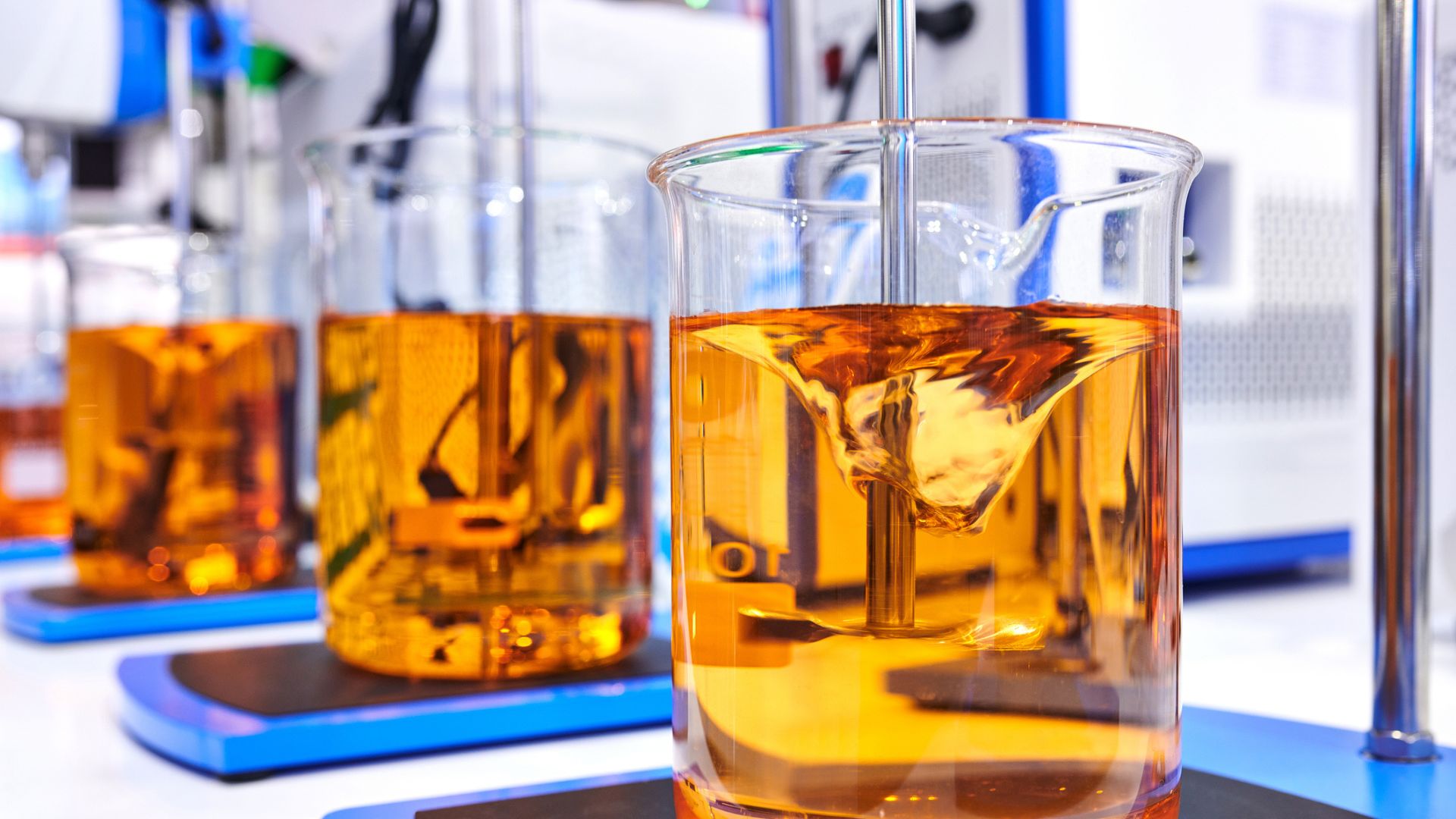
The shift toward electric vehicles has left internal combustion engines facing an uncertain future. But lowering emissions may depend less on swapping out cars and more on changing what we put in them. Researchers have developed four hybrid, low-carbon gasoline formulations: HyperFuel-95, HyperFuel-98, HyperFuel-100, and HyperFuel-102. Developed at the University of Sharjah’s Research Institute of Sciences and Engineering (RISE), this HyperFuel series could slash carbon footprints while pumping octane ratings up to 102. Octane measures how well fuel resists exploding prematurely under compression in a gasoline engine. The HyperFuel series offers a practical mid-ground for decarbonization by enhancing internal combustion engines across everyday fleets, motorsports, and aviation. It could lower overall carbon emissions without forcing drivers into expensive electric vehicle upgrades by substituting fossil fuels with bio-derived, high-octane alternatives. “Significant originality is presented in the current work on providing a new propulsion technology for successfully producing new recipes for hybrid low-carbon, eco-friendly, high-octane Hyperbiofuel-derived gasoline by leveraging these refined fuel fractions and renewable petrol additives,” the researchers noted. Schematic diagram of GFT production. Credit: Thermal Science and Engineering Progress Novel use of MED The four hybrid, low-carbon gasoline bio-blends were formulated by combining petroleum components with bio-derived isopropanol (produced from biomass feedstocks via ABE fermentation) and methyl ester of dimate (MED). MED makes its debut as a gasoline additive in this study. It was synthesized by methoxylating isohexene (dimate) with methanol. And serves as a powerful renewable octane booster, outperforming conventional additives with an impressive Research Octane Number (RON) of 131.5 and a Motor Octane Number (MON) of 120. In addition to MED, researchers blended petroleum streams such as gasoline, Fischer-Tropsch, reformate, and light straight-run naphtha. Adding MED to the blend elevated the anti-knock performance and stability of the HyperFuel series, proving its viability as a high-potency bio-component for low-carbon fuels. The team evaluated the fuel’s performance through rigorous laboratory testing. The team benchmarked all four HyperFuel grades against a standard commercial reference gasoline composed of 60 percent reformate and 40 percent fluid catalytic cracking gasoline by volume. To boost octane ratings across the HyperFuel lineup, researchers lowered the amounts of lower-octane ingredients (GFT and LSRN) and added more high-octane ones (MED and reformate). While keeping isopropanol steady at 25 percent, they increased MED from 17 percent to 20 percent and reformate from 15 percent to 29 percent when moving from HyperFuel-95 to HyperFuel-102. Commercial hurdle remains These precise compositional tweaks balanced petroleum and bio-based fractions to maximize both sustainability and overall fuel quality. To verify these gains, researchers put the formulations through rigorous standardized tests. It evaluated everything from octane rating, density, and vapor pressure to oxidation stability, gum content, and copper corrosion. The overall testing confirmed their potential as optimized, low-emission, high-performance gasoline substitutes. The HyperFuel series offers a viable transitional bridge to lower carbon emissions without requiring modifications to existing internal combustion engines. Laboratory testing confirms the blends meet regulatory standards, deliver superior anti-knock and anti-detonation performance, and maintain high oxidation stability, along with low sulfur and benzene levels. Commercial scalability remains the final hurdle. The researchers state that full techno-economic evaluations, lifecycle carbon tracking, and supply-chain costing are needed before HyperFuel hits neighborhood pumps. Yet, as transitional tech goes, HyperFuel could prove that internal combustion still has plenty of mileage left in a low-carbon world. The study was published in the journal Thermal Science and Engineering Progress. Get the latest in engineering, tech, space & science - delivered daily to your inbox.Mrigakshi is a science journalist who enjoys writing about space exploration, biology, and technological innovations. Her work has been featured in well-known publications including Nature India, Supercluster, The Weather Channel and Astronomy magazine. If you have pitches in mind, please do not hesitate to email her.
Scientists create four low-carbon fuels that could keep gasoline engines running
Full Article
Original Source
Read the full article at Interestingengineering →KhanList aggregates and links to publicly available news content. We do not host full articles from third-party sources. Always verify important information with original sources.