
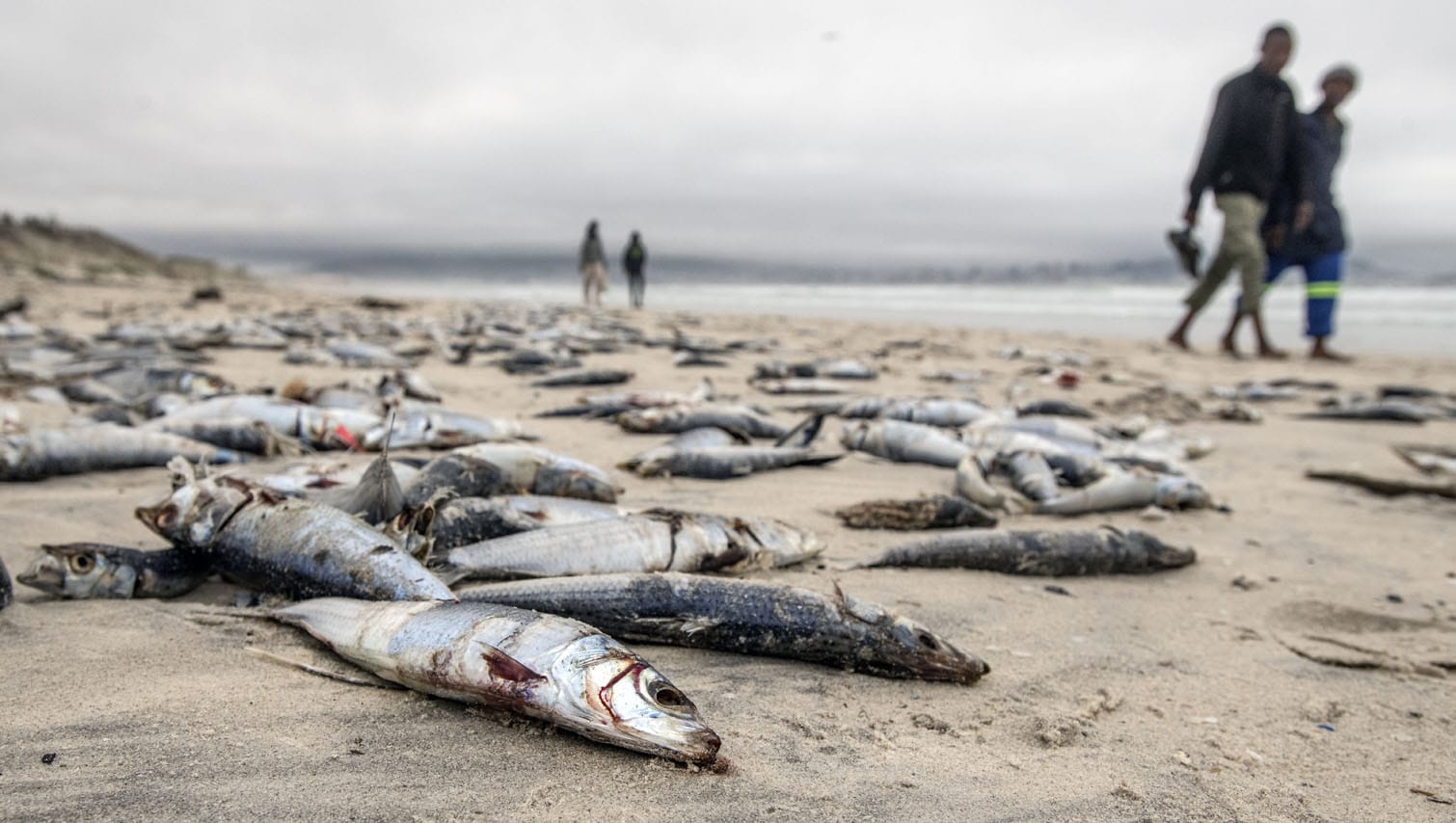
The DFFE said sardine deaths on the Wild Coast had eased, but a virus probe and catch limit continues. Here is what it means for seafood safety. The Department of Forestry, Fisheries and the Environment (DFFE) said on Sunday that no new dead sardines had been reported since 10 September 2026. The last isolated wash-up was near Mbotji on the northern Wild Coast. Sardine deaths slow, but monitoring continues Officials have kept surveillance arrangements in place, according to the DFFE. “The absence of further reports indicates that the acute phase of the mortality event has subsided.” The department was careful, though. “It remains too soon to conclude that the event is over.” It asked coastal authorities, fishers and the public to report any new cases promptly. Pilchard herpesvirus still the main suspect Scientists are still testing samples taken before and during the die-off. They are also testing samples from commercial sardine catches. “Pilchard herpesvirus (PHV) remains the strongest biological factor associated with the event.” According to the DFFE, the work aims to explain the cause, spread and source of the virus. It also looked at whether ocean conditions played a part. “No conclusion has yet been reached regarding when or how the virus began circulating in South African sardines.” Sardine catch limit and what happens next The DFFE confirmed the fishing restriction was still active. “The temporary precautionary catch limitation introduced on 11 September 2026 remains in force until 2 October 2026.” The Small Pelagic Scientific Working Group is due to meet on 29 September 2026. It will review mortality reports, lab results and catch data. It will also then advise on the sardine fishery once the limit ended. The DFFE said any decision would be shared after the process was complete. The High-Level PHV Task Team oversaw the response plan. The department said a year-end survey would offer fresh answers. “The planned end-of-year hydroacoustic survey will provide the first estimate of sardine biomass and distribution following the mortality event.” Is it safe to eat sardines? The DFFE addressed health concerns directly. “PHV is a fish virus and is not known to infect people.” Shop-bought fish is not a worry, according to the department. “Commercially produced sardine products released through regulated channels remain safe.” It gave clear advice to beachgoers. “Members of the public should nevertheless not collect or consume dead sardines found on beaches, feed them to animals, or use them as bait.”
Sardine deaths ease, but are they safe to eat?
Full Article
Original Source
Read the full article at Citizen →KhanList aggregates and links to publicly available news content. We do not host full articles from third-party sources. Always verify important information with original sources.