
Bennett Oghifo Lagos residents face mounting environmental risks as the state generates about 13,000 tonnes of waste daily, with plastics accounting for 15 per cent, Governor Babajide Sanwo-Olu has warned, linking indiscriminate waste disposal and wetland destruction to worsening floods, damaged property and threats to public health. Speaking at the 20th Annual Walk for Nature, organised by the Nigerian Conservation Foundation (NCF) in partnership with the Lagos State Government at Lagos State University (LASU), Ojo, on Saturday, Sanwo-Olu said plastic waste dumped into drains, canals and the lagoon obstructed waterways and returned to communities as floodwater during rainfall. He described waste management and the destruction of natural ecosystems as urgent challenges for the coastal state, warning that their consequences extended beyond environmental pollution to homes, businesses, transportation and livelihoods. Sanwo-Olu said Lagos’s low-lying terrain, dense population and rapid urbanisation had heightened its vulnerability to flooding and coastal erosion, making the protection of wetlands, mangroves and lagoon fronts essential to the state’s safety. The governor outlined three major areas of intervention: plastic pollution, uncontrolled wetland reclamation, and investment in drainage infrastructure and green spaces. On plastic pollution, he said the government had been enforcing its ban on Styrofoam and other prohibited single-use plastics since July 1, 2025. Businesses found storing, selling or distributing the banned products face sanctions. He added that enforcement was being supported by efforts to promote sustainable alternatives and expand environmental education in schools and communities. On wetland protection, Sanwo-Olu recalled that the government suspended reclamation activities undertaken without the required Environmental Impact Assessment approvals and drainage clearances in September 2025. He stressed that development must comply with environmental regulations, warning that filling wetlands and building over drainage channels weakened the natural systems that help control flooding and protect coastal communities. The governor said the state was also investing in drainage infrastructure, mangrove restoration, tree planting and parks to improve climate resilience and preserve the natural environment. He urged residents to stop dumping refuse into drains, reject unnecessary single-use plastics and avoid construction on wetlands and drainage channels. Addressing students and young people, he encouraged them to separate waste, plant trees and promote responsible environmental practices within their campuses and surrounding communities. Sanwo-Olu thanked the NCF for sustaining the annual walk for 20 years, saying the next phase of the initiative must deliver measurable results rather than awareness alone. NCF Demands Stronger Climate Action In her address, the Chairman of the NCF National Executive Council, Hon. Justice R.I.B. Adebiyi, called for stronger climate action by governments, businesses, universities and communities, warning that environmental degradation was threatening livelihoods, public health and economic development across Nigeria and Africa. She identified rising sea levels, recurrent flooding, extreme heat and wetland loss as growing threats to Lagos, stressing that protecting nature was essential to safeguarding people and economic assets. Adebiyi urged federal and state governments to integrate climate action into land-use planning, flood management, urban development and environmental governance. She called for the full domestication and implementation of the Climate Change Act 2021 at the subnational level, including carbon budgeting for Lagos State. She also advocated incorporating nature-based solutions into the Lagos Climate Adaptation Plan and drainage master plan, designating additional protected wetlands, enforcing Environmental Impact Assessment requirements and increasing investment in green infrastructure, public transportation and renewable energy. The NCF chairman challenged businesses to move beyond sustainability pledges and environmental, social and governance reports to implement measurable actions that reduce emissions, restore ecosystems and improve waste management. She said the foundation remained ready to work with responsible businesses through initiatives such as its Adopt-a-Wetland programme and Green Recovery Nigeria. She also urged the media and civil society organisations to strengthen environmental education and hold public and private institutions accountable for their environmental responsibilities. Lagos Targets 20,000 Trees Earlier, the Permanent Secretary, Office of Environmental Services, Ministry of the Environment and Water Resources, Mr. Tajudeen Omobolaji Gaji, disclosed that Lagos was targeting the planting of 20,000 trees in 2026 to improve air quality, reduce urban heat and strengthen climate resilience. He said the government was also promoting waste recovery, recycling and circular economy practices to reduce indiscriminate disposal and protect waterways, drainage channels and other ecosystems. Gaji stressed that effective climate action required collaboration among government agencies, businesses, educational institutions and residents, noting that wetlands and mangroves served as natural buffers against flooding, supported biodiversity and sustained livelihoods. He said the 20th edition of the walk, which was expected to attract more than 2,000 participants, demonstrated the importance of sustained public engagement in environmental protection. The event brought together government officials, conservation advocates, students, volunteers, businesses and other stakeholders under the theme, Inspired for Climate Action – Lagos Must Listen, Our Action Matters. The central message was that Lagos’s ability to withstand climate threats depends not only on government investment and enforcement but also on protecting natural drainage systems, reducing plastic pollution and ensuring that development does not destroy the ecosystems that shield communities from environmental hazards. Caption: L-R: Founder and CEO, 7-Fifteen Capital Ltd., Tope Adekoya; Deputy Governor of Lagos State and APC governorship candidate, Dr. Obafemi Hamzat; APC deputy governorship candidate, Princess Damilola Sonayon-James; Co-founder and Deputy CEO, 7-Fifteen Capital Ltd., Adesuwa Belo-Osagie; and Managing Partner, Kolban Visions Ltd., Segun Banjoko, at the 7-Fifteen Capital private dinner with Dr. Hamzat and young business leaders in Ikoyi, Lagos… recently
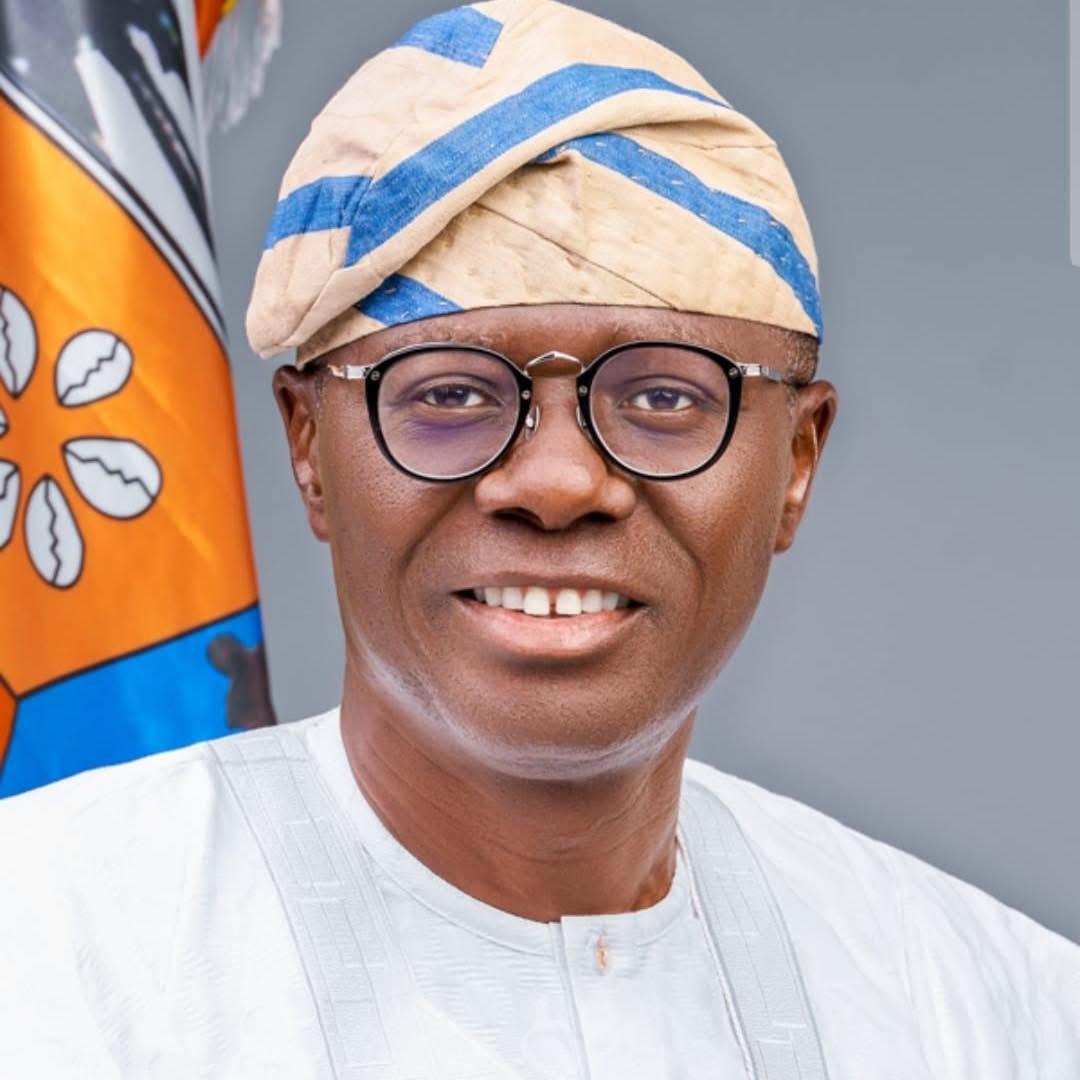
Sanwo-Olu Warns Against Wetland Destruction, Strengthens Plastic Ban Enforcement
Full Article
Original Source
Read the full article at Thisdaylive →KhanList aggregates and links to publicly available news content. We do not host full articles from third-party sources. Always verify important information with original sources.