
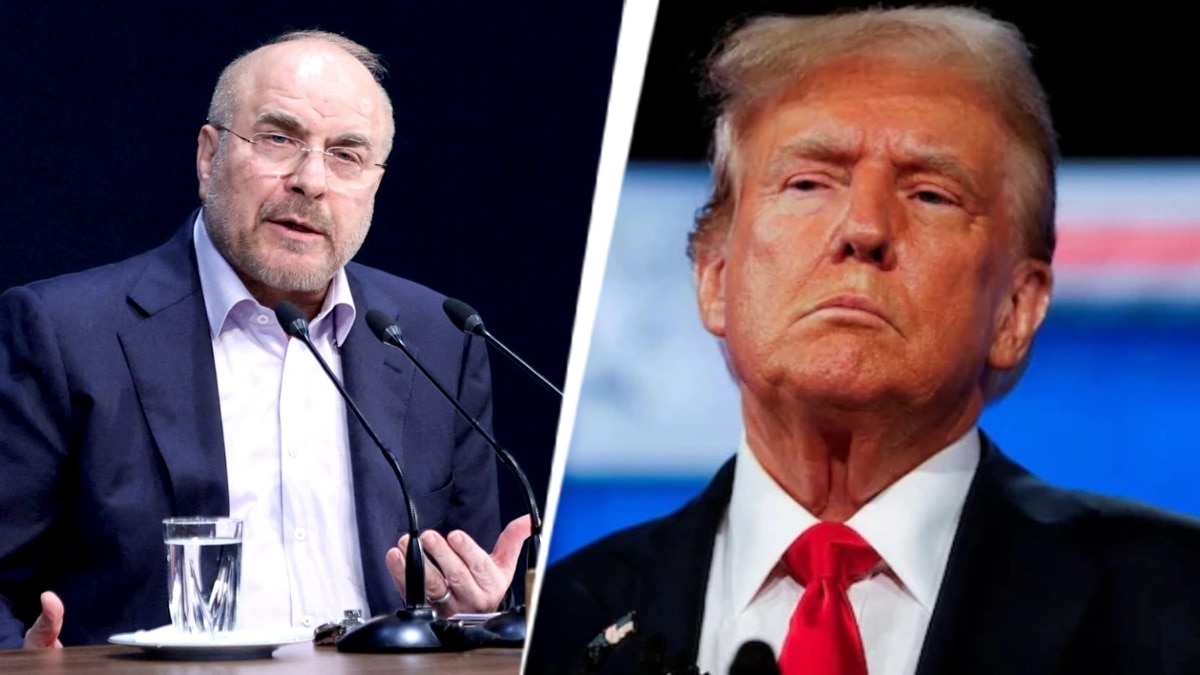
Iran has warned the United States that the rules of the conflict have changed, threatening a "faster, heavier and more painful response" to any further attacks as fighting resumes around the strategically vital Strait of Hormuz.The warning from Iranian Parliament Speaker Mohammad Baqer Ghalibaf came a day after the US military struck three Iranian oil tankers in the Gulf. Washington said the strikes were retaliation for ballistic missile attacks by Iran's Islamic Revolutionary Guard Corps (IRGC) on two US Navy ships."From now on, any attack against Iran’s interests and security will receive a faster, heavier and more painful response," Ghalibaf said in a speech published on his Telegram channel. This marks another sharp escalation in a conflict that began with US and Israeli strikes on Iran on February 28. Although a ceasefire was announced in June, sporadic fighting has continued and diplomatic efforts to revive the peace process have stalled.Ghalibaf said Washington should understand "before it is too late" that the rules of the game had changed. Iran has repeatedly demonstrated that it can threaten US interests across the region while also putting pressure on the Strait of Hormuz. On Sunday, Iran also claimed it had struck an unmanned US vessel attempting to enter the strait. The US military did not immediately confirm the attack, and later described the claim as false, according to the Associated Press.SANCTIONS PUT IRAN'S ECONOMY UNDER PRESSUREAlongside the military confrontation, Tehran is facing mounting economic pressure from US sanctions and the blockade of Iranian oil exports. Ghalibaf said Iran's "main battle" was now also about production and people's livelihoods, pointing to currency fluctuations, inflation, unemployment and problems managing markets. Meanwhile, Iranian Economy Minister Ali Madanizadeh said the government would respond through economic reforms rather than change its policies under US pressure. "They speak of economic pressure and isolation, of breaking off financial ties and they think that by pressuring the economy of a country they can change the decisions of its people," Madanizadeh said."I have to clarify one point: the responsibility of reforming Iran’s economy is with its government and people, not with the US Treasury." Iran has continued looking for ways around sanctions and the oil blockade, including through a shadow fleet that helps transport crude to buyers.KHARG ISLAND KEEPS EXPORTS MOVINGIran's oil industry has also remained a key battleground. Kharg Island, the country's main crude export hub, has reportedly been struck more than 550 times since the war began. Oil Minister Mohsen Paknejad said the island continued operating despite the attacks, with workers continuing to load crude onto tankers under bombardment.The US blockade has also disrupted commercial shipping. CENTCOM said on Sunday that US forces had redirected 92 commercial vessels, disabled three and boarded two as part of efforts to enforce the maritime blockade against Iran.With Tehran threatening stronger retaliation, Washington tightening pressure on Iranian oil exports and efforts to revive stalled peace talks showing little progress, hopes of a negotiated end to the conflict are fading.- EndsWith inputs from agenciesPublished By: Satyam SinghPublished On: Sep 6, 2026 19:45 IST
Rules changed: Iran threatens 'more painful' response to US strikes on Gulf tankers
Full Article
Original Source
Read the full article at Indiatoday →KhanList aggregates and links to publicly available news content. We do not host full articles from third-party sources. Always verify important information with original sources.