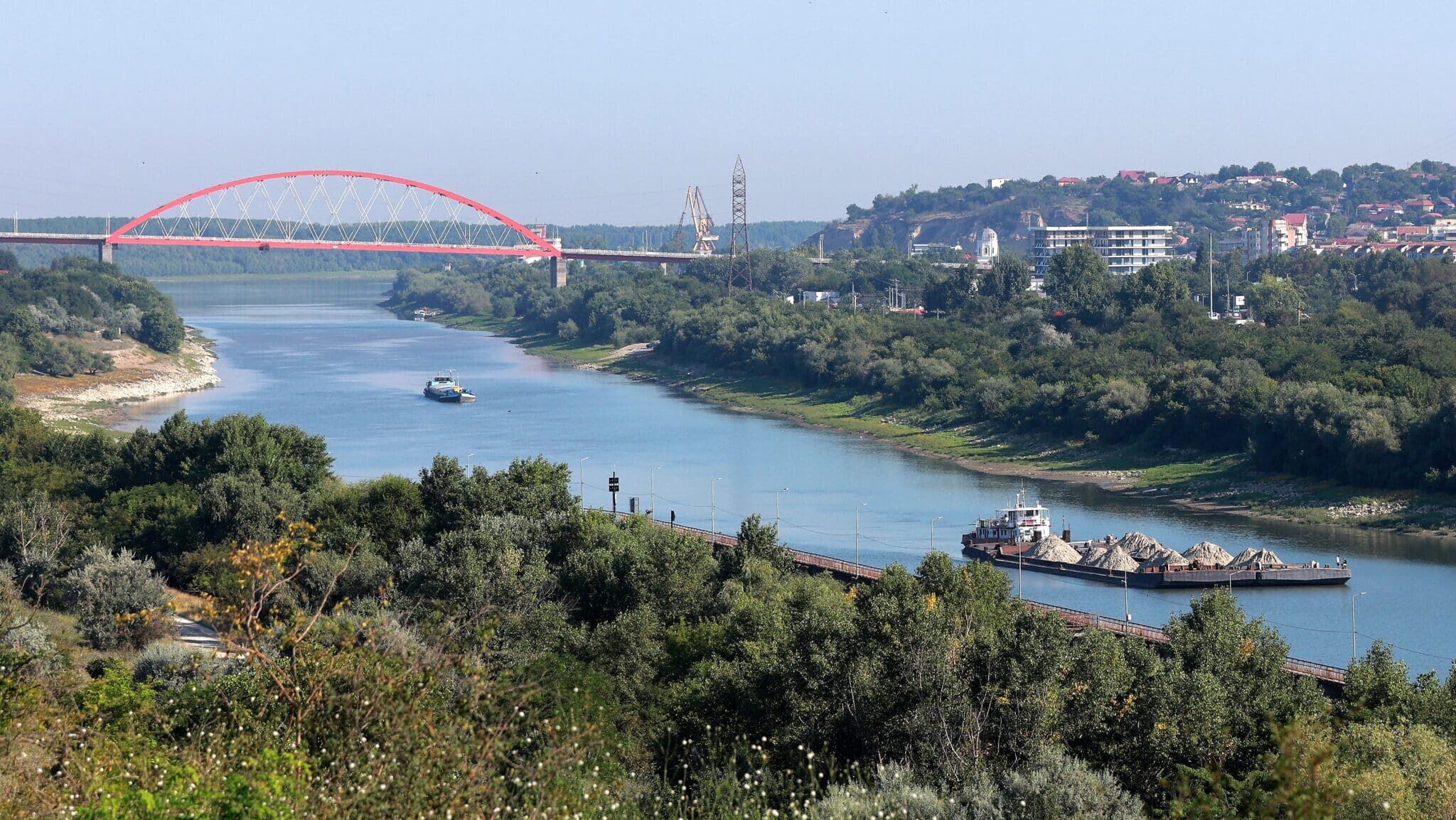
River vessels transporting goods pass the Cernavoda Bridge while traveling along the Danube Black Sea Canal in Romania, 5 August 2026. Photo: EPA/ROBERT GHEMENT. Romania shut down its last operating nuclear unit on Thursday as record-low Danube water levels threatened the cooling system at the Cernavoda nuclear power plant, adding to concerns over electricity supplies during a prolonged heatwave. The shutdown leaves both reactors at the country’s sole nuclear plan offline. Cernavoda normally accounts for about 20 per cent of Romania’s electricity production. Officials say the closure will not significantly affect Romania’s energy situation. “Shutting down the last reactor is a controlled process that will only last about 10 days … during this time, Romania will have the resources to cover the energy deficit in the grid,” Romeo Urjan, director of the Cernavoda plant, said. The Energy Ministry in a statement said higher wind power production is expected, while a coal-fired power unit is also due to restart. Authorities are also preparing to increase electricity imports, mainly from neighbouring Bulgaria and Ukraine, to maintain supplies and avoid disruption, as demand remains high in the extreme temperatures. The government has already urged households and businesses to reduce electricity consumption during peak evening hours until the end of the month, to ease the pressure on the power system during the ongoing heatwave. More than 80 large industrial consumers have either reduced production or scheduled maintenance to cut electricity use, while restrictions have also been imposed on water use for agricultural irrigation. The exceptionally low Danube levels have affected river transport, tourism and the energy sector. The government declared a nationwide energy alert on July 31, which will remain in force throughout August. The energy crisis has also fuelled a surge in conspiracy theories and fears that Romania could face a nationwide blackout. Energy experts, however, doubt such a scenario. “People have no reason to fear; they will not be left without electricity. Romania will resort to imports when necessary … though these will be more expensive because all countries in the region need electricity during the same evening peak hours,” energy analyst Corina Murafa said. Murafa warned that higher electricity costs for consumers could be a likely consequence of the situation, as Romania relies more heavily on imports while domestic nuclear generation remains suspended. While the shutdown at Cernavoda is not expected to last long, continued heat and low Danube levels could keep pressure on the country’s energy system for some weeks.
Romania Shuts Nuclear Reactor on Danube as Power Crisis Deepens
Full Article
Original Source
Read the full article at Balkaninsight →KhanList aggregates and links to publicly available news content. We do not host full articles from third-party sources. Always verify important information with original sources.