
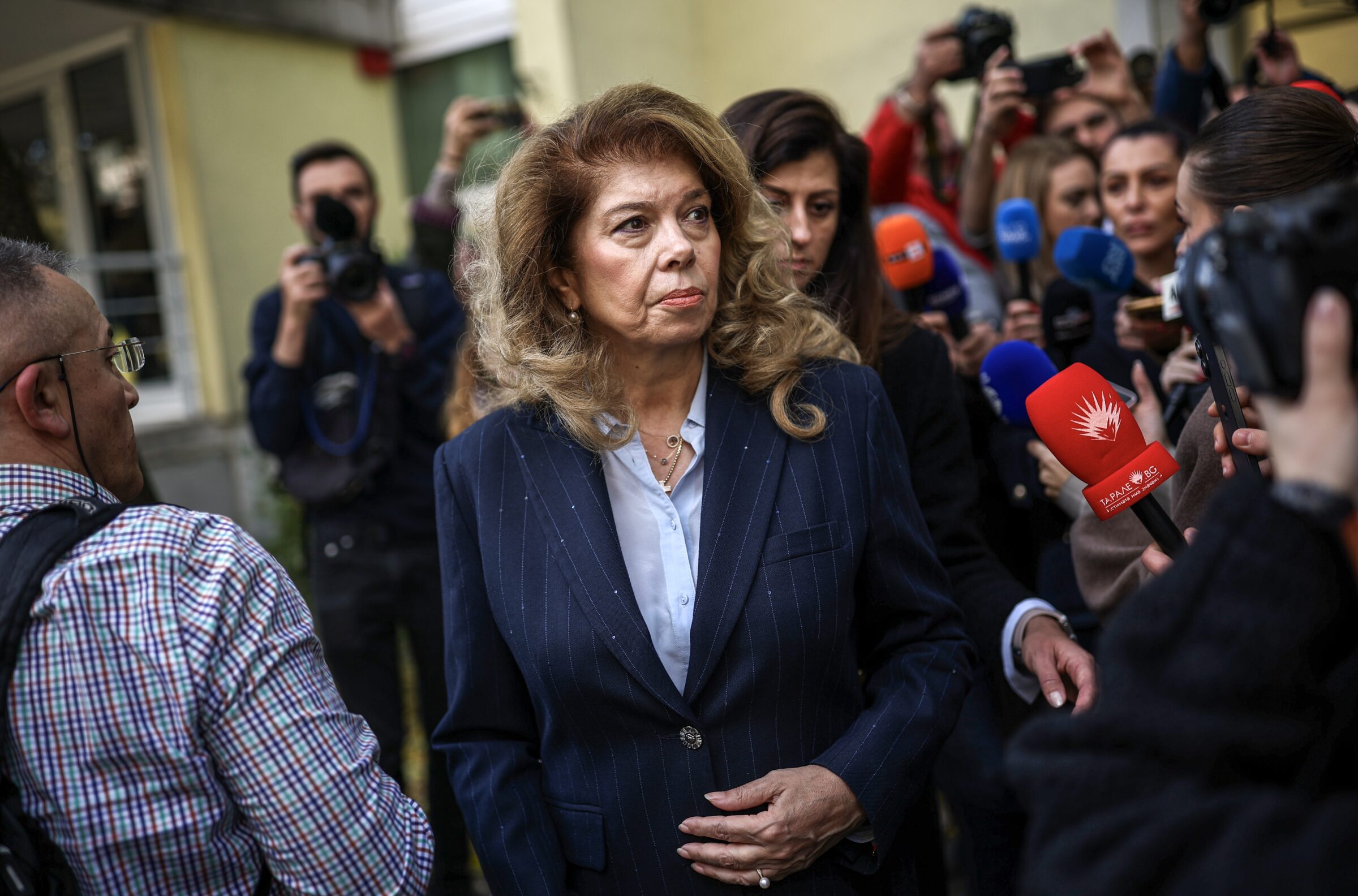
Bulgaria’s Iliana Iotova’s presidential run-off win came after an election fraught with heavy policing of Roma voters and warning signs for the country’s media ecosystem. Her victory in Sunday’s poll has strengthened Bulgaria’s pro-Russian stance, building on the success of Rumen Radev’s Progressive Bulgaria party in the April 2026 parliamentary elections, analysts say. Bulgarian Socialist Party candidate Iotova won 57.6 percent of votes against pro-European independent Andrey Gyurov’s 39.5 percent in Bulgaria’s presidential election run-off. She first became president in January when her predecessor Radev successfully ran for prime minister in a snap election. Roma ‘intimidation’ amid low turn-out Iotova won the Bulgarian presidency with the lowest number of votes of a presidential election winner in decades. “There are many voters who abstain from voting, because they don’t see any of the promises of Progressive Bulgaria being fulfilled,” Vesselin Zhelev, the Brussels correspondent for the media outlet Club Z, told EUobserver. “Many Radev supporters have become disappointed that he didn't do good on his promises to fight inflation or to take meaningful steps against corruption and oligarchy or for judicial reform,” he added. And turnout among Roma people, an ethnic minority of up to 10 percent of Bulgaria's population, also hit record lows amid reports of police intimidation of the community at polling stations. Adela Militaru, programme director at the Barcelona-based political foundation Roma for Democracy, said candidates’ lack of an agenda for Roma people is “politically dumb”. As a result, she said, Roma voters have “unseen” abstention rates. Militaru's organisation described police being stationed outside polling stations in Roma neighbourhoods, and counted 175 to 180 police raids in voting locations during the first round of the presidential election. The reports come amid a history of vote-buying in the country and antigypsyism across Europe. Militaru said the police raids “intimidate voters” and “stigmatise the Roma rather than dismantling broker networks operating on the ground”. She added that Bulgarian politicians have not made visible attempts to garner support from the Roma community: “The Roma vote can actually be won by anyone who wants to compete for it.” “The current political offer remains extremely limited towards Roma voters. Future political offers should include housing and land, education and employment, support for Roma entrepreneurship, culture and identity,” Militaru also said. ‘Alarm bells’ raised for media Iotova was a TV news chief before entering politics, serving a seven-year stint as a member of the European Parliament. Her vice-president Kiril Valchev is stepping down as head of the National Telegraph Agency. Teodora Yovcheva, a political scholar at Sofia University, told EUobserver she is worried that ties between the government and media could be influencing press freedom.
Roma ‘intimidation’ in Bulgarian presidentials as Iliana Iotova’s win raises alarm bells for press freedom
Full Article
Original Source
Read the full article at Euobserver →KhanList aggregates and links to publicly available news content. We do not host full articles from third-party sources. Always verify important information with original sources.