
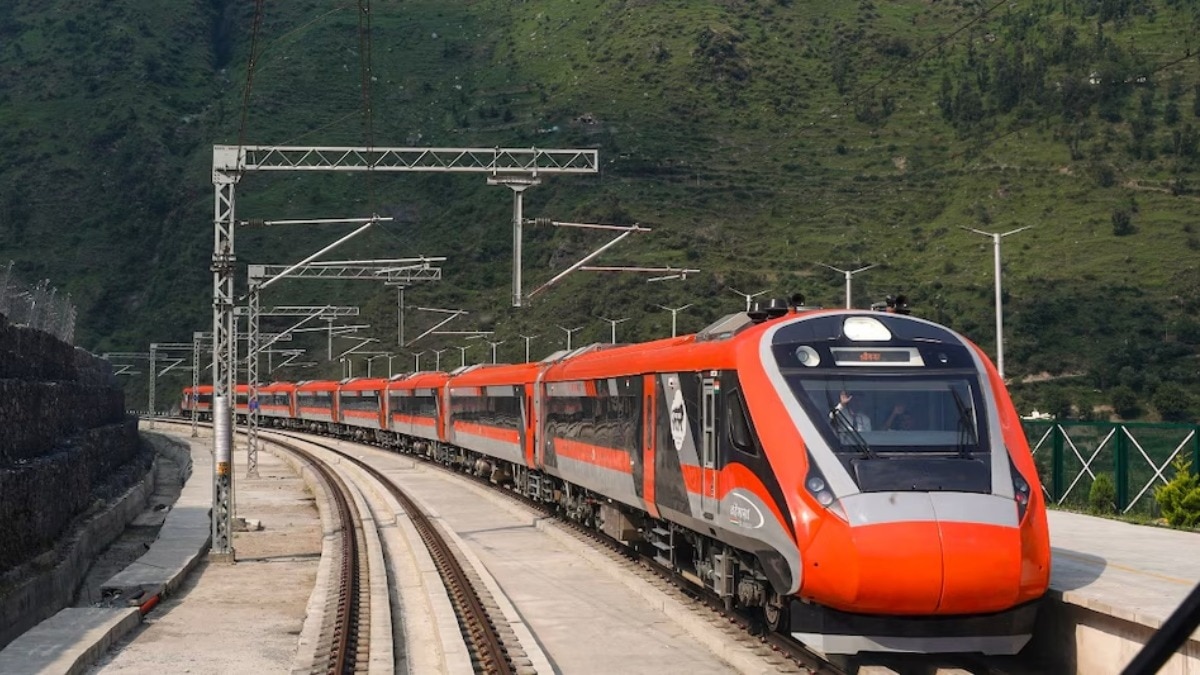
Indian Railways’ 125-kilometre Rishikesh-Karnaprayag railway line is set to improve connectivity to Uttarakhand’s Garhwal region, make access to the prominent pilgrimage destinations of Kedarnath and Badrinath easier and strengthen the transport network in areas closer to the India-China border.The ambitious project, being built through the geologically challenging Himalayan terrain, combines complex engineering work with the objectives of promoting religious tourism, supporting regional development and improving strategic connectivity.The railway corridor will connect Rishikesh with Karnaprayag through 12 stations, extending rail infrastructure deeper into the Himalayan region.Once operational, it is expected to provide greater convenience to pilgrims and other travellers while creating opportunities for local businesses, employment and economic activity. Karnaprayag, the proposed terminal point of the line, is approximately 123 kilometres from the India-China border, according to project inputs.While the railway line does not directly connect to the international boundary, its location adds to the wider significance of infrastructure development in Uttarakhand’s strategically important Himalayan region. Railway Minister Ashwini Vaishnaw shared on social media a detailed video of the project.ENGINEERING CHALLENGES IN HIMALAYASConstructing the railway line through the Himalayas presents considerable technical challenges because of the region’s complex and evolving geological conditions.Unlike projects in plains or stable terrain, the alignment passes through areas with fractured rock formations, weak geological strata and water-bearing ground, increasing the risks associated with underground excavation.Around 83 per cent of the railway alignment is planned through tunnels. The project includes 28 main and escape tunnels, along with 57 major and minor bridges, highlighting the scale of engineering work required to establish the corridor.One of the key challenges is managing ground deformation during tunnelling. In weaker geological formations, the surrounding material can exert pressure on excavated sections and tunnel linings, a condition commonly known as squeezing ground.This can slow construction, require additional structural support and complicate the management of groundwater and slope stability.To address these risks, railway engineers undertook detailed geological investigations before deploying tunnel boring machines (TBMs).Selecting appropriate tunnelling methods is critical in such terrain, as equipment suited to one type of rock or geological formation may not perform equally well under different conditions.The project therefore requires a combination of specialised excavation techniques, ground-support systems and continuous monitoring to ensure construction safety and the long-term reliability of the railway infrastructure.STRATEGIC, ECONOMIC SIGNIFICANCEThe railway line is also expected to contribute to India's broader efforts to strengthen connectivity across its northern frontier regions.Difficult terrain, harsh weather and limited transport options can restrict movement in Himalayan areas, making reliable infrastructure important for civilian access and regional resilience.By extending rail connectivity from Rishikesh towards Karnaprayag, the project will improve access to interior parts of the Garhwal Himalayas and offer passengers a rail-based alternative for reaching the region from the plains.Better transport links can also facilitate the movement of workers, goods and essential supplies through the wider road-and-rail network.The Rishikesh-Karnaprayag railway line represents a major investment in Uttarakhand’s transport infrastructure, with benefits extending beyond passenger travel.As construction progresses, the focus will remain on overcoming geological challenges, maintaining safety standards and completing the corridor to improve access to the Himalayan region.Its eventual commissioning is expected to strengthen tourism, regional economic activity and the broader connectivity network in this strategically significant part of northern India.- Ends
Rishikesh-Karnaprayag rail line to boost religious tourism, strengthen border access
Full Article
Original Source
Read the full article at Indiatoday →KhanList aggregates and links to publicly available news content. We do not host full articles from third-party sources. Always verify important information with original sources.