
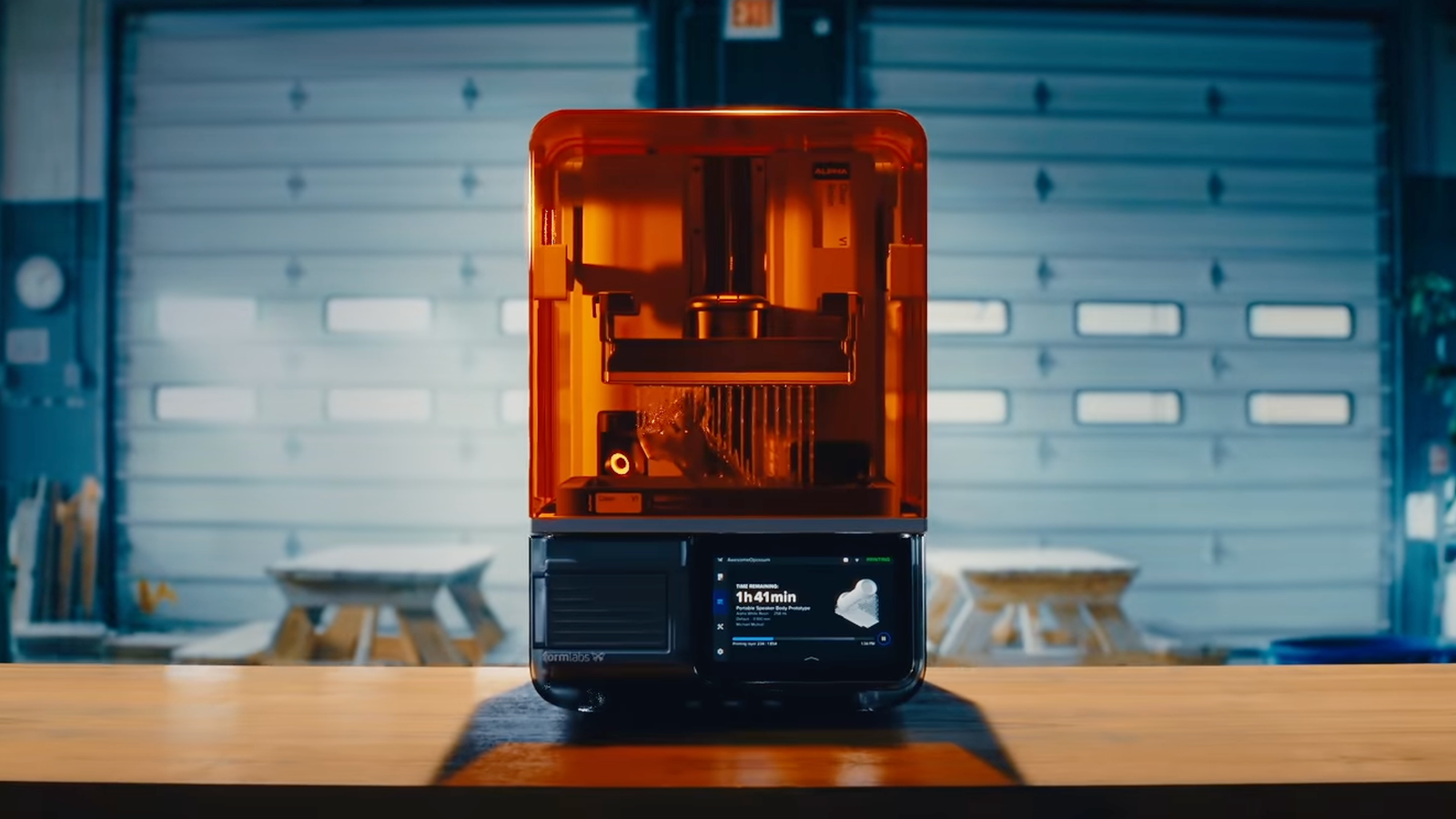
Published Nov 14, 2026, 10:01 AM EST Tim has been covering technology for almost 20 years, in that time spanning a broad range of topics from security to product reviews. He is especially focused on the Apple ecosystem, productivity, and consumer advice. Over the years Tim has written thousands of articles, reviews, and round-ups in addition to producing video content and original photography. A graduate of journalism, he found his footing as a freelancer with a laptop and loves how he is able to work from practically anywhere. Now a Senior Editor for iPhone, Mac, and Smart Home at How-To Geek, Tim still loves to write. He can also be found crafting round-ups and productivity posts for the Zapier blog. Earlier in his career Tim spent nearly a decade as a writer and eventually Apple section editor for MakeUseOf. Tim currently lives in Brisbane, Australia. Outside of work he loves to hike and work out, play video games, and spend quality time with his wonderful partner and two cats Inka and Roger. The consumer 3D printer market is dominated by filament deposition modeling (FDM) 3D printers that take spools of filament and turn them into objects by melting and reforming that material. Resin 3D printing works in a similar way, except objects are “grown” from a vat of liquid resin and hardened using light. Traditionally, this has been a messy, smelly, and dangerous process. But things might finally be changing. The problem with resin 3D printing (It’s the resin) Credit: Formlabs Stereolithography, or SLA for short, is a type of 3D printing in which light is used to create solid items from a vat of liquid. This is commonly known as resin 3D printing, and objects produced using this method need to be cured with UV light and washed in isopropyl alcohol before they can be deemed safe to use. As is the case with FDM printers, there are different types of resins available that offer different benefits and characteristics. One thing about liquid resin is that you really don’t want to be breathing it in. At best, it can smell very strong and irritate your skin and airways. At its worst, it’s cytotoxic, which means it can kill living cells. A lot of volatile organic compounds (VOCs) are released when the liquid is exposed to air, which can cause short-term irritation like headaches and sore throats or long-term issues like respiratory problems. If you get this material on your skin, it can cause burns and contact dermatitis. This means that you have to take a lot of care with resin printing. You need to wear personal protective equipment (PPE) to avoid getting resin on your skin or eyes. Masks and respirators are recommended, as is some means of venting the fumes from a resin printer outside. Some pets, like birds, can be especially sensitive to the fumes, which can lead to death. This is a shame, since resin printing usually offers higher resolution printing and fewer visible artifacts like layer lines, which are common in FDM printing. They’re perfect for creating detailed miniatures, keycaps, smooth objects that look close to their injection-molded counterparts, jewelry, and complex shapes that FDM printers can struggle with. Formlabs is changing the resin printing game Alpha resins and the Form Studio 1 Formlabs is a company that develops SLA and selective laser sintering (SLS) 3D printers, traditionally aimed at enthusiasts and professionals. The company recently launched two exciting new products that might convince you that it’s time to put a resin 3D printer on your desk. First is the company’s Alpha series of resins, which produce low levels of VOC emissions and are certified for long-term (over 30 days) skin contact once they’ve been post-processed with a cure and a wash. Even the liquid form of the resin is listed as a non-skin irritant, which is not the case with most materials of this type used in SLA printing. On top of this, Alpha resins also produce very little odor. Alongside Alpha resins, the company launched the Form Studio 1, an SLA 3D printer that is aimed at everyone from beginners through to keen hobbyists and small businesses. Starting at $699, the Studio 1 is a cheap and cheerful way to get into SLA 3D printing, with the Alpha line of resins perfectly complementing it. When using the Alpha resin material, a Form Studio 1, and the company’s VOC extractor, the whole operation is UL GREENGUARD Gold Certified, which is “an independent standard certifying low VOC emissions for homes, offices, schools, and other indoor environments.” Is now the right time to invest in a resin printer? Make sure you know what you’re getting yourself into Credit: Formlabs There’s more to resin printing than unpleasant odors and skin irritation, and there’s more to making your entry into the world of safe SLA printing than simply buying a $699 Form Studio 1 and a bottle of Alpha resin. You’ll also want that VOC extractor, some means of curing and washing, and plenty of isopropyl alcohol to boot. You’ll also need to make sure your 3D printing aspirations are compatible with resin. I can think of few better reasons than to build a tabletop army of miniatures, though there’s nothing stopping you from giving that a go on an FDM printer either. Resin prints are smoother and appear higher quality, but they’re usually less durable. If you want the toughest resin prints, you’re going to need to forego Alpha resin for the nastier stuff. It’s worth taking a moment to remind ourselves that FDM printing isn’t completely safe either. You shouldn’t share your bedroom with a 3D printer, though the most widely-used material (PLA) is widely considered safe. Engineering filaments like ABS and ASA are a different matter, releasing styrene gas that can cause short- and long-term health problems. Even so, FDM printers have long been considered easier to deal with. Crack a window, switch on your air purifier, and run a fan to air out the room during and after printing. Just Don’t stick your mouth directly over the printer’s outtake. The arrival of Alpha resins and the Studio 1 is a step towards safer resin printing at a reasonable price point. Just remember that resin’s rocky reputation is just one uncomfortable truth about 3D printing you should probably be aware of.
Resin 3D printing just got safer and easier to deal with
Full Article
Original Source
Read the full article at Howtogeek →KhanList aggregates and links to publicly available news content. We do not host full articles from third-party sources. Always verify important information with original sources.