
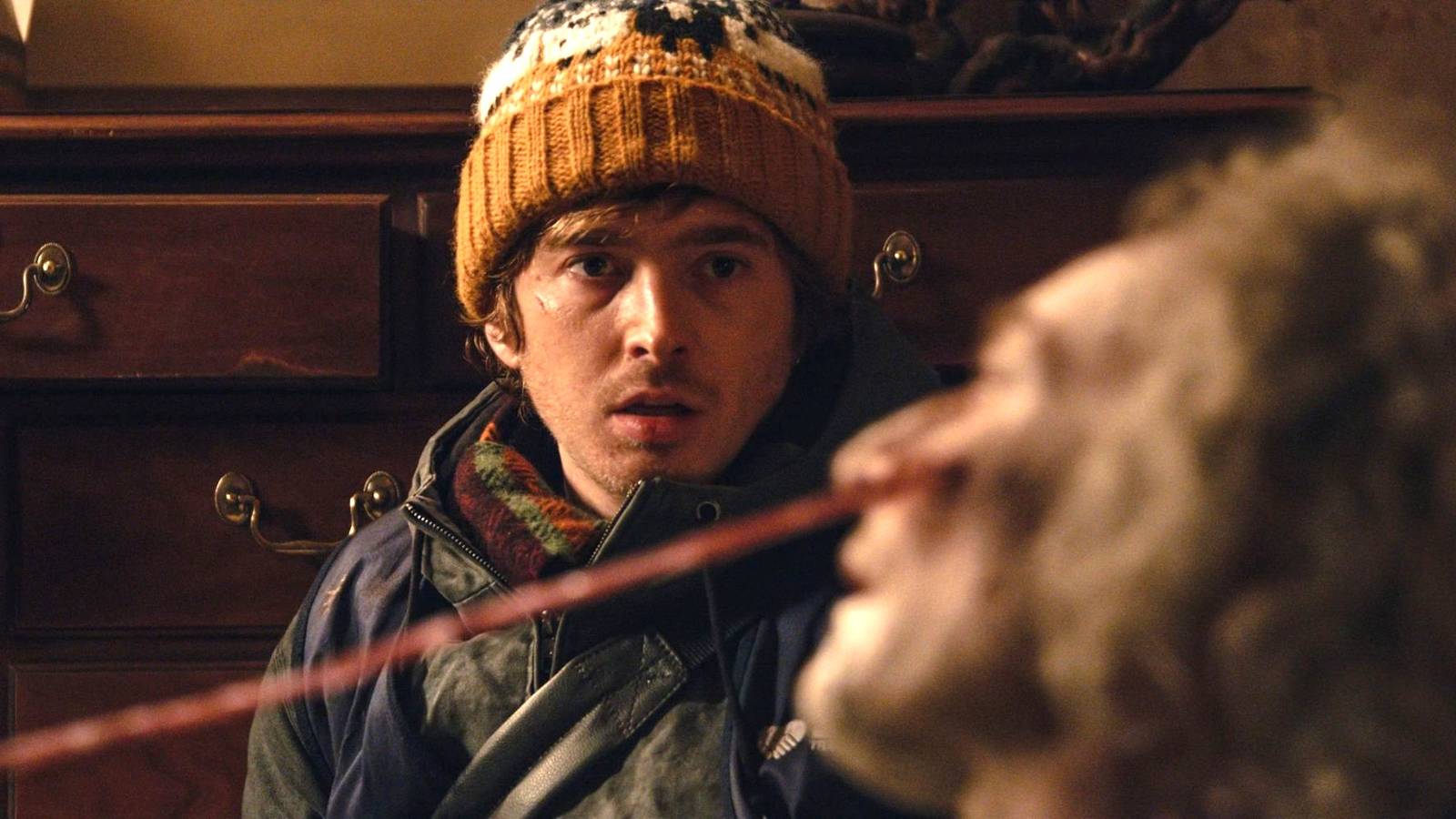
Published Sep 23, 2026, 9:03 PM EDT Mitchell Brown is a Wisconsin-based writer, film fanatic, and graduate of University of Wisconsin-Milwaukee who has written for various publications covering film analysis, reviews (both classic and contemporary), and movie news. He's also a screenwriter, having written multiple spec scripts. When he's not watching movies, writing movies, or writing about the films he's already seen...no, that about covers it. Editor's note: This post contains spoilers for Resident Evil and Obsession. Between the 95% Rotten Tomatoes score and the box office returns in its opening weekend, it's safe to say that the new Resident Evil is continuing Zach Cregger's winning streak of fantastic horror movies. Fans of the games are happy because they finally got a live-action adaptation that's faithful to the spirit of the series, general audiences are pleased because they got another great horror film, and everyone wins because we finally get Cronenbergian/Katamari Damacy-esque monsters on the big screen (it's good to know someone on the studio level has been reading my DMs). However, the one point of contention among audiences is the film's ending and the unsatisfying predicament it leaves Bryan (Austin Abrams) in. If you can't tell already, there are spoilers coming. The Art of a Bleak Ending Horror is one of the few genres where ending on a sour note doesn't feel like a betrayal on the movie's part. In some cases, that can actually help elevate it from great to really great, especially if it feels earned or appropriate to the tone of the rest of the movie (i.e. Se7en). In the best examples, there's usually a dark sense of irony to the ending as well, with probably the most famous example being Night of the Living Dead, where our main character survives an entire night fighting against a horde of zombies, only to be shot by morning thanks to human error and social bias. Even the recent Obsession did something similar with Nikki's fate. She finally gets set free from the wish, only to wake up and find all her friends dead, along with a Wolf of Wall Street-level orgy of evidence and witnesses who can testify that she's been mentally unstable. So she's definitely going to prison or a mental hospital for the rest of her life, and also probably has a concussion from the brick that she inexplicably found (no, seriously, where do you find a loose brick at three in the morning?). With horror movies, the characters are lucky if they make it out alive and, given what they went through, it's considered good enough. Probably the rarest end result of any horror movie is the characters make it out alive with some catharsis and grow as people (as was the case with Hokum). That's what makes Resident Evil's ending so maddening — at a certain point, it looks like that's the direction the film is going to take with Bryan. Bryan is the Key to All of This Generally speaking, horror movies aren't known for having super personable and likable lead characters, and that's what made Bryan such a surprise. He's not just a blank slate for audiences to project themselves onto. On top of Austin Abrams' great and hilarious performance—the guy's so good, he has amazing chemistry with a box—he also responds realistically to scary situations, makes mostly smart decisions (and is self-aware when he makes bad ones), and when put in a tough spot where other people are a concern, he doesn't act selfishly. His entire introduction to the film's zombies is hitting what he thinks is a pedestrian with his car on an icy country road, but instead of pulling a Dennis Hope in Almost Famous (deep-cut alert), he goes after her and tries to get her to a hospital. He even gives her his jacket because it's cold outside (like a gentleman). When you add in the knowledge that he's going to be a father, realizes that he wants to keep the baby and believes his girlfriend would make a great mom, the movie does almost too good of a job of getting the audience attached to him. So by the time he morphs into a monster and loses the antidote—making his entire adventure totally in vain—it feels too mean-spirited and dishonest to the rest of the story. Even the message he left for his girlfriend was a voice memo, so she's never going to know how he feels. It makes the whole wrap-up feel hollow and unfulfilling, especially after continually teasing like there's still a chance he might get the antidote from the cowardly researchers (it's the cinematic equivalent of trying to scratch a mosquito bite on your leg while wearing jeans). It feels like an ending that would be more appropriate as a comeuppance for an unlikable side character, or the alternate ending that would be included in the Blu-ray. Sort of like Jordan Peele's original ending for Get Out, which might've been more fitting in service of social satire, but Peele was wise enough to the act to know that after everything the character went through, the audience would want the hero to make it out of the film safely. Resident Evil's ending has gotten a mixed response from audiences, with some fans of the games appreciating its bleakness as a nod to what could've been the backstory to one of the monsters that players face off against. But for general audiences, having a main character lose the plot armor that's granted by being on the poster, and seeing him mutate into a monster and fail his mission, is a disappointing way to wrap up a movie. But ironically, it shows how good a job Zach Cregger and Austin Abrams did at creating a character who you want to see make it to the credits. And considering how audiences are responding to the movie as a whole, it wasn't enough to kill the goodwill the rest of the movie built up. Release Date September 18, 2026 Runtime 90 Minutes Director Zach Cregger Writers Shay Hatten, Zach Cregger Producers Asad Qizilbash, Carter Swan, Miri Yoon, Robert Kulzer, Roy Lee, Zach Cregger, David Minkowski Cast Franchise(s) Resident Evil
'Resident Evil' Changes the Franchise Formula in One Major Way
Full Article
Original Source
Read the full article at Collider →KhanList aggregates and links to publicly available news content. We do not host full articles from third-party sources. Always verify important information with original sources.