
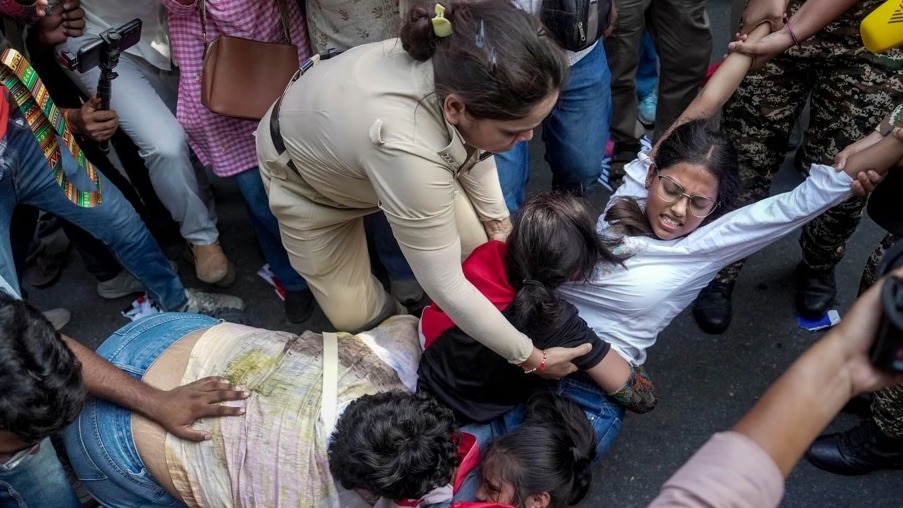
Social media influencers and Reel-makers cannot claim the same protection as professional journalists while filming protests, the Delhi Police has told the Supreme Court, arguing that carrying a camera and microphone does not automatically make someone a journalist.In an affidavit filed before the Supreme Court, the police said the purpose behind a person's activity should be a key factor in determining whether they are engaged in journalism or merely creating social media content for commercial gain. It argued that while journalists gather and report news, some content creators record events primarily to make Reels and videos for online platforms.The affidavit was filed in response to a batch of petitions alleging that journalists were harassed, obstructed and detained while covering protests in Delhi against Chief Election Commissioner Gyanesh Kumar over the Special Intensive Revision (SIR) of electoral rolls. The protests were organised by the Cockroach Janta Party (CJP).During earlier hearings, the Supreme Court had cautioned the Delhi Police against preventing journalists from covering the demonstrations, following complaints that media personnel were being stopped from performing their duties. In its latest response, the police maintained that it had never knowingly interfered with genuine journalistic work."The Delhi Police has, at no point, sought to obstruct, impede or interfere with the bona fide discharge of journalistic duties, whether during the protests in question or otherwise," the affidavit said. However, the affidavit argued that the court's earlier direction protecting journalists while covering protests was not intended to give social media influencers, Reel-makers or unruly protesters' exemption from police restrictions at prohibited assemblies."The said direction protects journalists in the discharge of their professional duties and does not... exempt the so-called reel-makers and social media influencers or unruly elements from the operation of the general law or from compliance with the lawful directions of the Law Enforcement Agencies at the site of a prohibited assembly," it stated.The police said some protesters carrying cameras and microphones had identified themselves as media personnel, making it difficult for officers to distinguish genuine reporters from content creators.It also clarified that formal accreditation or employment with a recognised media organisation was not a prerequisite for being considered a journalist. "Independent journalists, freelancers and citizens reporting through YouTube or other digital platforms are entitled to constitutional freedoms to gather and publish news," the police added.The affidavit, however, maintained that such freedoms do not exempt anyone from general laws or lawful police directions. It urged the court to consider the predominant intent behind an individual's activity while distinguishing between journalism and content creation."In the present era of evolving digital media, several individuals, whether creative or otherwise, make reels, upload them and commercially exploit the content created by them," the police said, adding that whether such Reel-makers could be accorded the status of journalists or reporters was yet to be determined.The Network of Women in Media, India (NWMI), and other media organisations had alleged that police personnel harassed journalists and obstructed their coverage of the protests.- Ends(with inputs from Bar and Bench)
Reel-makers can't claim immunity as journalists, Delhi Police tells Supreme Court
Full Article
Original Source
Read the full article at Indiatoday →KhanList aggregates and links to publicly available news content. We do not host full articles from third-party sources. Always verify important information with original sources.