
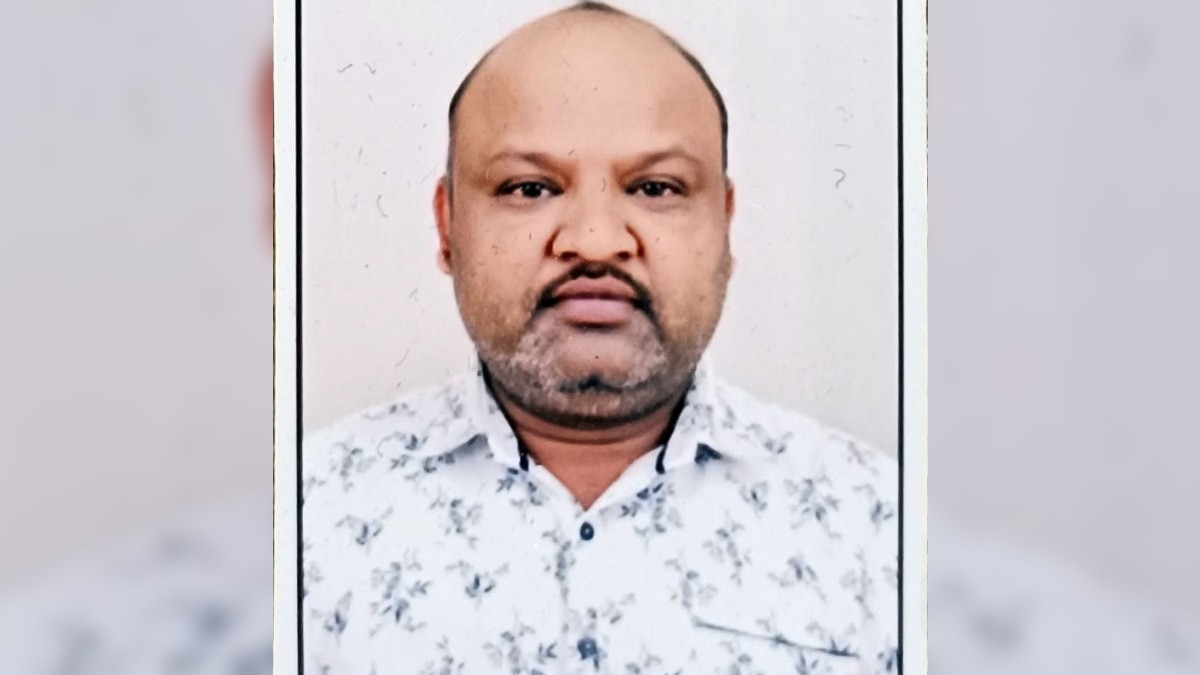
A retired Indian Railways employee in Dwarka was coerced into transferring Rs 30 lakh after fraudsters posing as ATS, NIA and RBI officials linked him to the 2025 Red Fort blast case. Police have arrested a Haryana man as the case adds to a run of digital arrest scams invoking terror investigations.The accused, Sunil Singla (pictured above), is linked to 7 other cyberfraud cases.A retired Indian Railways employee in Delhi’s Dwarka was duped of Rs 30 lakh after cyber fraudsters falsely linked him to the 2025 Red Fort blast case and threatened him with arrest.The Crime Branch’s AGS team in Dwarka has arrested Sunil Singla, a resident of Fatehabad, Haryana, in connection with the interstate cyber fraud syndicate involved in digital arrest, impersonation, intimidation and extortion.The case was registered on December 9, 2025, following a complaint by the retired railway employee. According to the police, he was contacted through phone calls and WhatsApp video calls by individuals posing as ATS, NIA and RBI officials.The fraudsters told him that he had been linked to a terror funding and money laundering case connected with the November 10, 2025 blast near Red Fort that claimed the lives of 15 people. They threatened him with arrest and subjected him to prolonged psychological intimidation to force him to transfer his money.The accused also sent forged documents, including purported confidentiality agreements, RBI confirmations and legalisation bonds, to make the threats appear genuine. The police said the retired employee was instructed to remain isolated and was continuously monitored through calls and video conferences.The fraudsters also forced him to disclose details of his bank accounts, fixed deposits and other assets before directing him to liquidate his funds and transfer the money to accounts controlled by the syndicate.Investigators found that of the Rs 30 lakh, Rs 15 lakh of the cheated amount had been transferred to a bank account in the name of Shri Balaji Tractor, which was operated by Singla.While Singla was previously arrested in another similar case, the bank account used to receive the victim’s money was also found to be linked to seven other cyber fraud cases.This is the latest in a series of cases in which cyber fraudsters have digitally arrested victims by falsely claiming they were linked to recent terrorism-related cases in the country.A few weeks ago, a retired Food Corporation of India employee and his wife in Lucknow were duped of Rs 42.09 lakh after cyber fraudsters threatened to implicate them in a case linked to the 2019 Pulwama terror attack.The 70-year-old man and his wife were kept under “digital arrest” for around 18 days through WhatsApp video calls. The fraudsters, posing as ATS, NIA and CBI officers, accessed details of their bank accounts, fixed deposits, post office savings and jewellery.Similar cases surfaced in quick succession late last year, with fraudsters invoking the 2025 Pahalgam terror attack to intimidate and extort victims.In September, a 76-year-old woman was duped of Rs 44 lakh after cybercriminals kept her under a so-called “digital arrest” for 23 days.The following month, a 75-year-old man in Mumbai was duped of Rs 70 lakh after fraudsters claimed his name had surfaced in the probe into the April 22 Pahalgam terror attack. Fearing imminent arrest, the elderly man transferred his life savings, only to discover that he had fallen victim to a digital arrest scam.In November 2025, cyber fraudsters posing as ATS officers allegedly held a Bhopal-based lawyer under "digital arrest” for three hours. The scammers falsely claimed that he was under investigation in connection with the Pahalgam attack.- EndsPublished By: Karishma Saurabh KalitaPublished On: Sep 2, 2026 10:41 IST
Red Fort blast case used as bait, Delhi man loses Rs 30 lakh in digital arrest
Full Article
Original Source
Read the full article at Indiatoday →KhanList aggregates and links to publicly available news content. We do not host full articles from third-party sources. Always verify important information with original sources.