
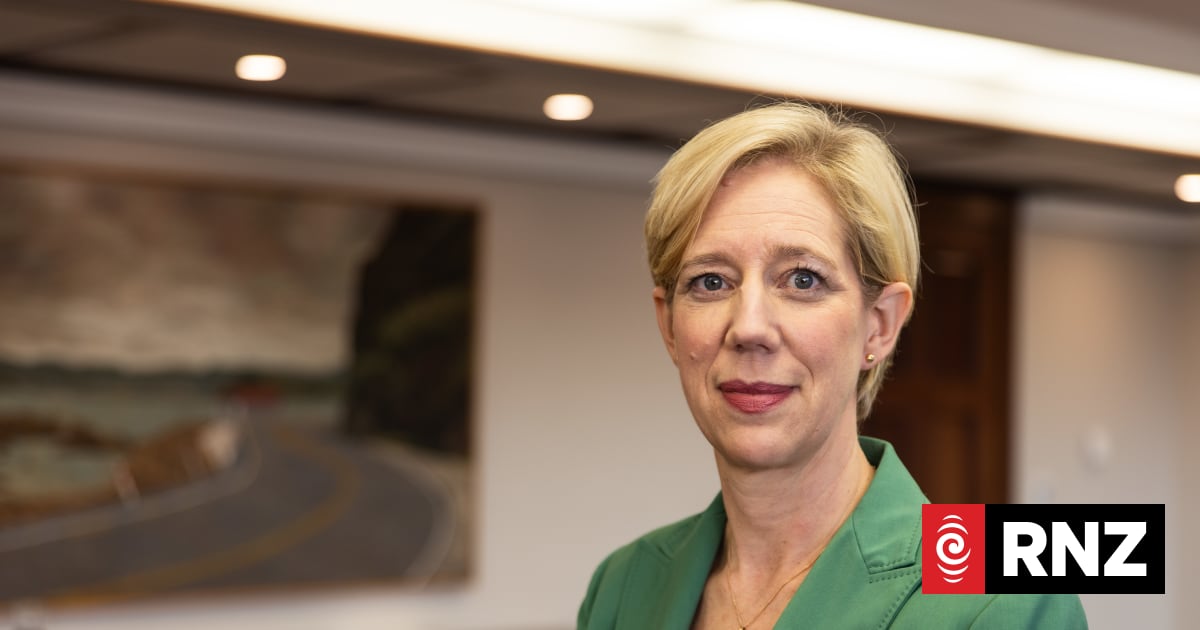
Reserve Bank set to raise official cash rate for third consecutive meeting by 25 basis points to 3 percentSurge in fuel prices, weak currency, stubborn core inflation make a pause riskyRecent slowing of inflation to 3.7 percent only temporary; to return above 4 pct next yearNearness of a rise to next week's general election not an issueA December rise currently 50-50, but further hikes to 3.5 pct expected next yearRBNZ statement due at 2pm, Governor's webcast at 3pmThe Reserve Bank (RBNZ) is set to raise its benchmark interest rate despite previously signalling a pause, as headline inflation has fallen, and just 10 days out from the general election.The RBNZ is expected to raise the official cash rate (OCR) by 25 basis points to 3.0 percent, the third consecutive rate rise and the highest OCR level in a year.BNZ senior economist Doug Steel said much has changed since the RBNZ's September decision."Oil prices are much higher, and the currency is materially lower than the Bank (RBNZ) assumed as it looks to get on top of stronger inflation."He said the latest inflation numbers for the year ended September, although better than expected, showed stubborn core inflation, with signs the headline rate would surge back to 4.5 percent."It all adds to near term inflation looking materially higher than the RBNZ projected along with increasing risk that inflation becomes persistent without action from the central bank," Steele said."It would be a material shock to markets if the RBNZ did not lift the OCR."Just do it!ASB senior economist Mark Smith expected the monetary policy committee (MPC) to take the path of least resistance and hike, possibly in a split decision, but the upside risks were too high to ignore.He said the timing of an OCR rise was unfortunate and might dampen economic activity and slow improvement in the labour market."The RBNZ in our view must address inflation risks as by not doing so it could end up with two problems, for example stagflation, rather than just a sluggish economy."Smith said the RBNZ would likely be signalling that the anti-inflation fight was not yet over and that further rate rises were possible, depending on data and events."The message from the RBNZ, will likely be that more work will need to be done to ensure inflation settles around 2 percent. It will not be one of mission accomplished just yet. It is relatively easy to forecast 2 percent inflation, but it is much harder to deliver it."More hikes comingANZ chief economist Sharon Zollner said the outlook for further rate moves was open and uncertain."We've lightly pencilled in a pause in December in deference to the fact that the RBNZ has long said that their plan is to get to around neutral and then assess how the various upside and downside risks are playing out."Three percent is a slightly more comfortable fence to sit on."Westpac chief economist Kelly Eckhold forecast increases in December and February next year, taking the OCR into the RBNZ's neutral zone at 3.5 percent.He said that would allow the RBNZ to be more gradual in assessing the effect of its hikes, and look at the state of the local and global economy, although he picked further hikes necessary in June and September to a high of 4 percent to make sure inflation was contained.One potential complication of an OCR rise is the political fallout just ahead of the 7 November election.Last month RBNZ Governor Anna Breman said the proximity of the decision to the election was not a factor."We focus on the mandate and the election does not come into that decision."'Let the economy recover'Kiwibank chief economist Jarrod Kerr argued against raising the OCR, and for leaving it as is until February."We need to let the economy recover before we worry about restraining it," he told Morning Report.He said the Reserve Bank was being "cautious" about second-round effects of keeping the rate flat, which he said he did not anticipate.He said inflationary pressures were from external factors such as the price of petrol and jet fuel, which were immediately passed on.But Kerr said if rates were to rise, the Bank should "just get it over and done with" as businesses needed more certainty."When they've given such great forward guidance, businesses start making decisions and we start seeing confidence lift and activity lift."
RBNZ set to raise benchmark interest rate despite previously signalled pause
Full Article
Original Source
Read the full article at Rnz →KhanList aggregates and links to publicly available news content. We do not host full articles from third-party sources. Always verify important information with original sources.