
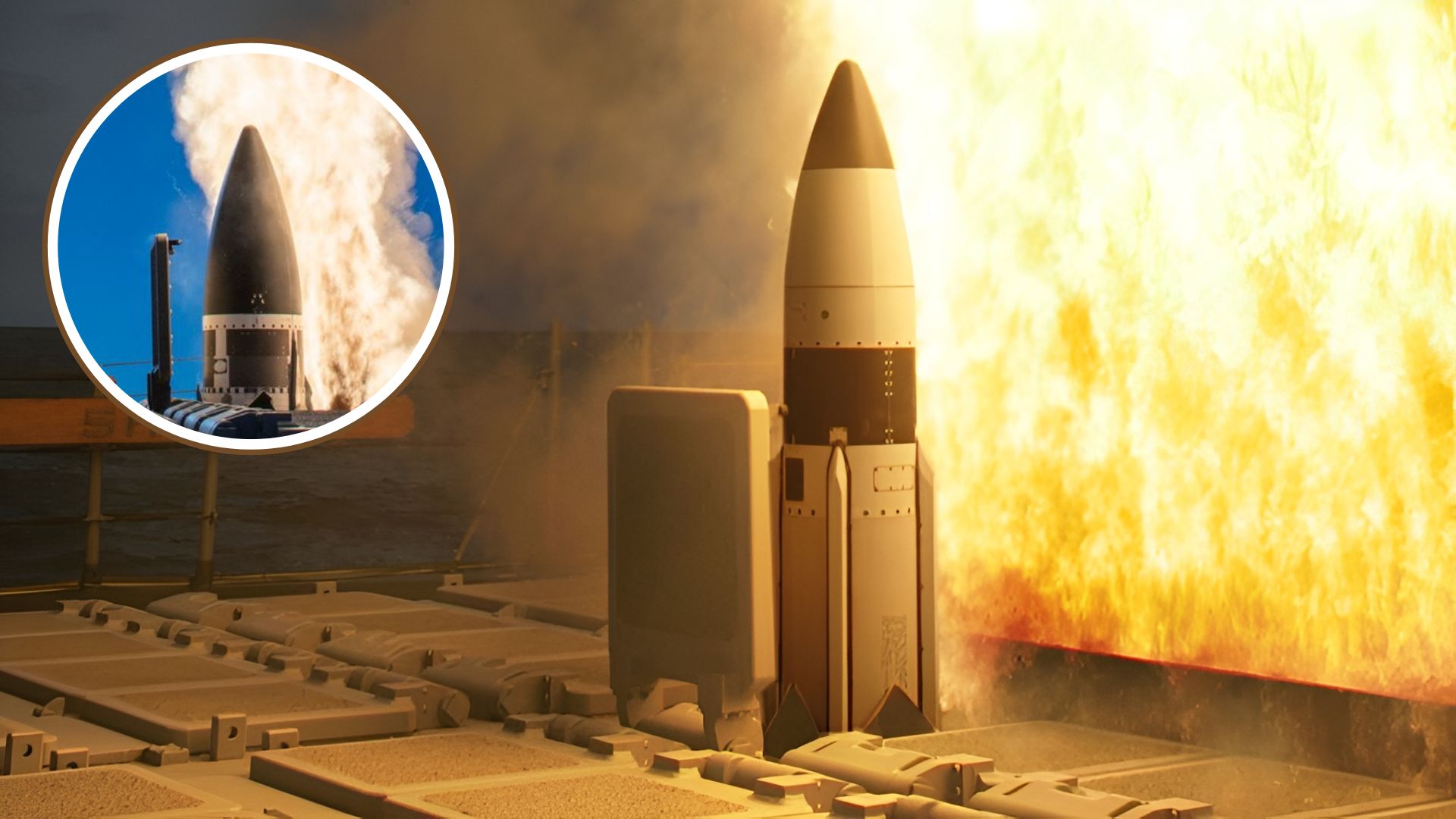
Raytheon has secured a $745 million U.S. defense contract to build and sustain SM-3 Block IIA interceptors. The award supports one of the Navy’s key missile-defense weapons. The Missile Defense Agency issued the contract to Raytheon, an RTX business, on August 10. Production will take place at facilities in Tucson, Arizona, and Huntsville, Alabama. The award arrives as Washington expands missile-defense capacity against increasingly capable ballistic missile systems. SM-3 IIA interceptors form part of the U.S. and allied shield against threats across a broad range. Bigger interceptor production capacity SM-3 Block IIA targets short- and intermediate-range ballistic missiles during flight. The interceptor uses kinetic energy to destroy incoming threats without carrying a conventional explosive warhead. Raytheon developed the weapon through a joint effort with Japanese industry. Japan’s involvement gives the program an important allied dimension within the broader U.S. missile-defense network. The Block IIA variant also brings more power than earlier versions. Its larger rocket motor helps the interceptor reach threats faster. An upgraded kinetic warhead expands its ability to engage incoming missiles. The combination gives defense planners greater coverage against ballistic missile attacks. Raytheon also expects its manufacturing investments to support faster deliveries. The company has spent heavily on facilities and production processes across its missile business. Alabama facility major upgrade One major investment is taking place in Huntsville, Alabama. RTX recently committed $115 million to expand its missile integration facility there. The upgrade should raise the site’s integration and delivery capacity by more than 50%. That increase could help Raytheon handle larger interceptor orders as demand grows. Tucson will also play a central role in fulfilling the new award. Raytheon’s Arizona operations have long supported production across its missile portfolio. The added capacity matters beyond a single weapons program. U.S. defense planners increasingly face pressure to produce interceptors at a faster pace. Missile-defense systems also depend on sustained inventories. Interceptors can take years to develop and manufacture, making production capacity a strategic concern. That manufacturing base also supports the broader readiness of U.S. missile-defense forces. Faster integration can shorten the path from production lines to operational inventories. U.S. allies gain stronger coverage SM-3 IIA gives the United States another layer of protection against ballistic missile threats. The system also strengthens cooperation between Washington and Tokyo. Japan has worked with the United States on the interceptor’s development for years. That partnership has helped shape the weapon’s capabilities and production base. Raytheon Naval Power President Barbara Borgonovi said the interceptor provides greater reach and accuracy. She also pointed to recent investments that have increased production capacity. The $745 million award therefore covers more than missile deliveries. It supports the manufacturing and sustainment work needed to keep the interceptor force ready. For the United States, that readiness has become increasingly important. Ballistic missile programs continue to evolve across multiple regions. SM-3 IIA gives U.S. forces and allied militaries a faster and more capable response option. Expanding production could help ensure those interceptors remain available when needed.Recommended ArticlesGet the latest in engineering, tech, space & science - delivered daily to your inbox.Aamir is a seasoned tech journalist with experience at Exhibit Magazine, Republic World, and PR Newswire. With a deep love for all things tech and science, he has spent years decoding the latest innovations and exploring how they shape industries, lifestyles, and the future of humanity.
Raytheon secures $745M US deal to expand SM-3 IIA ballistic missile interceptors
Full Article
Original Source
Read the full article at Interestingengineering →KhanList aggregates and links to publicly available news content. We do not host full articles from third-party sources. Always verify important information with original sources.