
Another component is to re-enter the nuclear fuel production industry. Minister of Electricity and Energy Dr Kgosientsho Ramokgopa will publish a motivation for additional nuclear power reactors “based on science” before the end of this month, in an attempt to neutralise opposition at an early stage. Ramokgopa made the announcement on Tuesday (10 November) at a government-hosted conference on nuclear power and clean energy in Pretoria, held under the theme ‘From Policy to Implementation’. The public will have 60 days to comment on the document, after which the department will process the submissions and embark on a roadshow to provide feedback to communities. This will pave the way for Ramokgopa to issue, by June next year, a ministerial determination for the procurement of 5 200MW of new nuclear reactors, with the concurrence of energy regulator Nersa and the minister of finance. This would be almost three times the size of Koeberg. Where new reactors could go The reactors are expected to be built either next to Koeberg or at Thyspunt, near Jeffreys Bay. Eskom is still in the process of obtaining environmental authorisation for the Thyspunt site. The determination Ramokgopa intends issuing is a legal requirement before the formal procurement process can begin. This process will involve appointing technology partners and undertaking construction work. This is the first phase of a programme that ultimately envisages 10 000MW of new nuclear power capacity. According to Ramokgopa, this would give South Africa the economies of scale needed to establish a local supply chain for manufacturing nuclear plant components, potentially creating numerous jobs. He stressed that the public participation process, which is due to begin this month, is not a legal requirement. However: “South Africa is a litigious society. Opponents of nuclear power will try to do so, but if we provide a case based on science, I am confident we will prevail.” This cautious approach would make it easier for judges to resolve any disputes that might come before them, he added. There are currently 417 nuclear reactors operating worldwide, with another 78 under construction, Ramokgopa said. South Africa could therefore draw on the experience of other countries. He emphasised that any nuclear reactors built in the country would fall under the supervision of the National Nuclear Regulator and would be owned and operated by Eskom. “There is no room for privatisation.” Second chance for SMRs There is, however, a place for small modular reactors (SMRs) in South Africa’s energy future, Ramokgopa said, expressing regret over the cancellation of the country’s pebble-bed modular reactor programme about 16 years ago. His comments come amid an announcement by the US Nuclear Regulatory Commission that it has granted a construction permit to X-energy, in which South African venture capitalist André Pienaar has an interest, and its client, chemical giant Dow, to build four Xe-100 SMRs at Dow’s site in Long Mott, Texas. A number of South Africans who worked on the pebble-bed programme are involved in the X-energy project. So far, only China and Russia have commissioned SMRs, said Loyiso Tyabashe, CEO of the South African Nuclear Energy Corporation (Necsa). However, several teams in the US and other countries are racing to develop the technology and secure a share of what could become a lucrative market. Ramokgopa said South Africa must learn from the pebble-bed programme and recognise that success can only be achieved through patience. Restarting nuclear fuel production The third component of the country’s nuclear programme is to re-enter the nuclear fuel production industry, he said. The aim is to make use of SA’s strategic mineral resources, including uranium and thorium. However, the country will need to invest in exploration, he emphasised. Cabinet has already approved the procurement of a new multipurpose reactor, which will be operated at Necsa’s facility at Pelindaba, outside Pretoria. Meanwhile, the National Radioactive Waste Disposal Institute (NRWDI) is spending billions of rands expanding its Vaalputs site in the Northern Cape, where nuclear waste will be stored. Ramokgopa challenged the nuclear industry to communicate its successes and share scientific literature to support its claims. “This is how we will ensure that ordinary people understand and are not taken in by opportunists,” he said. Necsa’s nuclear ambitions Tyabashe said Necsa intends using the proposed multipurpose reactor to generate electricity, provide heat for industry and produce isotopes for medical applications. South Africa remains one of the world leaders in this field of medicine. Necsa’s objectives for the next two years include approaching the market to identify potential partners for the development of the multipurpose reactor, building a demonstration model of a small modular nuclear reactor, and preparing a facility for the resumption of nuclear fuel manufacturing, which was discontinued in the 1990s. This article was republished from Moneyweb. Read the original here.
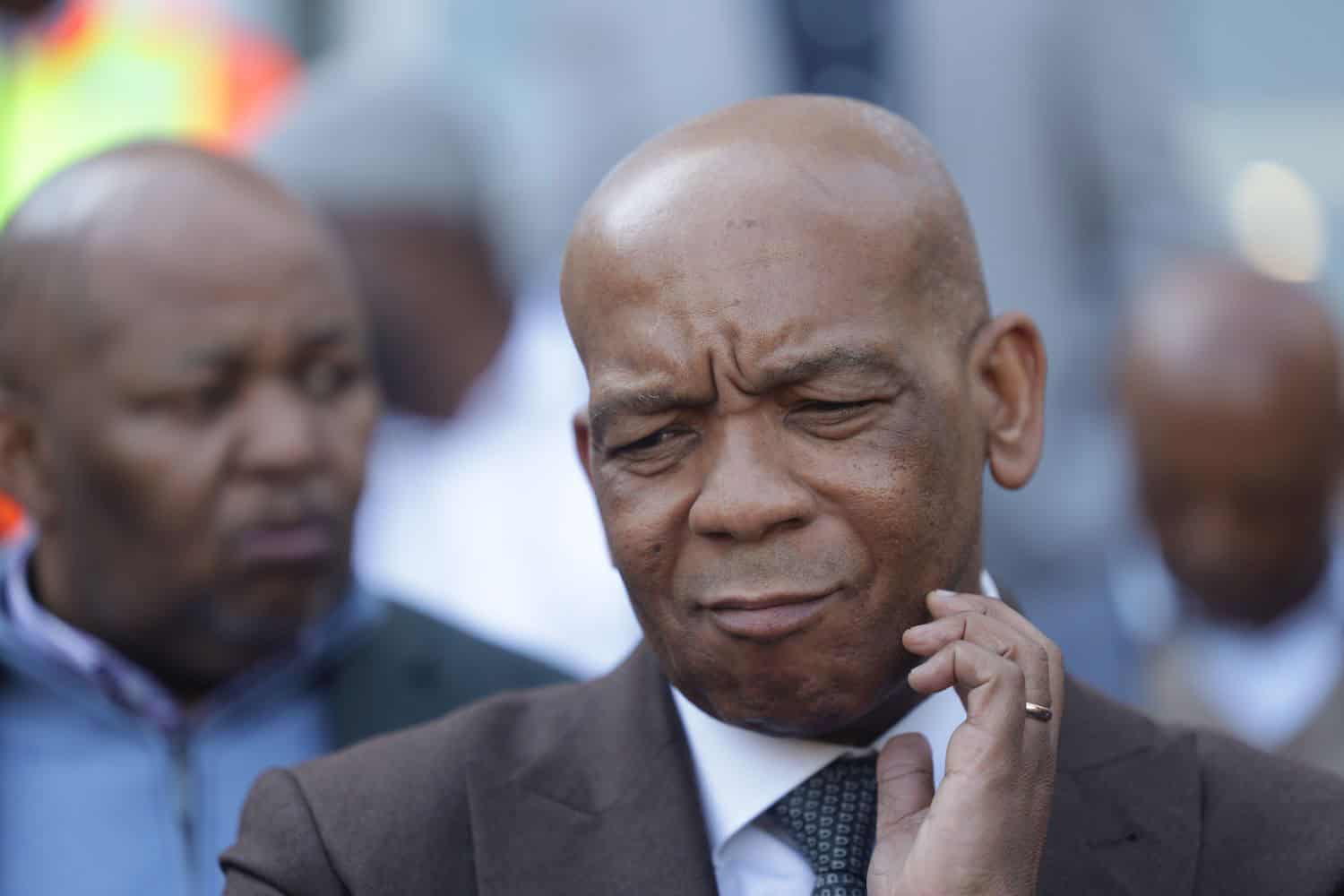
Ramokgopa to publish science-based case for new nuclear reactors
Full Article
Original Source
Read the full article at Citizen →KhanList aggregates and links to publicly available news content. We do not host full articles from third-party sources. Always verify important information with original sources.