
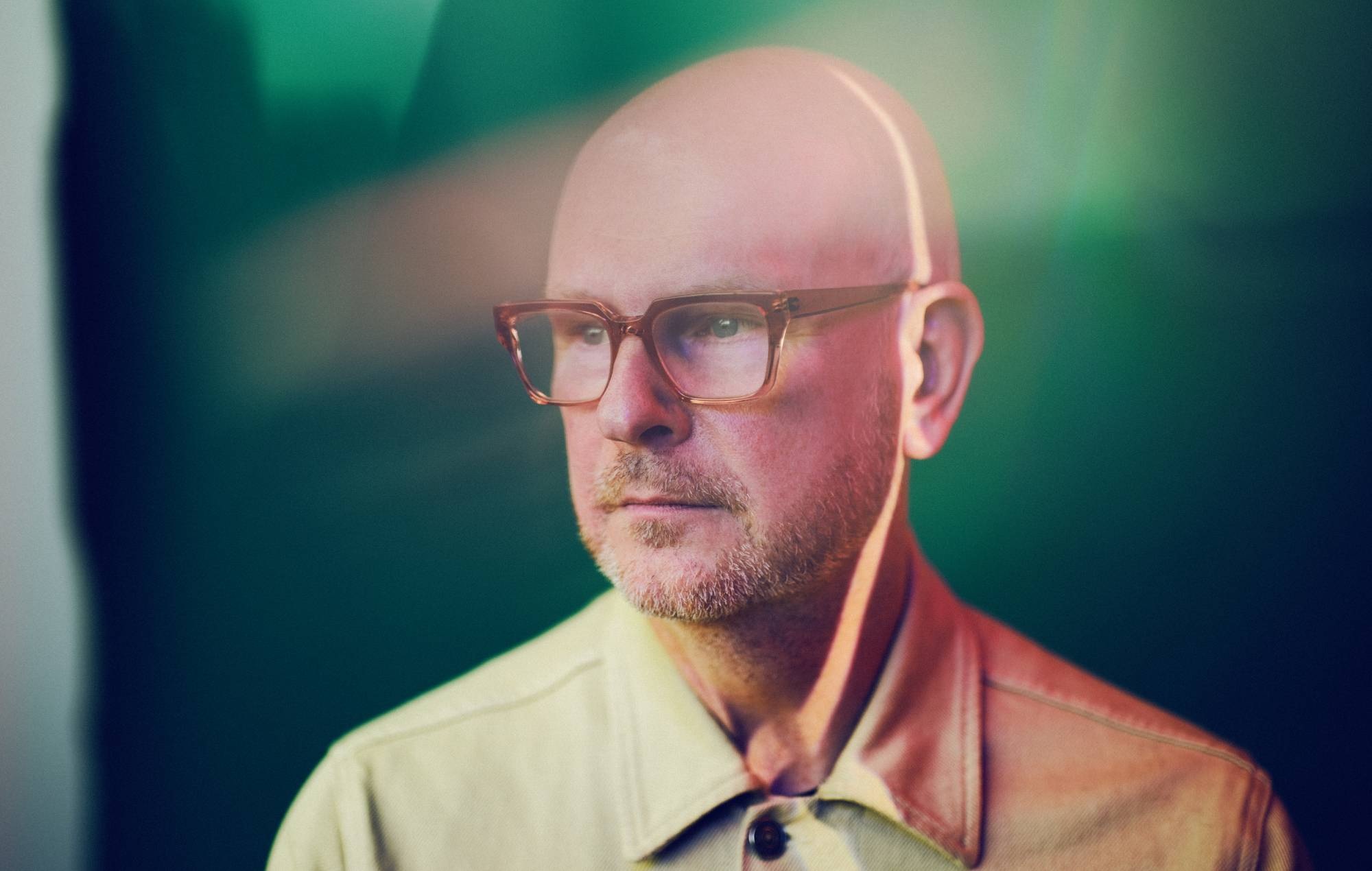
Radiohead‘s Philip Selway, Live Nation and more have backed a new mental health touring scheme. READ MORE: Radiohead live in London review: a generous and visceral hit parade (of sorts) Entitled the Pay It Forward Fund set up by the Music Industry Therapy Collective (MITC), the scheme aims to make specialist mental health support accessible for artists and crew on small and mid-scale tours. With touring professionals at “an elevated risk of stress, anxiety and burnout, as well as clinical depression and suicidality”, a press release states “that a growing number of larger tours now provide welfare or pastoral support as part of the production”. It added: “On smaller tours, those pressures can be compounded by tighter budgets, leaner teams and more challenging work and travel conditions. However, these teams rarely have the budget to offer people the same resources or opportunities to talk, reflect and reset.” The new scheme offers confidential conversations with qualified mental health practitioners who understand the realities of music and touring available online around the clock in several languages. Tour Check-Ins can also be used by any member of the touring team to decompress after a difficult day, think through a decision, talk about work or relationships, deal with tension in the team, reflect upon coping habits, or plan what comes next. Also included is a 90 minute occupational health consultation with MITC’s Touring Welfare Officer Sascha Heeney (who supported Dua Lipa’s ‘Radical Optimism’ tour team), healthy touring workshops, resources to support performance, communication and collaboration, and access to MITC’s audiobook ‘Touring and Mental Health: The Music Industry Manual’.Recommended Contributors to the fund include the likes of Selway, Live Nation, AEG International and Live Free 999 – the charity foundation set up by Carmela Wallace, mother of the late musician Juice WRLD. The rapper, real name Jarad Anthony Higgins, passed away in 2019 after an overdose. “Over the years, I’ve found that the reality of touring can sometimes feel at odds with the dream of it. Yes, it can undoubtedly be full of excitement, wonder, camaraderie and tantalising rewards, but it can also be an unstable and overwhelming environment to live and work in,” Selway said. “It’s one that can heighten a sense of emotional and geographical displacement, leading to exhaustion, isolation and self-destructive behaviours. On Radiohead’s European tour last autumn, we had a support network in place, offering confidential access to the therapists of MITC. Even though we’re a cohesive, well-resourced and very experienced touring party, we knew that you can still never completely guard against the trip hazards of touring.” He added: “Knowing that this support was there was hugely reassuring. I also know that the pressures and demands of touring can be more keenly felt by acts and set-ups which have fewer resources, so I’m delighted to be able to invest in Pay It Forward to ensure that this essential support can be offered more widely.” Tamsin Embleton, founder of MITC, said that the Pay It Forward Fund is “about making specialist support accessible to tours working within tight budgets”. She added: “It’s also about moving beyond the idea that support should only be sought when crisis hits. We want to help forward-thinking teams develop the skills to manage pressure, recognise when something is beginning to take a toll, and intervene effectively before things start to snowball.” Eligible artists, crew and tour teams can find out more and apply here for the scheme. The MITC previously launched a 24-hour mental health support service for touring professionals working in music, including artists, production staff, promoters, venues and agents. Research from mental health charity Mind has shown that people working in the music industry are “more prone to mental health problems than the general population”, with “musicians being up to three times more likely to suffer from depression”. Financial pressures, isolation, lifestyle, hectic schedules and addiction are often named as factors. In 2023, NME spoke to a range of figures in the music industry about the “dangerous” impact that touring can have. For help, advice or more information regarding addiction in the UK, visit the FRANK website. In the US, visit SAMHSA. For further help and advice on mental health: “Am I depressed?” – Help and advice on mental health and what to do next MITC – A collective of musician industry therapists TONIC Rider – Bespoke training and support for music industry professionals Help Musicians UK – Around the clock mental health support and advice for musicians Music Support Org – Help and support for musicians struggling with alcoholism, addiction, or mental health issues YOUNG MINDS – The voice for young people’s health and wellbeing CALM – The Campaign Against Living Miserably The Samaritans – Confidential support 24 hours a day
Radiohead’s Philip Selway, Live Nation and more back new mental health touring scheme
Full Article
Original Source
Read the full article at Nme →KhanList aggregates and links to publicly available news content. We do not host full articles from third-party sources. Always verify important information with original sources.