
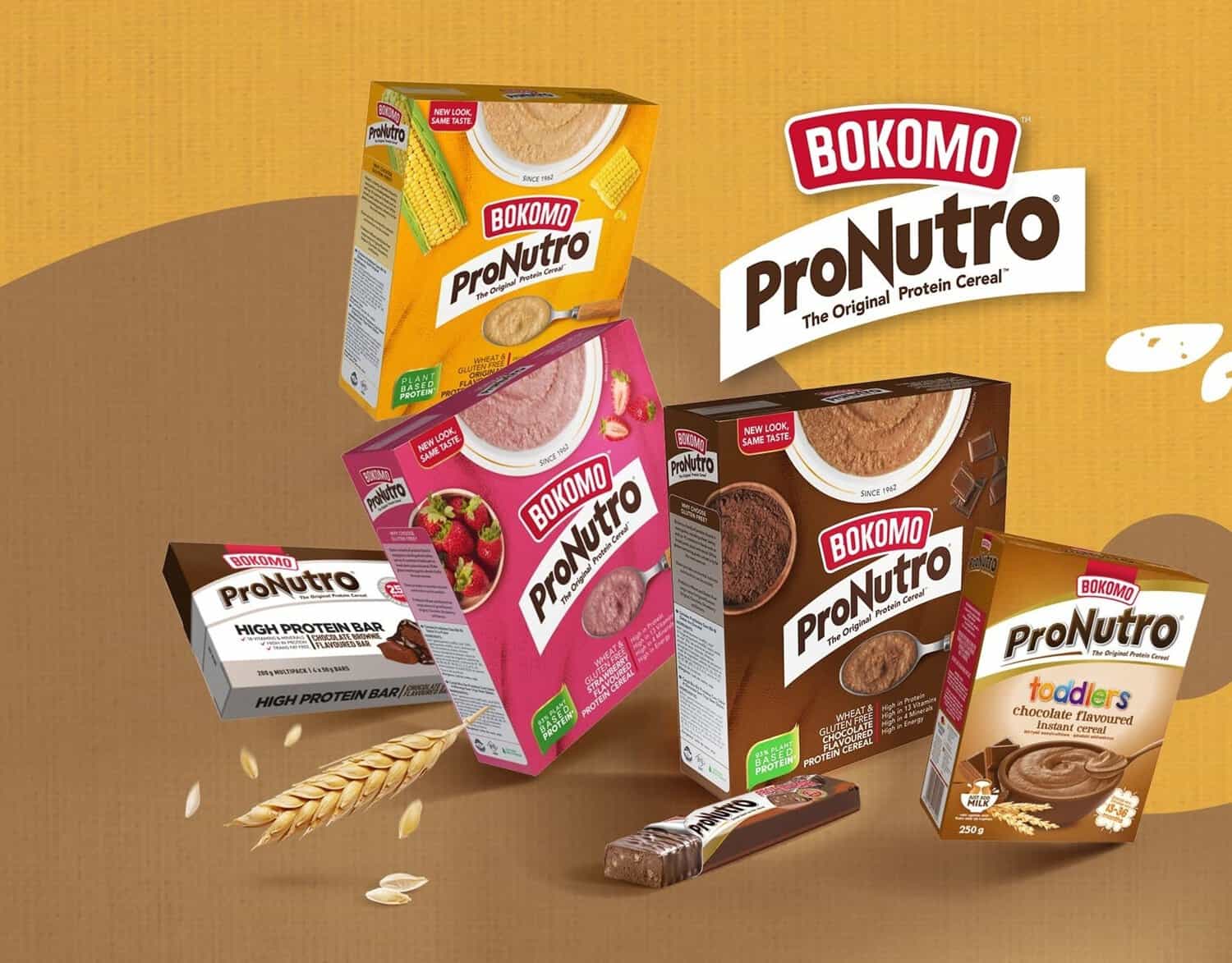
ProNutro was developed in 1962 as nutritional supplement to combat protein deficiency and became as South African as rusks. The day before Heritage Day, PepsiCo, the makers of ProNutro, announced they were killing the iconic South African brand. In terms of timing, it really was a signature statement. Samuel Johnson once described oats as “a grain, which in England is generally given to horses, but in Scotland supports the people”. ProNutro was probably our variant. It was developed in 1962, as a special nutritional supplement to combat protein deficiency and malnutrition. Some people loved it, I didn’t. You could have it in its standard format or chocolate and, latterly, strawberry and vanilla. You could mix it with milk or depending on the time of the month, water. Too much liquid and it was gruel, too little and it felt like you could lay bricks with it, if you could swallow it. It was so ubiquitous that 40 years ago, conscripts derisively referred to their Pro Patria operational service medals which they received after 55 days in the operational area as “ProNutro” medals – a play on words and the fact that the medal was so easy to get that it was like the plastic toy you often got at the bottom of the cereal box. Last Thursday was Heritage Day, also known as Braai Day, but, in truth it, could just as easily have been dubbed ProNutro Day. ProNutro was as South African as rusks and biltong and, yes, as emblematic as beers and boerewors on the braai and Bokke on the TV. Maybe the answer is for a South African entrepreneur to step in and pay a symbolic fee for the original recipe from the suits in the boardroom and the right to keep producing it. We’ve certainly got enough people needing protection from protein deficiency and potential malnutrition who would benefit. There are also, if social media is any barometer, enough people who loved it to keep on supporting it and make its production viable. There’s a precedent, too: the Anchovette fish paste spread debacle in 2021 which was brought back by popular demand in 2023. It can’t be a coincidence that PepsiCo owned this brand, too. It was an expensive lesson in ignoring public sentiment, compounded by the fact that someone else could make the fish paste ubiquitous – and sustainable – once more. PepsiCo owns a whole range of other iconic South African products. We can only hope that the others won’t go the same way.
ProNutro axed before Heritage Day: A lesson on ignoring public
Full Article
Original Source
Read the full article at Citizen →KhanList aggregates and links to publicly available news content. We do not host full articles from third-party sources. Always verify important information with original sources.