
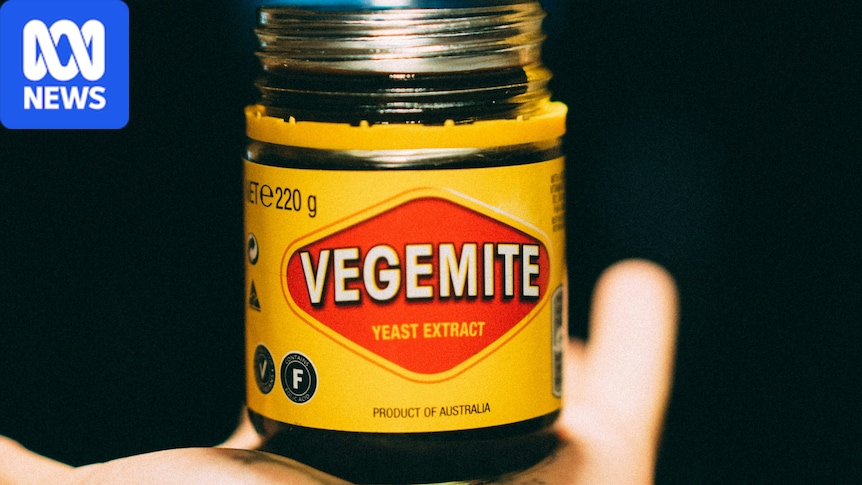
A convicted killer has lost a legal bid to overturn a ban on Vegemite in Victoria's prisons, in a case that made global headlines.Andre McKechnie, who is being housed in Barwon Prison, argued the ban on Vegemite was unlawful because it denied him his human right to enjoy Australian culture and because he needed it for his wellbeing.Vegemite has been banned in Victorian prisons since about 2006.During the case, Corrections Victoria argued it could be used to make alcohol and could impair sniffer dogs from detecting contraband.In a judgement released today, Supreme Court judge Claire Harris rejected McKechnie's bid to access Vegemite, a popular Australian spread that first rolled off the production line in 1923."Vegemite is a food that may be regarded as part of an Australian culture in that it is a food strongly and traditionally associated with people of Australian background," Justice Harris wrote."Mr McKechnie's cultural rights are limited primarily by the fact that he has been sentenced to a term of imprisonment."Andre McKechnie is serving time at Victoria's Barwon Prison. (ABC News: Natasha Schapova)Justice Harris said McKechnie failed to show that the Vegemite ban breached the state's Corrections Act, which requires prisons to provide food to maintain the health and wellbeing of inmates.She said the laws did "not extend to an obligation to provide to prisoners foods of cultural significance to enhance their well-being".McKechnie, who is Jewish, is supplied with a pre-prepared lunch salad bowl and a hot Kosher dinner in prison. He also receives a weekly box of Kosher foods including bread, cheese, smallgoods and breakfast items.News of McKechnie's legal challenge went global, with outlets including the BBC and New York Times running stories earlier this year.Prisons argue Vegemite hampers detection dogsMcKechnie was sentenced to life in prison after being found guilty of a 1994 murder by the Queensland Supreme Court. He was later transferred to Victoria.In an open letter published online, McKechnie wrote that he was freed on parole but chose to return to custody because the parole system "had done more damage than good".McKechnie, who represented himself in court, claimed Vegemite formed part of his earliest memories."Vegemite has been a food that I associate with family, my family home, and my home Australia. I consider Vegemite and my consumption of Vegemite an integral part of the practice of my Australian culture," he submitted."Without being able to consume Vegemite I feel deprived of being able to practice my Australian culture, sad and disconnected from my family and community."Corrections Victoria argued Vegemite could hamper the work of detection dogs. (ABC: Jack Fisher)McKechnie took the case to a contested hearing, forcing prison staff to give evidence in court about why Vegemite was prohibited in the state's prisons.Kevin White, a manager at Corrections Victoria, gave evidence that Vegemite could affect the ability of detection dogs to detect drugs."Any odour such as Vegemite which is pungent would distract a canine from detecting the illicit drugs they are trained to detect," he testified.Mr White said he believed Vegemite could also be used by prisoners to speed up the process of making "home-brew" alcohol.Vegemite is banned in prisons in Queensland, South Australia and Tasmania. Some prisoners in New South Wales can buy Vegemite, the hearing heard.
Prisoner loses court case over access to Vegemite
Full Article
Original Source
Read the full article at Abc →KhanList aggregates and links to publicly available news content. We do not host full articles from third-party sources. Always verify important information with original sources.