
Socializing is an important part of life. It’s so important that people who prefer staying in rather than going out are often misunderstood. People who prefer to stay at home may be mistaken for being shy, introverted, or antisocial, but that’s not often the case. “Shyness is fear of social judgment, and a preference for quiet is simply a matter of where one gets energy from,” Nick Bach, Psy.D., HSPP, a licensed clinical psychologist and founder of Grace Psychological Services in Louisville, Kentucky, tells Upworthy. While some people feel energized by a night out, others feel drained. But that doesn’t mean they are lonely or in an unhealthy mental state. “What matters here is that someone has the option to choose solitude if they feel like doing so and have the opportunity to be part of their community and take advantage of activities and other social opportunities as well,” Dr. Robert Dean Davies, MD, a board-certified psychiatrist at Chroma Wellness Center, also tells Upworthy. Personality traits of people who prefer to stay home Psychologists and therapists share more about the personality traits of people who prefer staying in. Personality trait #1: They have strong self-awareness “People who want to stay at home probably know very well how they get energized,” says Dr. Davies. “They are aware of when being around people is enjoyable for them and when it is best to be alone. Recognizing when you need to decline an invitation to go out or do something can indicate that you understand yourself, not that you are socially uncomfortable.” Personality trait #2: They are practical “Practical people tend to make decisions based on facts, circumstances, and what makes the most sense instead of what sounds good in the moment,” Mary McLaughlin, LCSW, a psychotherapist in Vienna, Virginia, tells Upworthy. “They may consider the time and effort it takes to get ready, go out, and socialize and then decide that staying home feels like a better use of their energy.” Personality trait #3: They’re independent “Some people actually prefer being by themselves and do not have to be around other people all of the time to feel satisfied,” explains Dr. Davies. “They make decisions based on what makes them happy versus what will impress or please other people.” It also means they are emotionally independent. “Being comfortable when you are alone is indicative of your ability to be emotionally independent; it does not mean that you cannot relate to others,” adds Dr. Davies. Personality trait 4: They’re aware and conscious of their needs for energy “Those who do not wish to stay in know precisely what drains and recharges them,” says Bach. “They see that if they go out at night and there’s a lot of people, they use up their energy, but if there are no people there, they get it back. He adds that this is not avoidance, but rather emotional intelligence. “They have learned about their own nervous systems and respect them,” says Bach. Personality trait #5: They are thoughtful “Individuals who are at ease when alone will probably opt for those types of activities which foster an inner focus, i.e., reading, creating something, and/or having meaningful conversations,” Dr. Davies shares. “This preference for being alone can mean individuals require time to reflect on their own personal experiences without distraction. These preferences may also suggest these individuals have a more thoughtful approach toward life rather than indifference toward others.” Personality trait #6: They are structured “Structured people value routines and predictability. If going out disrupts their normal schedule, they’ll probably choose to stay in,” explains McLaughlin. She adds that while an invitation to go out on Saturday may sound fun to someone else, to them it may mean giving up the routine they look forward to. “For many people, routines aren’t just a preference. They provide a sense of stability and can help with emotional regulation,” she says. Personality trait 7: They’re selective, deep connectors People who prefer to stay in likely go deep in their relationships. “They prefer to invest their energy into a few strong friendships rather than a myriad of casual ones. If they do show up for someone, they are there and listening,” explains Bach. “Sometimes they would prefer to have one lengthy conversation with a close one rather than a night of conversation with a stranger. This typically means that they prefer depth over breadth in relationships.” Personality Trait 8: They are motivated from within “They do not require external validation, external stimulation, to feel full. Whether it’s a book, a hobby, cooking or time with family, their sense of a good evening comes from within,” Bach notes. “This can be a sign of a healthy sense of self, which is why they are not so driven by FOMO or ‘keeping up with the Joneses’.”
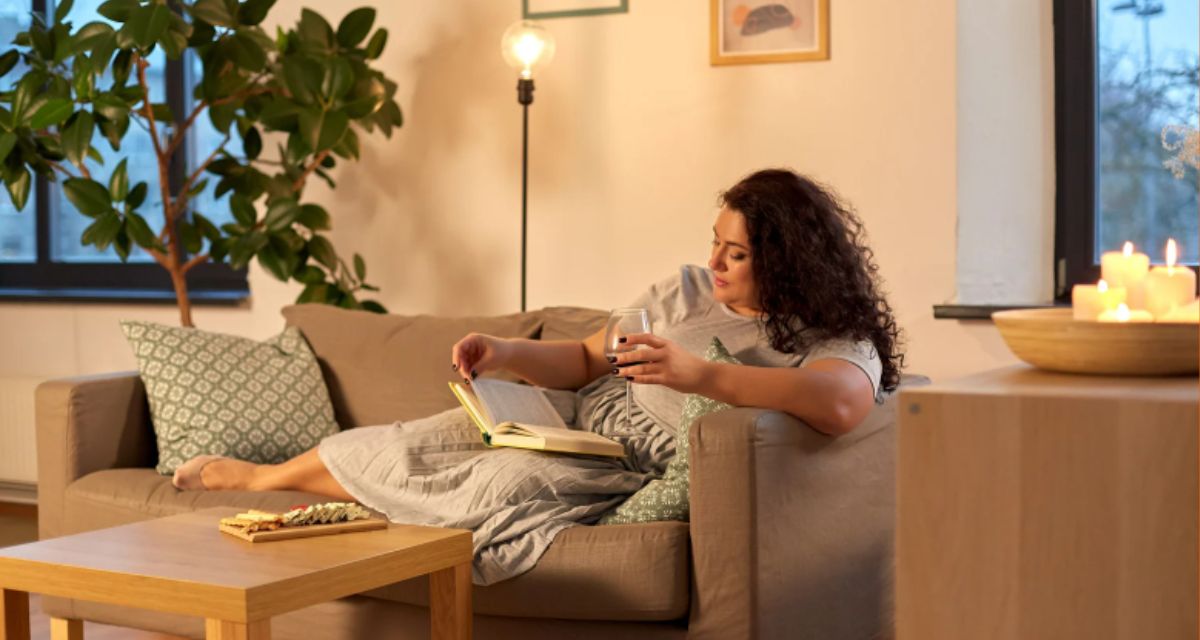
Prefer staying in and saving energy over going out? Psychologists say you have these 8 traits.
Full Article
Original Source
Read the full article at Upworthy →KhanList aggregates and links to publicly available news content. We do not host full articles from third-party sources. Always verify important information with original sources.