
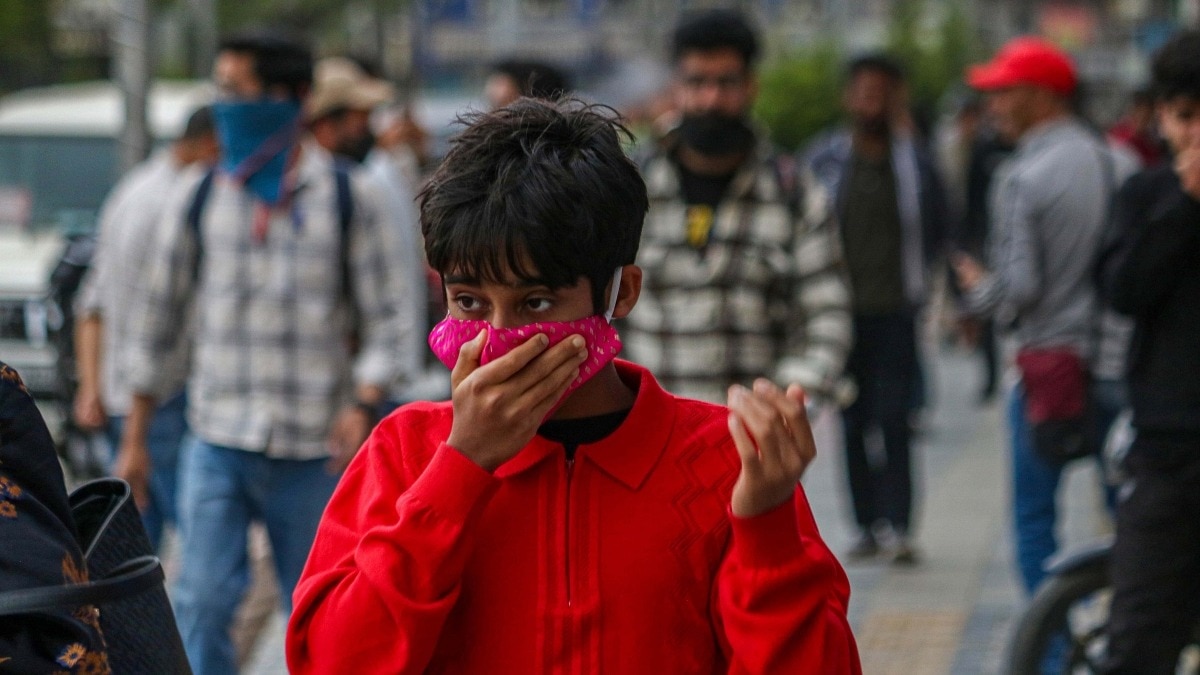
A Nature study has linked long-term PM2.5 exposure to millions of cancer cases worldwide. The findings sharpen concern for India, where fine particle exposure remains persistently high.A new and important global study has thrown up evidence strengthening the link between air pollution and cancer, with fine particulate matter (PM2.5), tiny pollutants in the air, emerging as the biggest contributor among the major pollutants studied.The analysis by researchers from two environmental research institutes in China and Boston University, USA, published in the leading journal Nature, found that PM2.5 exposure was associated with 88.2 lakh cancer cases worldwide between 2000 and 2020.Significantly, the highest preventable fraction linked to PM2.5 – which easily penetrates into the lungs and can reach every organ through the bloodstream – was not limited to respiratory cancers, but also included cancers of the reproductive and endocrine systems.The findings come from an analysis of 10.9 crore cancer cases across 952 locations, examining long-term exposure to PM2.5, ozone and nitrogen dioxide. For every 10 micrograms per cubic metre increase in PM2.5, the risk of developing cancer rose by 16 per cent. The study estimated that about 17.9 per cent of tracheal, bronchial and lung cancer cases could potentially be prevented if PM2.5 exposure were eliminated.The findings have raised fresh alarm for India, where nearly every major city records nearly hazardous levels of air quality index (AQI), driven mainly by high PM2.5 among other pollutants – almost throughout the year. According to the IQAir World Air Quality Report 2023, nine of the ten most polluted cities in the world are located in India.NOT JUST A LUNG PROBLEM In India, say oncologists and pulmonologists, lung cancer, once considered a disease of older male smokers, is increasingly being diagnosed in women and people who have never smoked.Recently updated data by the World Health Organisation International Agency for Research in Cancer (WHO-IARC) showed the malignancy as the country's largest cancer killer, claiming more lives than any other cancer.The country recorded 1,12,659 new lung cancer cases as per Globocan 2024, making it the third most common cancer. But it caused 98,687 deaths, ranking first among all cancers in mortality.A large number of these cancers have been linked with air pollution – mainly, PM2.5. Researchers say the particles can contribute to processes such as oxidative stress, DNA damage, chronic inflammation and immune-system disruption, mechanisms that can promote cancer development.The new study also adds to evidence that the effects of air pollution may extend well beyond the respiratory system. Associations were observed with cancers including those of the thyroid, breast, kidney, bladder, oesophagus and colorectal tract. The researchers found that women consistently had higher attributable risks and burdens for most malignancies.PM2.5 is already classified by the International Agency for Research on Cancer as a Group 1 human carcinogen, with sufficient evidence linking it to cancer, particularly lung cancer. The latest findings broaden the concern by quantifying its potential contribution to cancers affecting multiple organ systems.WORRIES FOR INDIAThe findings are especially relevant for India, where exposure to fine particulate pollution remains high. India’s annual average PM2.5 concentration in 2025 was 48.9 g/m – nearly 10 times the World Health Organisation( WHO) annual guideline of 5 g/m, according to IQAir data.Delhi-NCR represents one of the starkest examples. The capital spent 2025 without a single day classified as having “good” air quality in one assessment, while a recent study found Delhi’s particulate pollution exceeded WHO guideline levels on 99 per cent of days.That emphasises that exposure to poor quality air is not simply a winter or “smog season” problem. While pollution can become dramatically worse during the colder months because of stagnant air, crop burning, traffic, construction and other emissions, residents can be exposed to elevated particulate levels throughout much of the year.The concern is also increasingly being reflected in Indian medical research.All India Institute of Medical Sciences (AIIMS), New Delhi, for instance, has launched a study to investigate whether long-term PM2.5 exposure contributes to lung cancer, particularly among non-smokers, an important question as doctors report growing numbers of lung cancer patients without a history of smoking.- EndsPublished On: Aug 26, 2026 12:36 IST
PM2.5 linked to 88.2 lakh cancer cases in global study
Full Article
Original Source
Read the full article at Indiatoday →KhanList aggregates and links to publicly available news content. We do not host full articles from third-party sources. Always verify important information with original sources.