
Published Oct 20, 2026, 10:31 AM EDT Lee D’Amato is a writer born, raised, and based in Queens, New York. With collective thousands of hours in games like Final Fantasy, Metal Gear, Elden Ring, and The Legend of Zelda, he's now writes game features, guides, and reviews for Screen Rant, but has covered a wide range of topics, including ancient history, affordable travel, and overall health. The creator of the original PlayStation has officially weighed in on the disc debate. Over the summer, Sony announced a discless future for the PlayStation console line: disc production will end in 2028, with games exclusively available as digital downloads purchased via online storefronts. This decision proved immediately unpopular, and has been widely derided in the months since. Part of the issue, it seems, is Sony's failure to explain what its digital-only future will look like. Can players still share or sell used copies? Will licenses be revoked? What's going to happen to all the discs we've already paid for? Now, Ken Kutaragi — often called "the father of PlayStation" — speaking with VGC, has offered a vision for the brand's future. Kutaragi oversaw the development of the first three generations of PlayStation before leaving the company in 2007, but had begun predicting the digital takeover as far back as 2006. According to VGC, when asked for his thoughts on PlayStation's move away from physical games, Kutaragi acknowledged that disc production was likely no longer financially viable for Sony. However, he also noted that the decision had upset fans. "I understand that physical discs have become a metaphor for 'owning' games," he told VGC. "But nobody thinks [physical media] is necessary for a networked device like a smartphone, for example, because people feel they will keep their content. So it's a mentality." Kutaragi, an early advocate for internet connectivity on consoles, suggests Sony may have a different vision for PlayStation's future. "By utilizing network connectivity, [they may see] PlayStation as not just a game console, but also a content terminal," he told VGC, suggesting the next-gen PlayStation could be used to deliver a wide variety of content: perhaps games in addition to streaming TV, music, and more. But, he also acknowledges, "This has caused some friction with game enthusiasts." Kutaragi has a point: it's a lot less common to hear people expressing worries that all the precious photos of friends and family on their smartphones will disappear. There's a different sense of ownership that comes with digital files like that, though: you can effectively do whatever you want with them. Send them from device to device, print them out and frame them, or reproduce them infinitely — they're all yours, and, although you can lose them, they can never be taken away. Game distributors, meanwhile, have made it very clear that consumers don't actually own their digital games. When you purchase one, what you're really buying is a license to play it, which can be revoked at any time. Owning physical copies, even if they're effectively just licenses on a disc, does give consumers a sense of ownership; unless Sony raids your home, they're not taking your discs away. So, perhaps the solution is for Sony to give players a greater sense of control, and thus a greater sense of ownership, over their digital games. But is that really feasible? With the complexities of copyright law and digital rights management, will we ever have as much freedom with our digital games as we do with pictures on our smartphones? That seems unlikely, and, with Sony still keeping quiet on the realities of PlayStation's digital future, the controversy rages on. PlayStation Founded October 3, 1994 Owner Sony Interactive Entertainment Known For Uncharted, God of War, Horizon, The Last of Us,
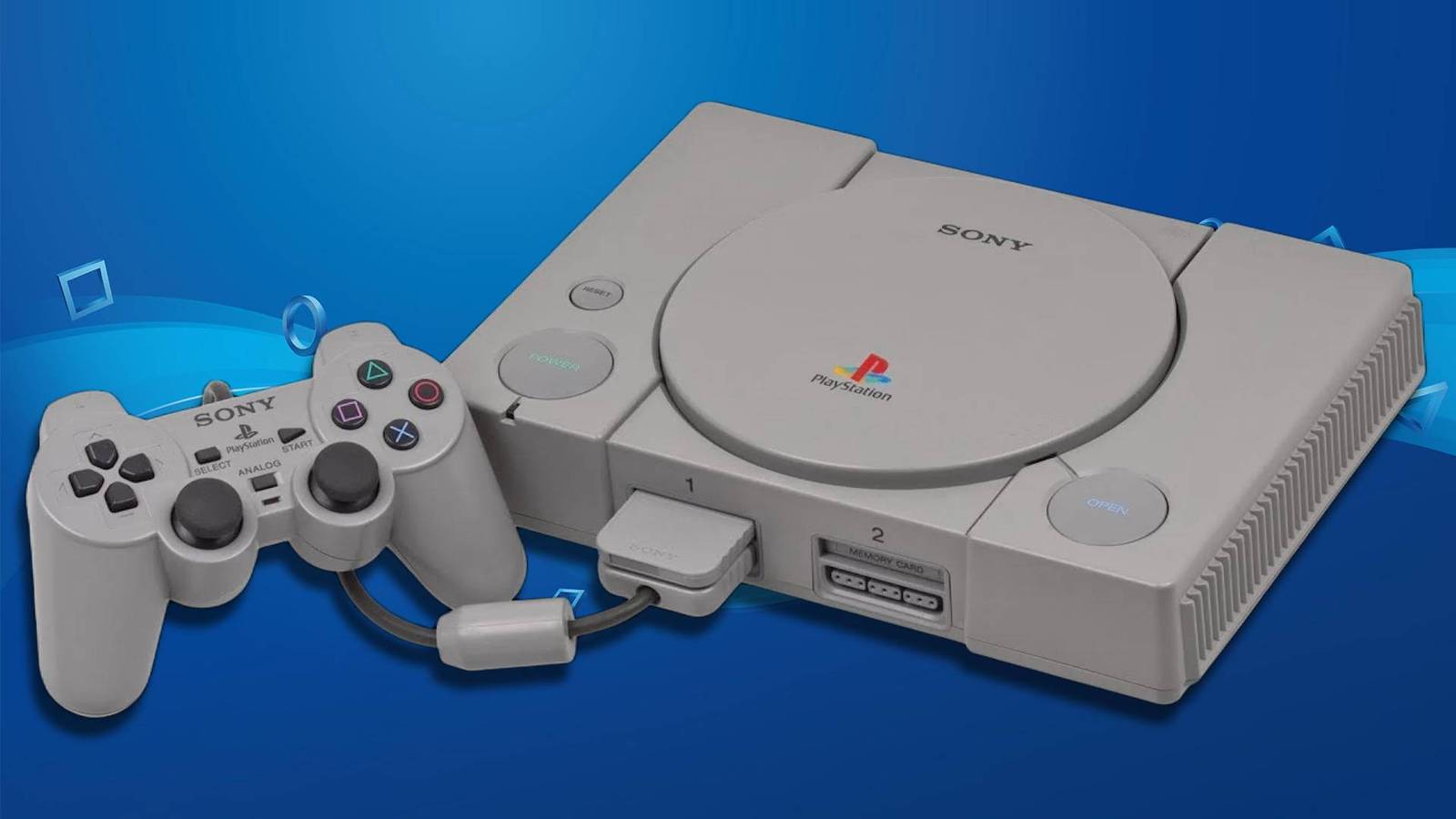
PlayStation 1 Creator Issues Official Response To End Of PlayStation Disc Production
Full Article
Original Source
Read the full article at Screenrant →KhanList aggregates and links to publicly available news content. We do not host full articles from third-party sources. Always verify important information with original sources.