
It’s hard to imagine a demographic (in the United States, at least) that would be more incensed about microplastics and hormone-disrupting bisphenol A (BPA) polluting their drinks than the people who really enjoy a hot cup of tea. We’re talking food co-op volunteers. We’re talking yoga instructors. We’re talking hippie parents who will not hit up the Burger King drive-thru, no matter how much their kids beg from the backseat. If you fall into any one of these categories, please brace yourselves: A new study conducted by researchers in Türkiye has found that tea brewed from the kinds of plastic-mesh tea bags used by some brands can (well) infuse these hot steeped beverages with somewhere between 555 and 2,498 microplastic particles per cup, on average. But the researchers, both professors at Recep Tayyip Erdogan University, also detected concerning amounts of BPA and similarly endocrine-disrupting plasticizers seeping into their test cups of tea via these plastic particles as well. Both compounds had been added to these plastic tea bags ostensibly to improve their strength, pliability, and resistance to heat, but it doesn’t appear that this latter goal worked out. In just one cup’s worth, the scientists recorded volumes of BPA higher than one fifth of the European Food Safety Authority’s tolerable daily intake (EFSA TDI) for the substance. “Our study found that BPA intake could reach 21.7% of the EFSA TDI value, a finding that serves as a critical warning, particularly for vulnerable groups such as pregnant women and children,” the researchers wrote in their study. Reading the tea leaves The researchers compared four tea brands packaged in plastic bags against 10 brands that use paper-like cellulose bags and 14 more bulk tea brands, which sell loose tea leaves—all to help distinguish contamination caused by the plastic bags from the tricky confounding variable of our global microplastics problem. The tea bags were brewed with hot water heated to roughly 203 degrees Fahrenheit (95 degrees Celsius), while the bulk tea leaves were broken down chemically to reveal their own microplastic content. Biologist Necla Pehlivan and her coauthor, Kenan Gedik, with the university’s Vocational School of Technical Sciences, subjected the steeped teas and the particles they found across these 28 brands to infrared spectroscopy and chromatography to assess their chemical content. While the content of BPA and the several plasticizers, known as ortho-phthalates, was concerning, the researchers noted that the risk of developing hormonal, endocrine system disruption, or reproductive toxicity at these doses was “negligible.” One plasticizer, di(2-ethylhexyl) phthalate (DEHP), however, did pose a long-term cancer risk and “may pose a public health concern” for tea drinkers, they noted, “particularly under scenarios of long-term/high-volume consumption.” Loose leaf, loose ends For context, the loose bulk tea that Pehlivan and Gedik tested was estimated to contain between 146 and 1,178 microplastic particles per kilogram—which is to say it would take more than an entire pound of bulk tea to achieve the level of microplastics seen in a single plastic tea bag. (The typical tea bag contains roughly 2 grams of dried tea leaves, or about 0.07 ounces.) “These levels suggest that contamination in bulk tea varieties originates from environmental accumulation, possible machine contact during production, and ambient air rather than the primary packaging itself,” Pehlivan and Gedik wrote in their study, published online this month ahead of final revisions in the journal npj Science of Food. Across all the teas the pair tested, however, there were some factors that might be underselling their approach when scanning for microplastics, a form of pollution that has been implicated in neurotoxicity, cellular damage, cancers, and other health issues. Pehlivan and Gedik’s tools only accounted for particles greater than 100 micrometers, meaning that much smaller plastic particles may have evaded their analysis. Regardless, they did not need to know if the problem was even worse to advocate for one obvious policy change that might help, namely “implementing stringent oversight regarding the thermal stability of food-grade polymers and adhesives utilized in tea bag manufacturing.”
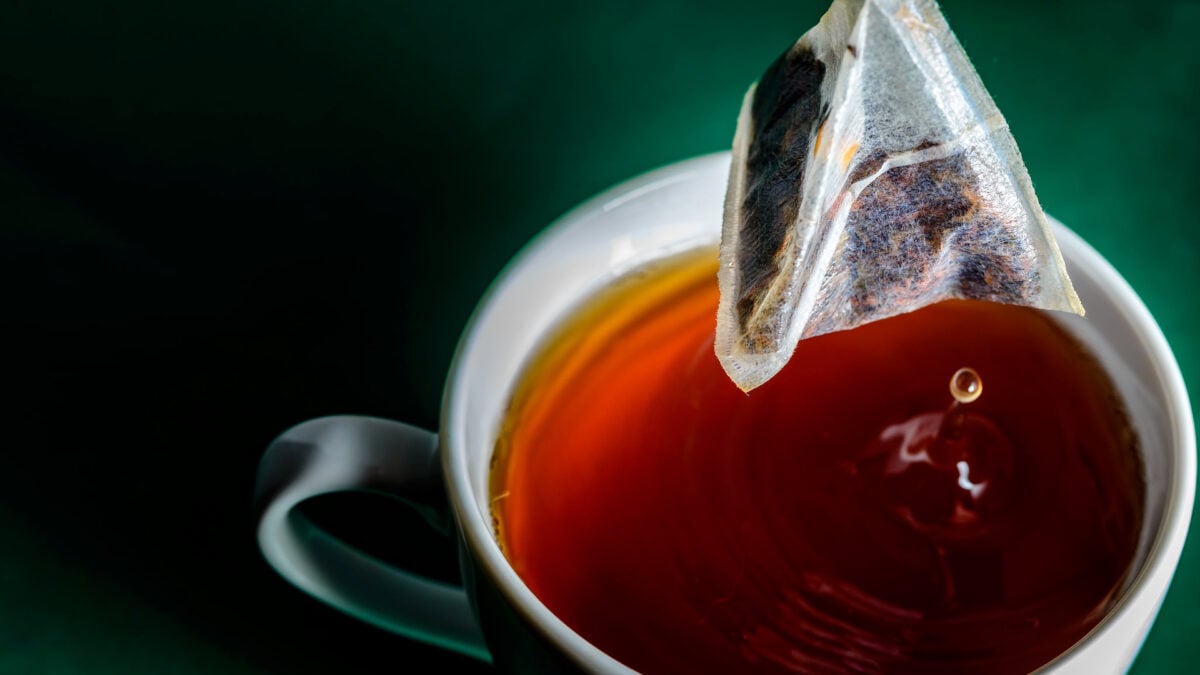
Plastic Tea Bags Steep Thousands of Microplastics Into Every Cup—and That’s Not All
Full Article
Original Source
Read the full article at Gizmodo →KhanList aggregates and links to publicly available news content. We do not host full articles from third-party sources. Always verify important information with original sources.