
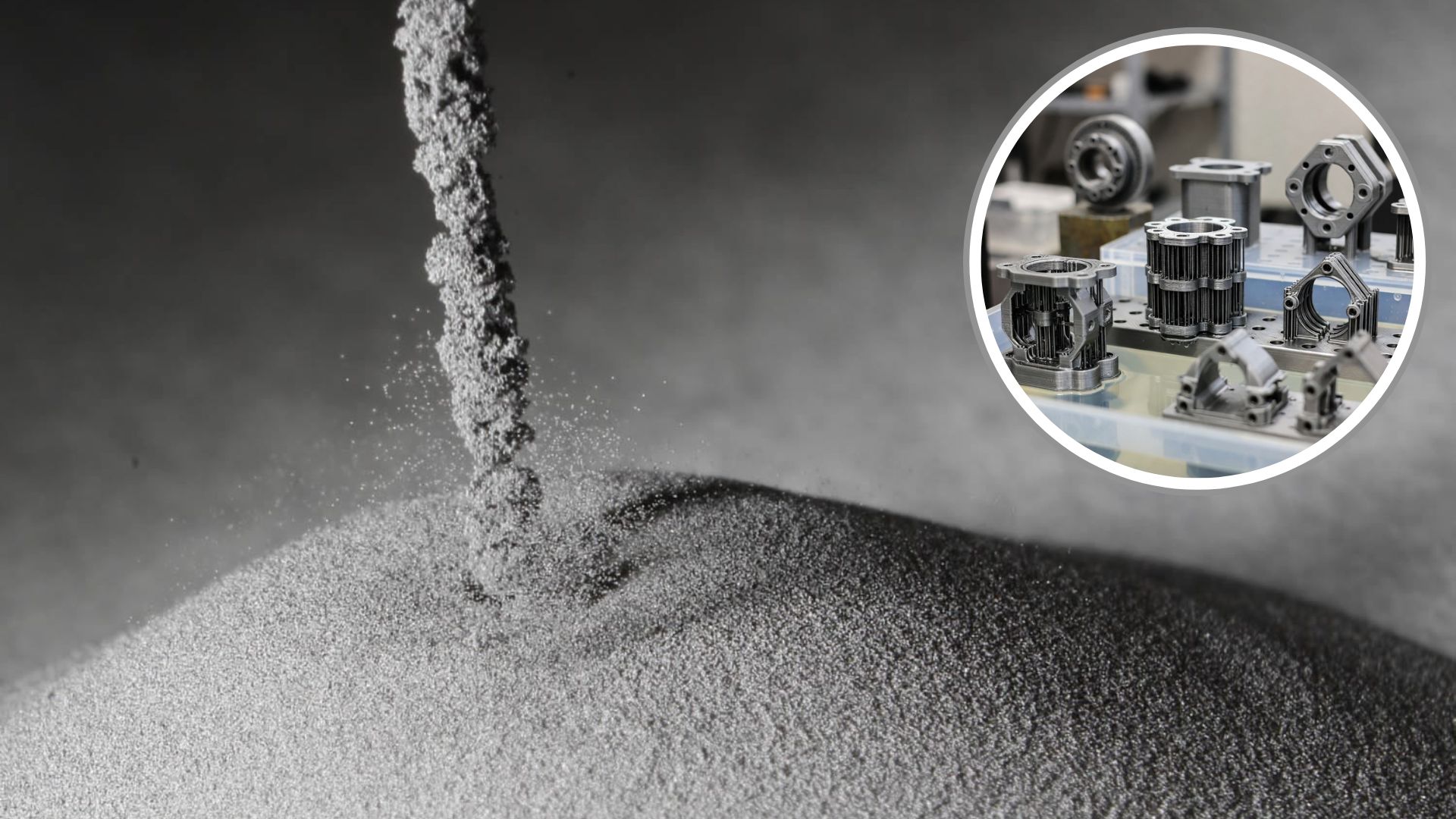
A major U.S. applied research laboratory has placed its first commercial order for titanium powder produced through PyroGenesis’ plasma atomization technology. PyroGenesis has not revealed the identity of the facility or the value of the agreement. The organization is known to conduct research supported by both the U.S. Department of Defense and NASA. It ranks among the largest applied research laboratories supporting work across several advanced technology fields. PyroGenesis will supply a coarse Ti64 titanium powder for electron beam melting, or EBM. The technology can produce complex metal components for aerospace and biomedical applications. The order also follows PyroGenesis’ completion of Defense Federal Acquisition Regulation Supplement, or DFARS, compliance requirements. Those rules include security standards that apply to certain U.S. defense contractors. The certification process delayed the award as the research facility worked to confirm PyroGenesis met those requirements. Its completion could now create new opportunities in the U.S. defense research sector. Titanium powder for EBM The research facility ordered Ti64 powder with particle sizes ranging from 45 to 106 microns. EBM uses an electron beam to fuse successive layers of metal powder into finished components. The process can produce lightweight parts with complex geometries that conventional manufacturing methods may struggle to achieve. Titanium alloy powder plays an important role in that process. Ti64, or titanium-6Al-4V, offers high strength and corrosion resistance at a relatively low weight. The powder also targets applications where manufacturers need intricate structures without sacrificing mechanical performance. PyroGenesis said the facility could place follow-up orders soon. The company expects to ship the first batch within days. The facility’s name remains confidential for competitive reasons. PyroGenesis CEO P. Peter Pascali said the order advances the company’s broader plan for its additive manufacturing business. “This contract speaks directly to the strategic goal we outlined,” Pascali said. He added the company wants to expand its customer base, develop repeat business, and find additional applications for its metal powders. Plasma technology enters research PyroGenesis developed its latest powder production platform under the NexGen brand. The system uses plasma atomization to convert metal feedstock into powder for metal 3D printing. PyroGenesis holds an early patent covering the technology and helped establish the term “plasma atomization.” Years of development led to a redesigned production system that targets higher powder quality, stronger yields, and lower operating costs. Commercial demand has gradually increased as well. PyroGenesis progressed from gram-scale customer samples to 220-pound orders before securing its first tonne-scale powder order in 2023. The company now produces titanium powder in three size categories. Fine powder targets laser powder bed fusion systems, which typically use particles between 15 and 63 microns. Coarser powder serves EBM and directed energy deposition. PyroGenesis also sees potential for off-cut material as feedstock for producing high-quality metal alloys. The first order could give PyroGenesis a foothold inside a major U.S. research organization, while DFARS compliance removes a key barrier that had previously delayed the award. Whether the relationship grows will depend on what follows the first shipment.Get the latest in engineering, tech, space & science - delivered daily to your inbox.Aamir is a seasoned tech journalist with experience at Exhibit Magazine, Republic World, and PR Newswire. With a deep love for all things tech and science, he has spent years decoding the latest innovations and exploring how they shape industries, lifestyles, and the future of humanity.
Plasma atomization creates ultra-pure titanium powder for complex 3D-printed alloys
Full Article
Original Source
Read the full article at Interestingengineering →KhanList aggregates and links to publicly available news content. We do not host full articles from third-party sources. Always verify important information with original sources.