
Published Oct 30, 2026, 10:32 AM EDT Tevin Mulavu is a former international airline pilot with more than 20 years in commercial aviation and over 10,000 flight hours. Type-rated on the Boeing 787, 777, 767 and 737, he spent almost a decade flying long-haul with Qatar Airways before stepping away from the flight deck in 2026. He holds an Executive MBA from the University of Cumbria. He writes about the human side of a flying career: identity, the roster’s toll on family life, and what comes next when the uniform comes off. He is the founder of Aviator Entrepreneur Academy and host of the 100VOR podcast. There’s an old joke: how do you know someone is a pilot? They’ll tell you. For 20 years, I was proud to tell people. Being a pilot gave me an easy way to connect. The moment someone discovered what I did, the questions began. Where have you been? What happens during turbulence? Have you ever been scared? I knew I wanted to fly from the moment I first stepped onto a plane. I was nine years old, travelling from Nairobi to Mombasa, when the captain’s voice came over the PA. I remember thinking: wow. That’s what I want to do. Life In The Cockpit Credit: Tevin Mulavu I began commercial pilot training in 2004 and joined Kenya Airways four years later. After nine years, I moved to Qatar Airways in Doha, where I spent almost a decade flying international routes. It was an extraordinary career, even when events took a turn I could never have predicted. On one flight into Madagascar, political unrest erupted near the airport. Departures were suspended. Armed men appeared near the runway, and the police guarding our aircraft fled. It felt like a scene from Rambo. For hours, we did not know whether we were facing a hijacking or would be allowed to leave. When we finally departed, we waited for the sound of gunfire. Thankfully, it never came. That experience taught me how quickly life can change. However, it took becoming a father for me to apply that lesson to my own life. By then, I was spending as many as 160 days a year away from home. Flying allowed me to provide for my wife and our two sons, but it also meant being absent from their lives. I did not want my sons to grow up feeling that I had missed them. The Struggles Of A Career On In The Sky Credit: Tevin Mulavu I began to wonder if this conflict was mine alone, or was it an industry-wide problem? While completing my MBA, I surveyed pilots about their plans beyond the cockpit. The response was overwhelming. Pilots were proud to provide for their families but troubled by what they were missing at home. Many could not see a pathway forward that they could control. The prevailing wisdom was that that’s just how it is. I’m not one to go with the crowd, and I did not accept that. Pilots should be able to enjoy a life in the sky and feel in control of their careers beyond it. For many, the need to prepare is urgent. A 2026 report from the US Government Accountability Office estimates that about 3,000 working airline pilots will reach the mandatory retirement age of 65 each year through 2029. Others will be forced to leave sooner or face long gaps in their income when flying stops. A scratch on your retina? You could be grounded. An irregular heartbeat? Same story. Then there are geopolitical disruptions. Early in 2026, I was grounded in Nepal for 22 days, uncertain when I would fly home, and for many, this has become routine. Every Pilot Needs A Plan Credit: YAKOBCHUK VIACHESLAV | Shutterstock I do not think every pilot needs to leave the industry or get an MBA, but every pilot needs a plan. This needs to start while still in the sky. Today, I help pilots recognise what the cockpit has taught them. On every flight, we bring together people from different countries to rally around a common goal. We lead teams, make decisions under pressure, and are the people others look to for answers, sometimes with lives on the line. We understand how systems interact and constantly ask if this fails, what happens next? That is operational excellence. These skills are transferable and in high demand across industries. However, many pilots do not recognize them as skills at all. Learning to see their value changed how I saw my own future. Leaving flying was not the end of my journey: it was another destination on my map. Tevin Mulavu is a former Qatar Airways (Boeing 777 and 787) pilot.
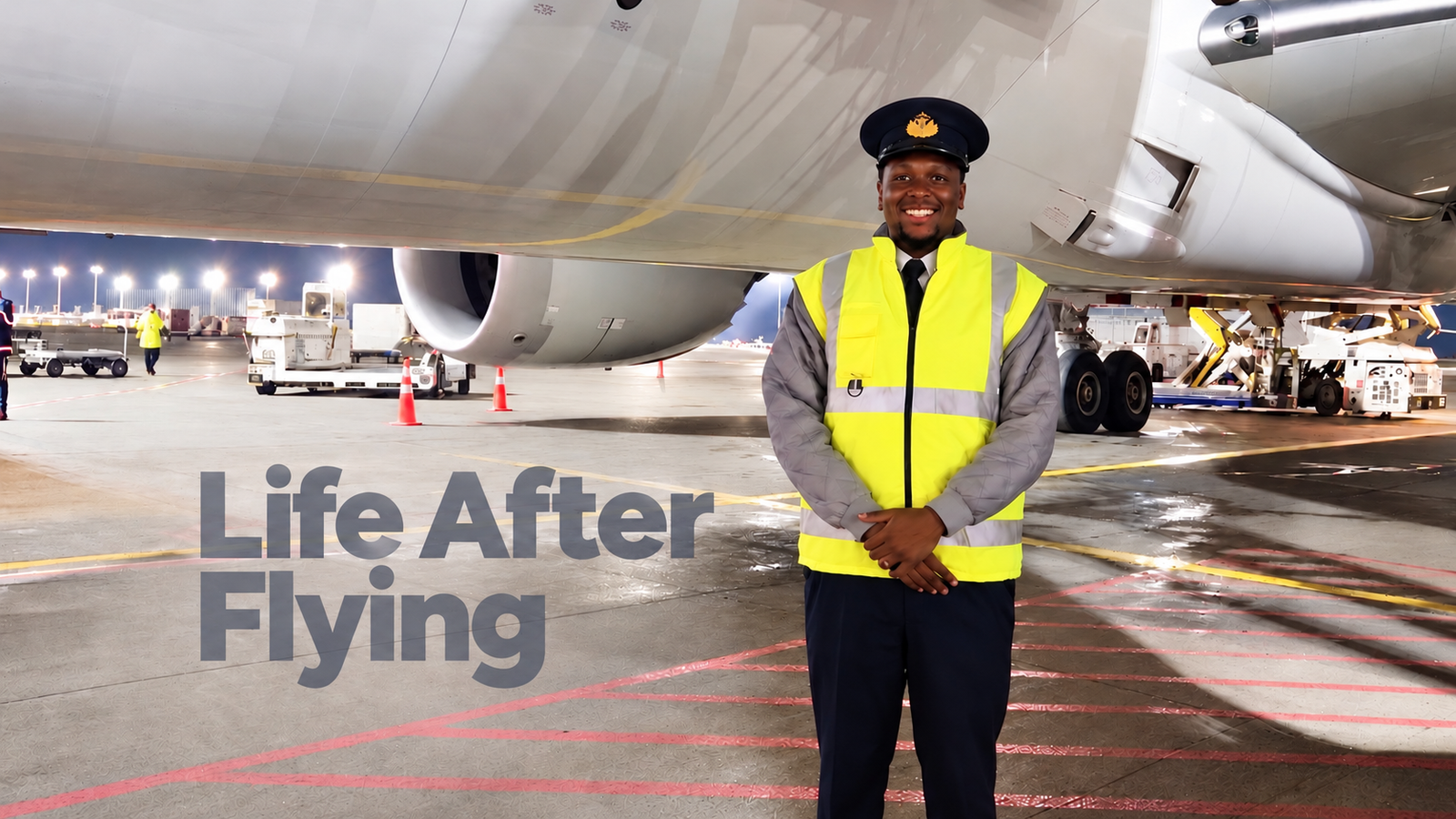
Pilots Plan For Every Emergency, Except Life After Flying
Full Article
Original Source
Read the full article at Simpleflying →KhanList aggregates and links to publicly available news content. We do not host full articles from third-party sources. Always verify important information with original sources.