
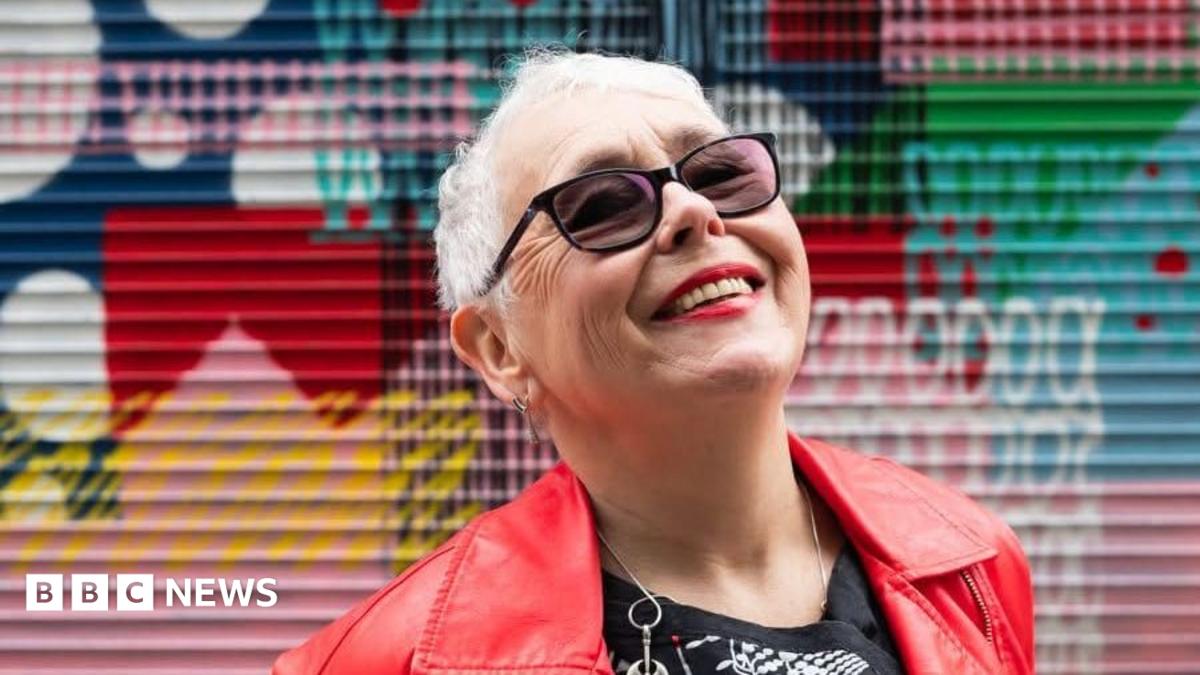
As a 75-year-old lesbian, Mindy Meleyal has lived through every major milestone in the modern LGBT rights movement, from the start of decriminalisation in 1967 to the first same-sex marriages in 2014.But now she says this important part of her identity is frequently overlooked due to her age.She's part of England's older LGBTQ+ community, which a new report suggests often experiences poorer health, more limited finances and greater social isolation than the wider older population.The report, from the Centre for Ageing Better, says without specialist support, this growing demographic could be forced "back into the closet" when accessing care, warning they may even delay getting the care they need because of concerns about homophobia.Adam Porter, a housing development manager from the LGBT Foundation charity, says he regularly meets older members of the community in exactly that situation."It's very common for people to hide things if they have a carer visiting their home, for example hiding their wedding photos or taking down a trans flag," he says."In the case of someone moving into a care environment, that means hiding who they are in their own home, for what could be the rest of their life."He says he has been "horrified" by some of the stories he has heard meeting older LGBTQ+ people, including some who have had carers offer to "pray for them" regarding their sexuality.Porter is part of the team behind Kindred House, a first-of-its-kind LGBTQ+ social housing scheme for over-55s, set to open in Manchester next year.But despite having their support while he's relatively independent, Norman says he worries about the prospect of facing discrimination if he needs more formal care as he ages."Hopefully I will maintain and look after myself the best I can, but I've heard horror stories of gay people in nursing homes being treated terribly," he says."I think nurses, doctors, carers should all be trained on how to look after LGBT people."It's the reason behind schemes like Manchester's Kindred House, which are not unusual in other parts of the world.There are similar projects in Spain, Sweden, Germany, the US and Canada, but in the UK they are few and far between.In 2021, the UK's first LGBTQ+ retirement home, Tonic, opened in London with 19 apartments for private rental or shared ownership.The scheme attracted so much attention, later this year it is set to feature in a Netflix documentary telling the story of one of its first residents, Chek Min-Ong.After 43 years together, Min, 77, and his late partner Tim, had discussed their plans for a future where one of them would live alone, as Tim's health deteriorated.While schemes like Kindred House and Tonic are welcomed by Mindy, Norman and Min, the Spotlight on Ageing report warns that, because the older LGBTQ+ population is growing, the demand for specialist services is expected to outstrip supply.Between 2019 and 2024, the number of over-50s identifying as lesbian, gay or bisexual in the UK increased by around a third - from roughly 340,000 to almost 460,000.There was a 4% rise in the number of heterosexual people aged 50 and above in the same period.These numbers are projected to continue to increase as the relatively larger younger generations of people identifying as LGBTQ+ age.Porter warns that without more schemes like Kindred House, and more training and awareness for those in other care settings, the ageing population may struggle to get proper support.For Mindy, who is part of a steering group advising on the plans, knowing there may be more options available in the future is reassuring."It's important that you can go, that you think, 'You know what, I could live there because I know the staffing, the ethics, the rules, everything about the place has been put together from an LGBTQ+ focus,'" she says."That's what we've been doing and it's something I'm really proud of being a part of."
'People forget we exist': Why older LGBTQ+ community fears losing identity
Full Article
Original Source
Read the full article at Bbc →KhanList aggregates and links to publicly available news content. We do not host full articles from third-party sources. Always verify important information with original sources.