
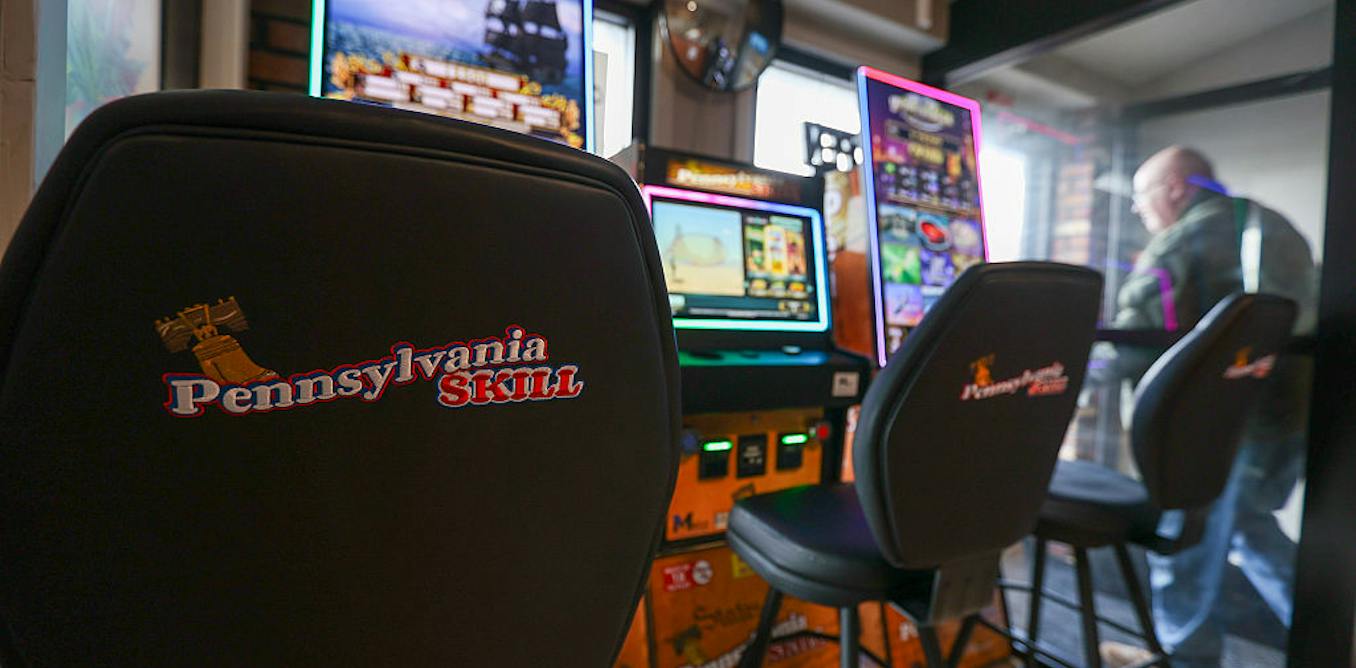
Pennsylvania lawmakers returned to Harrisburg on Sept. 28, 2026, after a 10-week recess with little time to determine the future of the state’s skill games. On June 15, the Pennsylvania Supreme Court ruled that the devices are slot machines governed by the state’s gambling and criminal laws. The court stayed its order for 120 days to give affected businesses time to adjust and lawmakers an opportunity to act. That safe harbor period expires Oct. 13. Beginning the next day, Pennsylvania State Police say unlicensed machines outside casinos and qualifying truck stops may be seized, and the businesses operating them could face prosecution. The state Senate has only six scheduled session days before the deadline. Bipartisan proposals in the Pennsylvania House and Senate would preserve the industry by licensing the machines and charging operators fees while limiting most establishments to five machines. Another bill would extend the safe harbor for six months. But as legislators focus on jobs, business revenue and taxes, they risk overlooking more consequential question about whether gambling machines should remain widely available in the gas stations, bars and social clubs that Pennsylvanians encounter in everyday life. In this discussion, taxation and revenue are often at the forefront of everyone’s minds. However, from my perspective as a scholar who studies the legal and illegal markets that spring from prohibitions and legalizations, focusing on tax revenues misses the bigger picture. The fundamental question raised by skill games is this: When should society limit everyone’s freedom to buy something to protect the minority who would be harmed by their own choices? Skill games resemble slot machines and will now be regulated as such, since players insert money and can win cash. Mark Levy/AP Photo When government bans physical products Democratic governments don’t typically stand between citizens and their impulses to buy things. If someone wants to drop $80 on a stuffed animal, that’s their business. Yet police arrest people for selling $80 worth of methamphetamine. The government prohibits meth sales because society does not trust everyone to make good choices about such powerful, addictive drugs. That’s not to say the line is absolute. For example, raw milk is restricted due to food poisoning risks, despite being nonaddictive. Nicotine, while addictive, is legal – though heavily regulated – and the legal status of cannabis is evolving. Still, the general pattern in the U.S. is that nonaddictive consumer goods are generally permitted, albeit with regulation, while addictive substances face closer scrutiny. Cannabis is currently legal only for medical use in Pennsylvania. Recreational marijuana remains illegal. Richard Vogel/AP Should government restrict addictive experiences? By contrast with physical products, policymakers now tend to duck difficult conversations about what to do with addictive services or experiences like gambling and video games. It has long been recognized that just as taking cocaine can trigger a dopamine rush, so too can video games and gambling. The American Psychiatric Association’s official manual recognizes gambling disorder in its chapter on substance-related and addictive disorders. The Pennsylvania Gaming Control Board regulates all forms of legalized gambling in the state. MediaNews Group/Reading Eagle via Getty Images That raises the difficult question of how society might consider restricting the availability of certain forms of gambling. Presumably, most people who use skill games have fun and are not harmed, but skill games may appeal particularly to vulnerable groups, including young people and people with gambling problems. A Penn State study found that, relative to other gamblers, those who play skill games spend more time and money gambling, and 1 in 4 could be classified as “at-risk” or “problem gamblers.” Furthermore, that at-risk or problem group probably accounts for much more than 25% of dollars and hours spent on skill games. With addictive products, a small group of heavy users often accounts for most of the consumption. Beyond tax revenue Focusing on tax rates or revenues overlooks the bigger picture. A gas station has good reason to offer skill games – they draw customers who might otherwise buy gas from a competitor. Prior to the Pennsylvania Supreme Court’s ruling, skill games operated untaxed across Pennsylvania. Boston Globe/Boston Globe via Getty Images But that’s an argument about which stores capture sales, not about total economic activity. The state’s decision to regulate skill games like slot machines will likely have little effect on how much gasoline gets purchased overall. The real question is whether Pennsylvania and cities like Pittsburgh and Philadelphia want skill games and other gambling opportunities to be widespread and unavoidable for people who struggle with compulsions to gamble. The alternative is asking the majority to accept the inconvenience of having gambling cordoned off from daily life in order to avoid putting a stumbling block in front of their neighbors. Not so long ago, gambling was mostly restricted to a handful of places, notably Las Vegas; Atlantic City, New Jersey; and horse tracks. Ubiquitous availability of gambling may be a convenience for the majority, paid for dearly by the minority for whom constant access challenges their self-control. This is an updated version of an article originally published on July 17, 2026.
Pennsylvania’s skill games are officially gambling – so should they be at every gas station?
Full Article
Original Source
Read the full article at Theconversation →KhanList aggregates and links to publicly available news content. We do not host full articles from third-party sources. Always verify important information with original sources.