
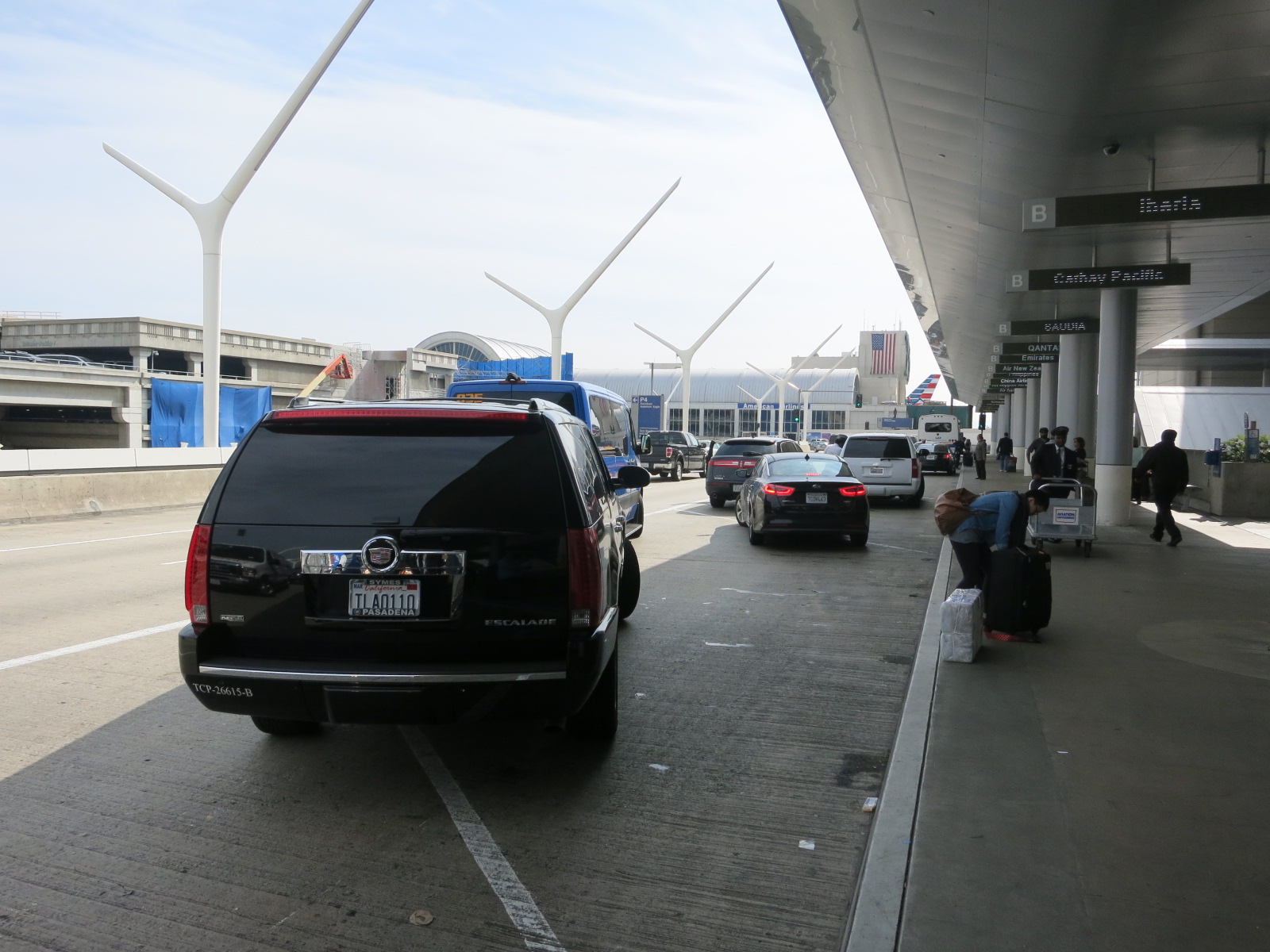
A woman says her Uber driver dropped her at Mexico City’s airport after a 19-minute ride, then sat there with the trip still running for more than an hour. Her $24.56 ride turned into a $66.72 charge. She was inside the terminal while the app treated her like she was still enroute. Uber eventually refunded about $40, after her complaint drew more than 300,000 views on Twitter. This is a known scam that Uber has listed for years – Time Abuse – but their complaint path doesn’t offer the category. And Uber itself has created the conditions to make schemes like this more common, squeezing driver pay while making customers fight to correct overcharges. That just creates incentives for overcharge schemes. Elizabeth Laraki describes an early morning airport run where she chose Black SUV at roughly $25 instead of UberX at roughly $10. The driver arrived in a Chevrolet Suburban. The Black SUV request was priced at ~$25 versus $10 for UberX, so she requested the Chevy Suburban. The driver picked her up at 2:53 a.m. She says they reached Terminal 1 at 3:12 a.m., with no traffic. But her receipt shows the trip ending at 4:25 a.m. and a 1 hour 31 minute trip. The fare increased ~ 1.7x to $42.16 She says she happened to photograph the vehicle’s Mexican flags after getting out, giving her a timestamp for her arrival. She also made purchases from inside the airport while the ride was supposedly ongoing. Elizabeth Laraki’s account of her Mexico City airport ride Uber’s support options didn’t fit what happened, and its automated chat couldn’t resolve it. In her follow-up, she says Uber corrected the situation but only after her post passed 300,000 views. Original charge: MX$1,204.19, displayed as $66.72. Refund: MX$722.26, approximately $40.02. New total: MX$481.93, displayed as $26.70. That’s still $2.14 above her original estimate and Uber doesn’t explain the difference, it is just labeled “ajuste por problema tecnico,” or adjustment for a technical problem. Uber Offers Prices Then Reneges The receipt says the price rose because the trip took longer or covered more distance than expected. Leaving the ride open kept the meter running. An upfront Uber price isn’t actually the price they charge. Uber says a trip gets priced as time and distance when the pickup or destination changes, the route changes, or heavy traffic extends the journey. A longer than estimated trip costs more. That’s not surge pricing, which is already factored into the up front quote. Uber Knows About This Scam Uber flags two versions of this on its support pages: Continued Trip: the driver drops off the passenger but keeps driving without ending the ride. Time Abuse: the driver remains at the drop-off location and waits to end the ride. Time abuse is what happened here. But the customer still couldn’t get support to address it. And reports of rides continuing after drop-off go back at least to 2018. In 2024, a passenger reported a ten-minute ride followed by two more hours of driving, producing a charge seven times the quote with trouble getting through automated support. And in August 2025, a Vancouver passenger’s $30 ride became $80. Uber’s response acknowledged that the driver hadn’t ended the trip, but initially denied an adjustment. Lower Driver Pay Can Make Cheating More Attractive I’ve written about Uber squeezing both drivers and passengers, and about how tipping allowed the company to pay drivers less. Expected tips become part of the compensation that persuades people to drive. Uber then reduces the amount it offers drivers directly, because it can entice drivers onto the platform for less. And the downward pressure on compensation that Uber has exerted affects service quality as drivers with better options leave. Maintaining a nicer vehicle becomes harder to justify. And an account that produces less income relative to a driver’s alternatives is worth less to protect. Uber may deactivate an account that pulls off frauds, but the threat works less well when continued access to the platform is no longer as valuable. If legitimate driving becomes less rewarding, the driver has less to lose by risking their account (and fraud in getting access to new accounts is reportedly legion). Extra money from manipulating a fare becomes more attractive. Then when complaints disappear into automated support, the chance of being caught and penalized falls as well. Uber Was Supposed To Remove This Kind Of Hassle One of Uber’s original advantages was that you could request a car, get where you were going, and leave. No argument over the meter, no supposedly broken credit card machine, no need to negotiate the transaction at the curb, though time and distance aren’t new to pricing. I have to remind myself how bad taxis were. Cars could be hard to find, drivers didn’t always want to go where you were going, and vehicle quality could be awful. Uber solved real problems, but has gotten consistently worse since they put Expedia’s ex-CEO in charge, surprising absolutely no one who knows anything about Expedia. It turns out that you need to check that the ride actually ended when you leave the vehicle, and probably document the real end of ride in case the receipt doesn’t match. And I guess you need to screen shot your original quote. Uber should also flag extended idling at the final destination before automatically charging for it. Surely a passenger’s geolocation being different than the driver’s phone should provide proof as well. Topics on this page
Passenger Took An Uber To The Airport—Driver Kept The Trip Running, Increasing Fare 168%
Full Article
Original Source
Read the full article at Viewfromthewing →KhanList aggregates and links to publicly available news content. We do not host full articles from third-party sources. Always verify important information with original sources.