
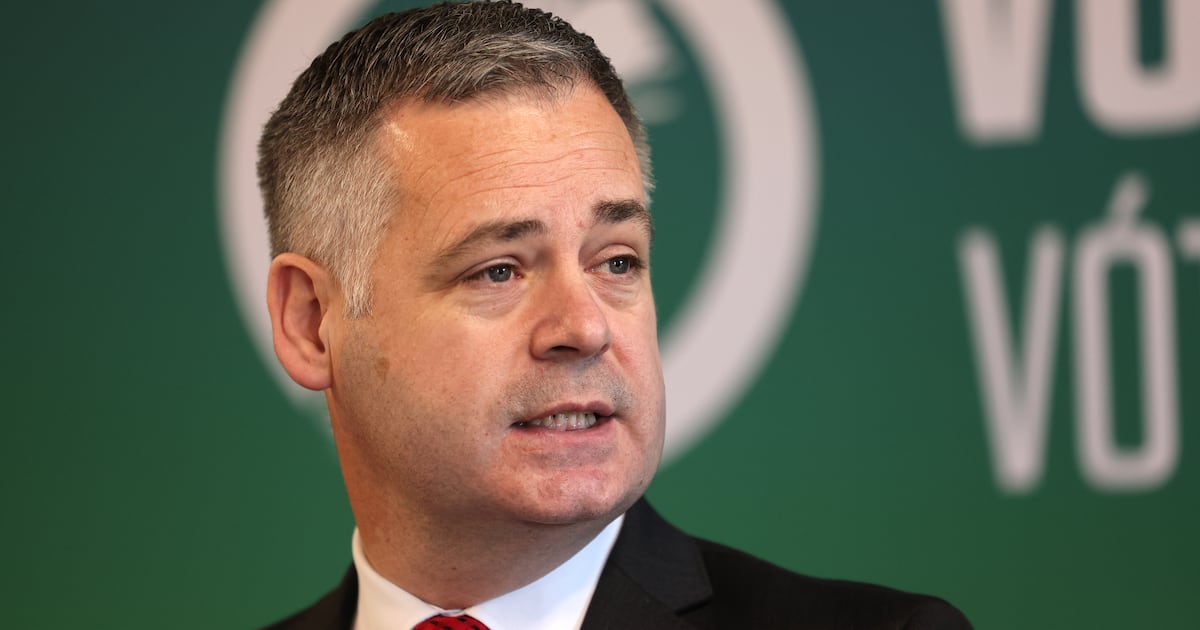
A €500 “everyday essentials card” for one million lower income households, a €400 electricity credit, and the abolition of the Universal Social Charge (USC) for workers on the first €40,000 they earn are among key proposals in Sinn Féin’s alternative budget. The largest Opposition party has proposed a package of more than €13 billion between tax and spending measures, considerably more than the €8.5 billion package expected to be unveiled by the Government next week. Sinn Féin would raise taxes on higher earners, developers, landlords and banks to generate revenue to fund their proposals.The party said it would bring in €10-a-day childcare this year and has called for a new tier of child benefit for those at greatest risk of poverty.READ MORE“Sinn Féin chooses to back working people and ordinary households,” party leader Mary Lou McDonald said at Thursday’s launch. [ Budget 2027 update: From income tax to energy excises and childcare – here’s what we know so farOpens in new window ]Finance spokesman Pearse Doherty said the party wanted a “fair tax package for workers, while increasing the overall tax revenues of the State, and using those revenues then to invest in public services and in infrastructure”.While USC would be cut for the first €40,000 for all workers, Sinn Féin would generate more than €1 billion by removing tax credits for those paid between €100,000 and €140,000 and bringing in a 3 per cent “solidarity tax” for those earning more than €140,000.The party would phase out Local Property Tax but bring in a €600 property charge on multi-residential ownership and would scrap landlord tax relief.It would also increase the Banking Levy to bring in €500 million.Sinn Féin’s public expenditure spokeswoman, Mairéad Farrell, said the party would increase investment in social and affordable homes to fund 24,000 units per year, double the rent tax credit to €2,000, and ban rent increases.[ Income tax change is coming in Budget 2027. Here’s what it means for youOpens in new window ]The party would abolish third-level student fees by September 2027 and scrap apprenticeship fees in their entirety from January.Farrell said Sinn Féin’s “fully costed” proposals would fund 4,000 additional hospital beds over five years and expand medical cards to 70,000 additional people.Doherty said the €400 electricity credit would be partially funded through a 75 per cent windfall tax on energy companies’ profits.Sinn Féin wants the immediate removal of carbon tax and excise duty from home heating oil and for all planned carbon tax increases to be scrapped. The party wants a further 10 cent reduction on diesel and petrol.He said a means-tested €500 “everyday essentials card” would help one million low- to middle-income households cover the costs of food and household goods at an overall cost of €500 million. Social Democrats deputy leader said the party would increase the two main income tax credits by €175 each. Photograph: Bryan O’Brien/The Irish Times The Social Democrats set out increased expenditure of €12.8 billion. Increased net revenue from a range of new tax measures would bring in €4.3 billion. The party pointed to the phasing out of income tax credits for people earning more than €100,000 and a new tax on “super wealth” that would bring in an additional €1.35 billion.Launching its alternative budget, Social Democrats deputy leader Cian O’Callaghan said the party would increase the two main income tax credits by €175 each, at a cost of €801 million; increase the standard rate cut-off point by €1,300, costing €330 million; and introduce the phasing out of income tax credits for those earning more than €100,000, saving €886 million.Its “super wealth” tax would have a flat marginal tax rate of 2 per cent on net assets of more than €5 million.Among proposed revenue raising measures are a phasing out of subsidies for developers; a tripling of the bank levy; a reinstatement of a windfall tax on energy suppliers and producers; a carbon charge on private jets; a weight-based tax on SUVs; an international tourist charge; and an increase of 0.3 per cent in the rate of employer PRSI.“After years of record budgets, life is still getting harder for working people,” O’Callaghan said. “This must change, and it must change now.”[ Three alternative Budget 2027 plans with one thing in common: spend, spend, spendOpens in new window ]The proposals would see average childcare fees cut by €300 per month, as part of a move to a €200 per month cap by 2029, and include a €400 energy credit targeted at households with a total income of less than €70,000.The party said it would fund 12,500 social homes and 10,000 affordable homes next year. Meanwhile, the Labour Party has suggested a budget should include a €400 energy credit and a free plug-in solar unit for up to 1.2 million households with income below €80,000.The party’s alternative budget also proposes a €15 weekly increase in core social welfare payments; a €30 weekly cost of disability payment; increased rate of child benefit for households in poverty; universal back-to-school allowance; and a once-off €100 winter grocery supplement for child benefit recipients. For workers, the proposals include a 79 cent increase in the hourly minimum wage and pay rises for public sector employees.Labour leader Ivana Bacik said the party’s proposals were ‘relentlessly focused on keeping household bills down’. Photograph: Leah Farrell/RollingNews.ie The tax band changes would put around €530 back in the pockets of a single worker earning a wage of €50,000, the party said. Revenues for the extra spending would come from a range of sources including withdrawing credits for those earning more than €100,000.[ Budget Q&A: Submit your questions to our expert panel on budget dayOpens in new window ]Other sources would include a windfall tax on energy companies making supernormal profits, a levy on data centres and a tax on fossil fuel SUVs. Labour leader Ivana Bacik said the party’s proposals were “relentlessly focused on keeping household bills down”. Party finance spokesman Ged Nash said the measures were intended to tackle inequalities in income and services that had turned Ireland into a “high cost, poor outcome country”.
Opposition’s alternative budgets propose windfall taxes and €400 energy credits
Full Article
Original Source
Read the full article at Irishtimes →KhanList aggregates and links to publicly available news content. We do not host full articles from third-party sources. Always verify important information with original sources.