
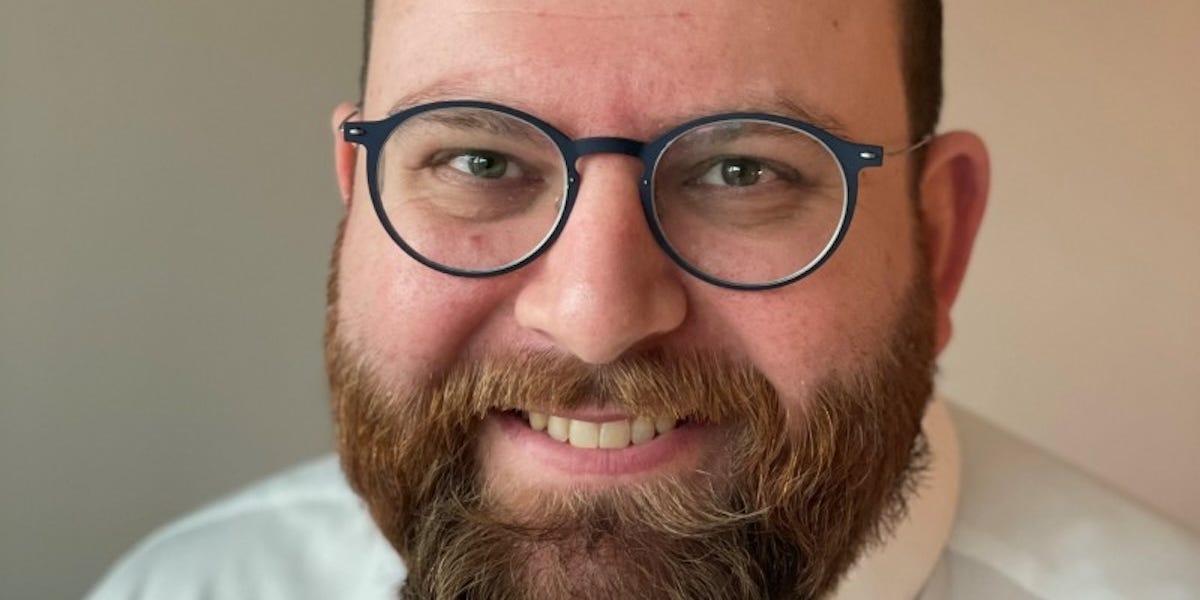
Lewis Bretts, Telon's cofounder and CEO. Telon OpenAI has been signaling for months that it wants a bigger foothold in the legal industry. A new partnership offers a clue as to how it plans to get there: not just by selling models and software, but by sending people to help customers actually use them.Telon, a London startup, is one of the companies giving it boots on the ground.Rather than sell software, Telon hires and trains "legal engineers" — mostly former lawyers who embed inside law firms and corporate legal teams to help them get more out of the tech they already buy. The model is a bit like forward-deployed engineering-as-a-service.The startup isn't six months old yet, and it already has the attention of a tech goliath. Telon said Tuesday that OpenAI named it a "select partner," a role that will have the startup working with shared customers to configure models, write prompts, build agents, and train lawyers.The ChatGPT maker launched the OpenAI Partner Network in June to make it easier for consultants and other partners to bring its models and software into companies around the world. OpenAI said it aims to certify 300,000 consultants by the end of 2026.Lewis Bretts, a former trial attorney, built up PwC's legal practice before founding Telon in June. He said the hardest part about selling artificial intelligence to law firms isn't closing the deal. It's getting lawyers to actually use it.That pain point has created a growing line of business for professional services firms, which have long helped companies adopt enterprise software. Bretts said he started Telon after noticing a change in how that work gets done.Enterprises once hired firms like McKinsey or Deloitte to roll out a Salesforce database or another large tech system — a project that might take months or years, but eventually ended.AI is different. Labs ship new models all the time. Each release expands what the apps built on top can do. A company can buy licenses and run a successful pilot, Bretts said, only to find months later that employees are using a fraction of what the technology can do. Telon is betting there is room for a legal specialist to close that gap. Since June, the company has grown to 30 team members and raised capital from Zach Posner's LegalTech Fund. Bretts declined to name customers or disclose the financial terms of its OpenAI agreement.The partnership gives Telon a stamp of credibility.It may help OpenAI answer a harder question, too.The company is pushing deeper into legal work, but its pitch runs up against a familiar refrain: Why should a law firm buy directly from a model provider when specialized app companies build around the way lawyers actually work?Telon might give OpenAI a way to borrow some of that niche. Read next Melia Robinson is a reporter at Business Insider covering how lawyers are changing how they work and bill in the age of artificial intelligence — and about the tech companies racing to serve them.Melia first joined Business Insider in 2013. She lives in New York City. Startups Venture Capital OpenAI More Exclusive
OpenAI has tapped a startup to make its AI work for lawyers
Full Article
Original Source
Read the full article at Businessinsider →KhanList aggregates and links to publicly available news content. We do not host full articles from third-party sources. Always verify important information with original sources.