
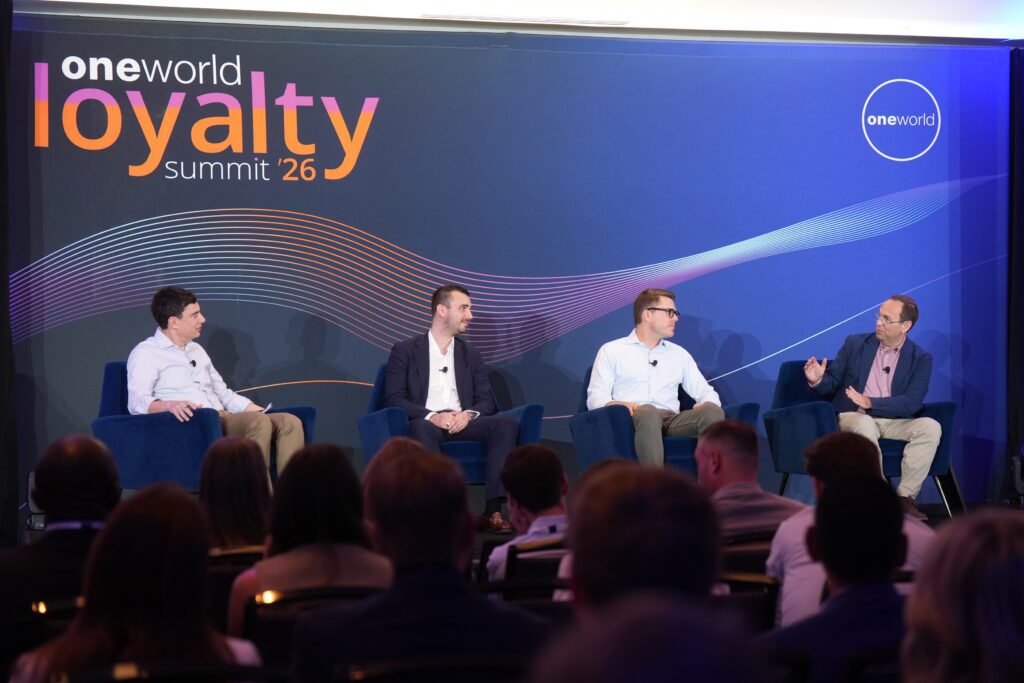
Historically, if I used Royal Jordanian status to enter an American Airlines lounge while flying American, Royal Jordanian didn’t get a bill. American was carrying me and bore the lounge cost. In a new interview, oneworld’s commercial chief describes a payment model that sounds like that arrangement may still apply, despite reporting that says the rules changed. Who pays for your lounge visit helps explain why airline alliances are so difficult to run. The airline that gives you status, the one selling you a ticket, and the one providing your benefits can all be different. Each wants the customer and the revenue, and they have to agree on who picks up the costs. Roger Blackburn, oneworld’s Vice President of Commercial and Loyalty, and Gilbert Ott, its Director of Loyalty (and former blogger of God Save the Points), talk about how this works in an unusually candid interview. It’s essentially herding cats, with airlines that compete for the same customers promising to take care of each other’s passengers. Blackburn explains that a lounge hosting another airline’s passenger gets paid by: …the airline who’s … lifting that customer out of the station. At least that’s how our model works. One Mile at a Time has said its understanding is that this changed, and that the program providing status now pays when status is the reason someone gets in. This affects the economics of status matches, for instance. An airline offering status to someone who mostly flies its partners has a very different cost calculation if it’s getting a bill for every lounge visit. The lack of billing was also a limiting factor on offering status matches (confined to a formula relative to the total size of the elite pool). Blackburn describes the lounge operator as delighted to have another airline’s passenger because they’re getting paid. That true when there are empty seats. When the lounge is full, another paid visit can make the experience worse for the airline’s own customers. I’ve written about American’s lounge visits growing several times as fast as its passenger traffic. Better lounges encourage more people to use them, and to stay longer. Improving the product creates demand for more space. That’s also why Blackburn’s explanation of where oneworld builds its own lounges is helpful. They want airports served by enough member airlines to keep a lounge busy across the day. One airline might struggle to justify the rent and staffing for a single daily departure. Several airlines with departures at different times can share a better facility. Delhi and Mumbai come up in the conversation, and Blackburn hopes to have more lounge news “fairly soon.” The banks competing for that space also help pay for the airlines’ products. Ott argues that credit card and loyalty revenue supports better lounges, seats, food and inflight connectivity. He’s largely right, and the case goes further: credit cards support more flights. An airline becomes more attractive to cardmembers when it flies where they need to go. It also needs destinations they want to redeem their miles for. Delta has explicitly connected its growth in Austin and Raleigh with acquiring American Express card customers. A flight that looks weak based only on ticket revenue might make sense once you count the card spending it helps generate. As I discussed in my recent piece on Scott Kirby and credit card economics, a customer might choose an airline’s card because its Chicago schedule works for their business travel, then redeem the miles for Hawaii. Assign all the card revenue to Hawaii and you can end up cutting the flights that made someone want your card in the first place. A better seat and lounge help sell that relationship, too. And an alliance makes the card more useful by offering places to spend miles that the airline doesn’t fly to itself. Of course airlines can manage this badly. Sell more miles while planes are full, without making enough desirable award seats available, and customers wind up with growing balances they struggle to use. Sell more lounge access without adding enough capacity and the customer gets a line at the door. The alliance has to get its members to participate in making those benefits valuable. Asked whether oneworld should set minimum protections around changes to earning, status qualification and award availability, Ott describes the programs as largely sovereign and emphasizes a spirit of cooperation. Asked how much say the alliance has over the number of award seats a member releases, he calls it a collaborative process. I’d put it a different way: an alliance trying to influence airlines is pushing on a string. It’s the problem I’ve written about with airlines holding back their best awards from partners. They want to offer their members access to everyone else’s seats. But making their own best seats available can benefit another airline’s credit card business, while keeping those seats for their own members can help sell their own miles. Ott makes the case that a redemption can introduce someone to an airline and turn them into a valuable customer. That’s true as far as it goes, but those seats have an opportunity cost and getting the airline with the seat to value that speculative future business enough to release it (for a foreign customer who might not travel with them often and probably won’t take their credit card) can be a challenge. So can getting the partner buying the award seat to pay enough to make that worthwhile. Blackburn says oneworld is improving how quickly miles reach accounts following a flight across the alliance, with everyone expected on a new standard by the end of the year. He also says oneworld’s earlier artificial intelligence round the world booking assistant is gone, despite earlier claims of a fivefold increase in booking conversions. The interview returns to the oneworld Loyalty Summit in September, where I spoke about how artificial intelligence gives customers better tools to choose rewards programs. (The summit photo below is courtesy of oneworld.) Ott mentions verifying elite status without relying on screenshots that someone can easily manipulate. I saw a presentation at the summit for a product that was basically Plaid for airline status: the customer logged into their existing airline account to demonstrate their status to another company. I questioned whether airlines would allow that access to their systems. Topics on this page
Oneworld Explains The Money Behind Your Lounge Access—And Why Credit Cards Help Decide Where Airlines Fly
Full Article
Original Source
Read the full article at Viewfromthewing →KhanList aggregates and links to publicly available news content. We do not host full articles from third-party sources. Always verify important information with original sources.