
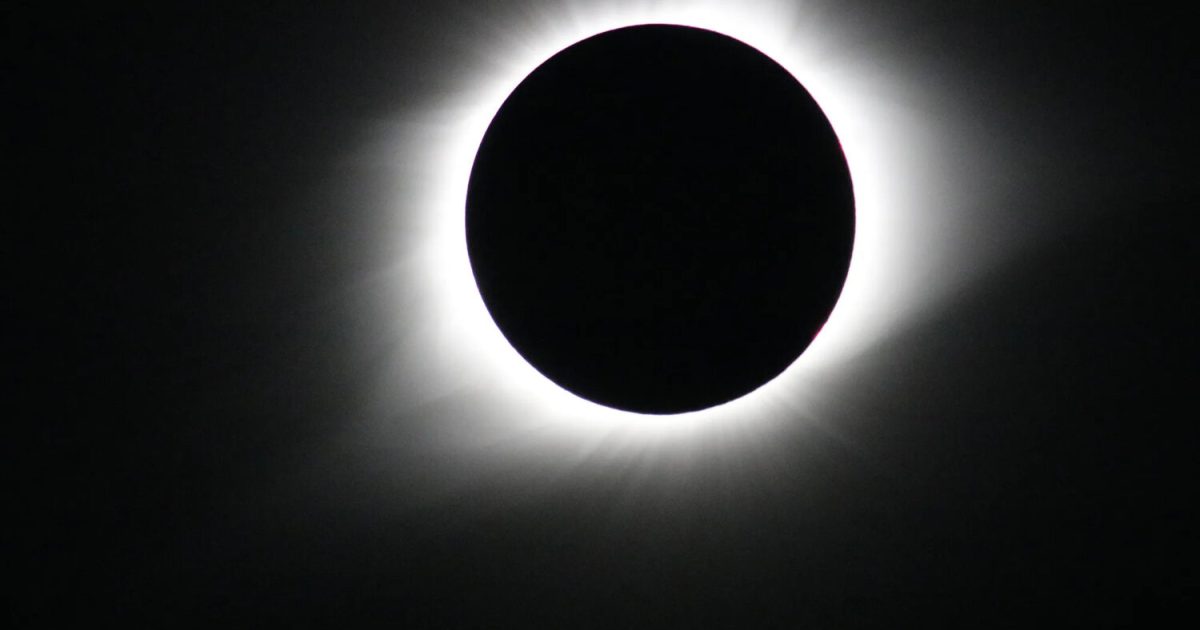
Today in the history of astronomy, a solar eclipse darkens skies ominously over ancient Greece. | Published: October 2, 2026 Many of the earliest-known human records of eclipses come from ancient China. Credit: NASA/Gopalswamy An ancient solar eclipse changed the course of a military conflict when it cast a shadow on a battle over Corinth between the Spartans, commanded by Cleombrotus, and the invading Persians, led by Xerxes I. Herodotus wrote that, “while [Cleombrotus] was offering sacrifice to know if he should march out against the Persians, the Sun was suddenly darkened in mid-sky.” As you might imagine, some 2,500 years ago, eclipses were not seen as good omens. This one, which astronomers now think occurred Oct. 2, 480 B.C.E., rattled Cleombrotus and caused a full retreat of the Spartan forces. Michael E. Bakich is a contributing editor for Astronomy magazine. With degrees in astronomy and planetarium education, he has led many eclipse tours, published several books on observing, and logged thousands of hours at the eyepiece.
Oct. 2, 480 B.C.E.: A eclipse causes a retreat
Full Article
Original Source
Read the full article at Astronomy →KhanList aggregates and links to publicly available news content. We do not host full articles from third-party sources. Always verify important information with original sources.