
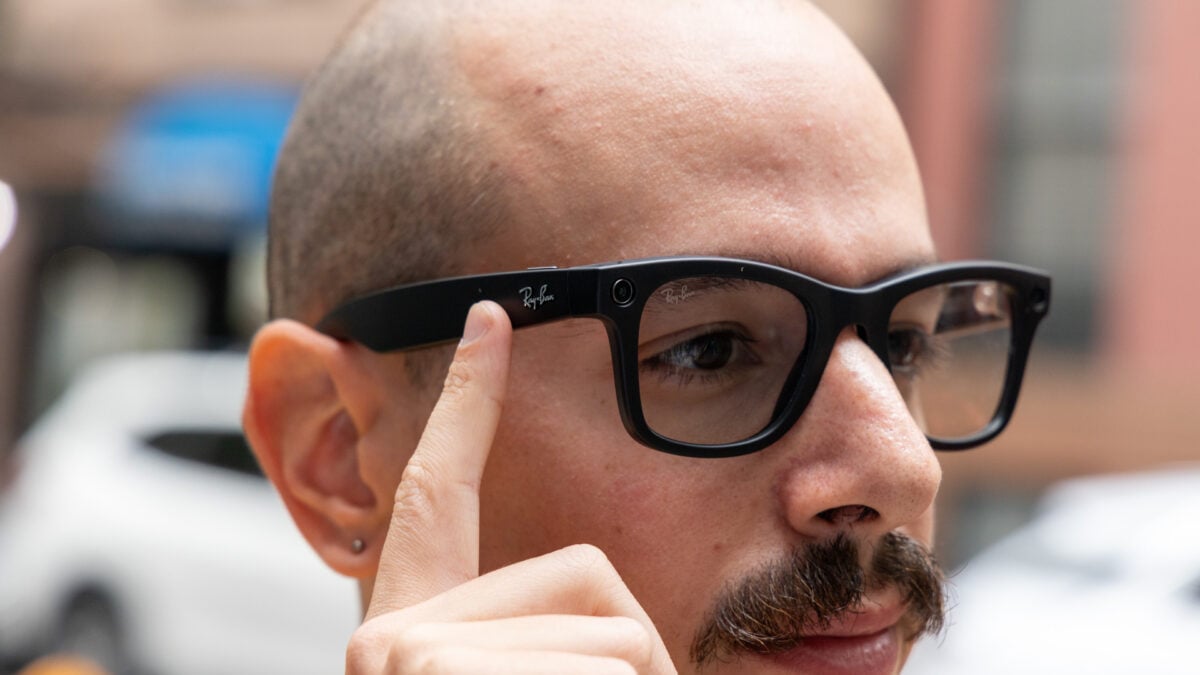
While rules on smart glasses in the U.S. have been fairly piecemeal, parts of Europe are taking a more wholesale approach, and in Norway’s case, that could mean a temporary ban on camera-clad glasses in a whole lot of public spaces. Norway’s parliament is set to propose a temporary ban that would apply to public spaces where it thinks people are at risk of being recorded discreetly, or generally, where large groups of people might gather, according to Reuters. That includes beaches, parks, or events, but also more sensitive areas like schools, pools, healthcare facilities, and changing rooms. The impetus for the ban is similar to pretty much every other ban of its kind: privacy concerns. With smart glasses becoming more accessible and popular than ever, fear over when and how they’re used has also grown, thanks in part to cases of harassment, extortion, cheating, and bystanders generally being recorded without their knowledge. Those fears have resulted in lots of backlash and also regulation. New York, for example, has prohibited the use of smart glasses in courts statewide, while Hamburg, Germany, has moved forward with rules that are similar to Norway’s, banning smart glasses on public transit and at public pools. While Norway’s ban is a temporary one, it points to the likelihood of more concrete regulations in the future—a time out until the country fully figures out exactly where and how people should be using smart glasses. One thing that Norway will have to determine is whether the ban will apply only to glasses with cameras or whether there will be rules regarding camera-less options like the kind made by companies like Even Realities. While camera-less smart glasses might not carry the same risks in terms of being used to record others without their knowledge, they could easily be used in controlled settings like tests or in court, for example. Reuters reports that Norway’s government in parliament is planning to propose the ban “as soon as possible” and then set up an advisory panel to determine what said ban looks like. While U.S. states haven’t been as quick to roll out their own rules, nor has there been any federal guidance on the category, it would appear the needle is moving on the whole, and that could mean a lot more scrutiny for fans of face-worn cameras.
Norway Considers Most Drastic Smart Glasses Ban Yet
Full Article
Original Source
Read the full article at Gizmodo →KhanList aggregates and links to publicly available news content. We do not host full articles from third-party sources. Always verify important information with original sources.