
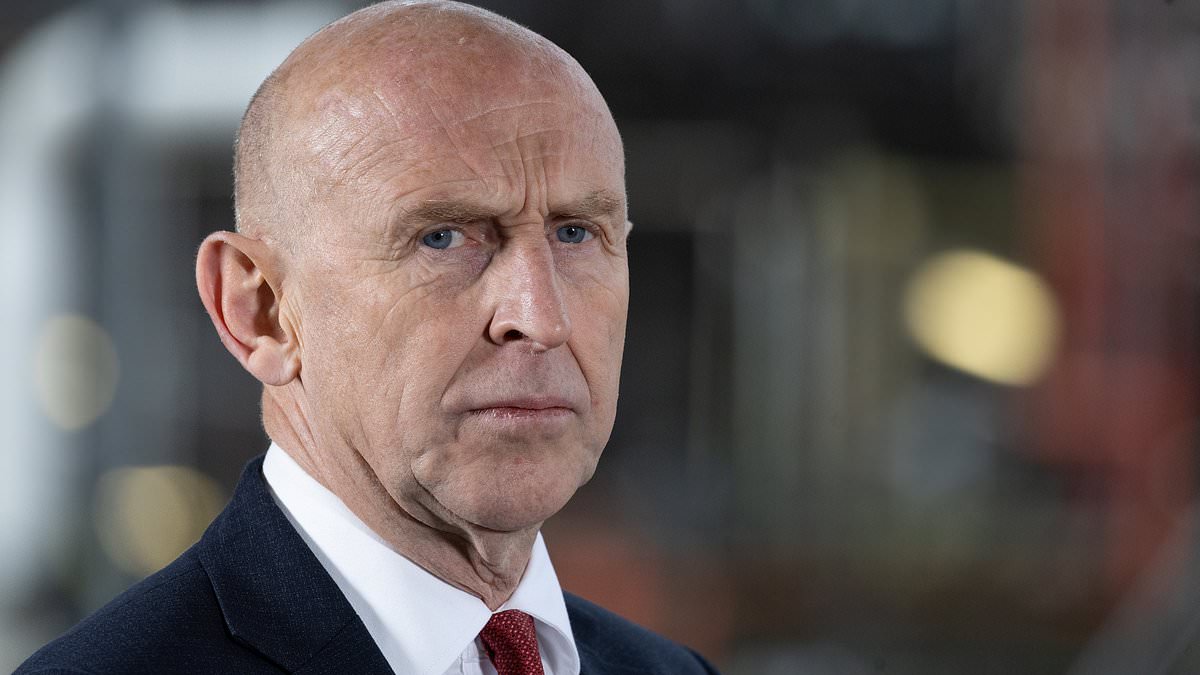
Published: 07:36 EDT, 23 October 2026 | Updated: 07:39 EDT, 23 October 2026 Almost nine in 10 Brits have taken action to try and reduce their spending amid the cost of living squeeze, a new poll has shown.A Savanta survey, conducted ahead of next week's Budget, found 87 per cent have taken at least one action to try and reduce household spending in the last six months.This includes two-thirds (67 per cent) who have cut back on non-essential spending, such as eating out or socialising.About half (51 per cent) have reduced how much they use the heating at home to lower their energy bills.Two in five (40 per cent) have changed which supermarket they shop at to cut their grocery costs.And 37 per cent have cut back on car journeys to reduce fuel costs, according to the poll carried out on behalf of the Institute of Research and Reforms (IRR) International. Chancellor John Healey, who will deliver his Budget next Wednesday, has said he will 'look to do more' to provide 'breathing space' on living costsOnly 13 per cent said they had taken none of those actions to reduce their household spending. It comes as figures published this week showed inflation has risen to its highest rate in almost a year as surging petrol and diesel prices push up the cost of living.The rate of Consumer Prices Index (CPI) inflation was 3.5 per cent in September, up from 3.1 per cent in August, the Office for National Statistics (ONS) said. This was the highest rate since the 3.6 per cent recorded in October 2025, and came in above the 3.4 per cent that most economists had been expecting for the month. Fuel costs have been soaring because of US President Donald Trump's war with Iran, which has squeezed global oil and gas supplies.Chancellor John Healey, who will deliver his Budget next Wednesday, has said he will 'look to do more' to provide 'breathing space' on living costs.There is widespread speculation that Mr Healey will focus support for only those on benefits in his fiscal package next week.Mr Healey is also set to use the Budget to detail how the Government will pay for a £4.7billion hole in current defence spending plans.But the Chancellor is not expected to lay out a path to spending 3 per cent of GDP on defence by 2030 - or 3.5 per cent by 2035 - despite him resigning as defence secretary from Keir Starmer's administration over the issue earlier this year.This is despite continued Tory demands for the Government to slash welfare spending in order to give more cash to the Armed Forces amid the threat from Russia.The Savanta poll found 44 per cent of Brits are in favour of slashing welfare payments so that more can be spent on the military.This compares to one third (34 per cent) who oppose squeezing benefits in order to increase the Ministry of Defence budget.Cutting welfare payments was one of five options for finding more money for defence that was given to voters in the poll.Nearly two-thirds (63 per cent) support a reduction in foreign aid spending, but there was little backing for more borrowing, higher taxes, or cuts to public services.Ali Rehman Malik, Chairman of IRR International, said: 'The Government faces clear limits on what the public is willing to accept to fund higher defence spending.'Tax rises and cuts to essential public services meet strong opposition.'With almost nine in 10 respondents reporting reductions in household spending, ministers must recognise the economic pressures against which these decisions are being considered.'Savanta polled 2,130 UK adults online between 16 and 19 October.
Nine in 10 Brits say they have taken action to try and reduce their spending amid cost of living squeeze - with half cutting back on heating use
Full Article
Original Source
Read the full article at Dailymail →KhanList aggregates and links to publicly available news content. We do not host full articles from third-party sources. Always verify important information with original sources.