
NewHydrogen is evaluating a research facility in Utah as a potential site for a pilot plant that would use heat, rather than electricity, as the primary energy input for split water into hydrogen and oxygen. The company has signed a non-binding collaboration with the Utah San Rafael Energy Lab (USREL) to assess its facility in Orangeville, Utah. The initial study will examine available infrastructure, utilities, and permitting requirements as NewHydrogen prepares for what it describes as the next stage of its ThermoLoop technology. A different way to split water Most clean hydrogen produced from water today relies on electrolysis, in which electricity is used to separate water molecules into hydrogen and oxygen. Thermochemical water splitting takes a different approach, using high-temperature heat and chemical reactions to drive the separation. The U.S. Department of Energy identifies thermochemical water splitting as a potential pathway for producing hydrogen using heat from sources including concentrated solar power and advanced nuclear reactors. Depending on the process, temperatures can range from roughly 500°C to 2,000°C. ThermoLoop is NewHydrogen’s attempt to develop a version that operates through near-isothermal chemical reactions. The company says its process uses specially developed materials that cycle through different phases, allowing the reactions to occur at nearly the same temperature. NewHydrogen says its current work aims is operate below 1,000°C. That could matter because producing hydrogen through electrolysis requires large amounts of electricity, while a thermochemical system can potentially use heat directly. The economics, however, depend heavily on the source and cost of that heat as well as the efficiency, durability, and cost of the chemical materials and reactor. Those remain important challenges for thermochemical hydrogen generally. DOE notes that researchers still need to improve the durability and efficiency of reaction materials and develop reactors that can operate reliably through repeated high-temperature cycles. Utah could provide a useful test environment The proposed pilot would be much smaller than NewHydrogen’s eventual commercial ambitions. The company describes it as a bridge between its Engineering Test Unit and potential gigawatt-scale hydrogen production. USREL could provide an interesting location for that transition. The Orangeville facility has more than 30,000 square feet of research space and more than 40 acres of state-controlled land, alongside additional adjacent industrial land. Its activities span nuclear energy, power-cycle technology, solar energy, and manufacturing. The facility is also becoming a testbed for advanced nuclear technologies. USREL is hosting projects involving companies including Valar Atomics and NuCube Energy, giving the site experience with high-temperature nuclear systems and industrial heat applications. That is relevant to NewHydrogen’s longer-term plans. The company has proposed pairing ThermoLoop with heat from small modular reactors, potentially using nuclear heat directly for hydrogen production rather than first converting that heat into electricity. The companies are only assessing whether the site is suitable, and the collaboration is non-binding. If the assessment leads to a future deployment, it would provide a useful test of whether NewHydrogen’s heat-driven approach can move beyond laboratory demonstrations toward continuous operation at a larger scale. That transition is where the technology will face its hardest test. Producing hydrogen in the laboratory is one challenge; maintaining chemical materials, heat transfer, reactor operation, and hydrogen production continuously and economically is another.The assessment isn’t yet a hydrogen-production milestone. It is an early step toward finding out whether ThermoLoop can make the much bigger jump from experimental technology to an operating pilot plant.Get the latest in engineering, tech, space & science - delivered daily to your inbox.Kaif Shaikh is a journalist and writer passionate about turning complex information into clear, impactful stories. His writing covers technology, sustainability, geopolitics, and occasionally fiction. A graduate in Journalism and Mass Communication, his work has appeared in the Times of India and beyond. After a near-fatal experience, Kaif began seeing both stories and silences differently. Outside work, he juggles far too many projects and passions, but always makes time to read, reflect, and hold onto the thread of wonder.
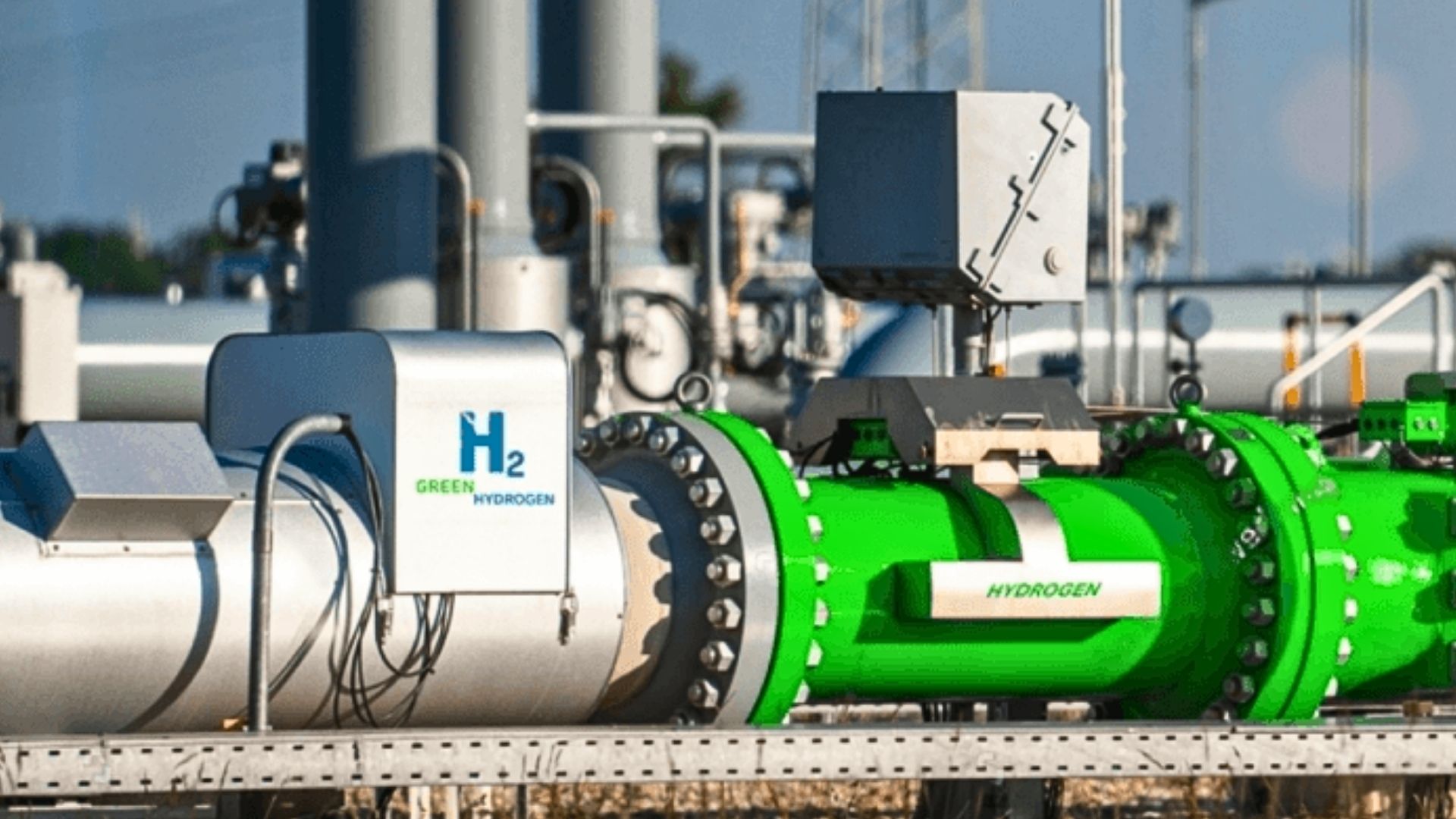
NewHydrogen evaluates Utah site for pilot plant utilizing heat to make hydrogen
Full Article
Original Source
Read the full article at Interestingengineering →KhanList aggregates and links to publicly available news content. We do not host full articles from third-party sources. Always verify important information with original sources.