
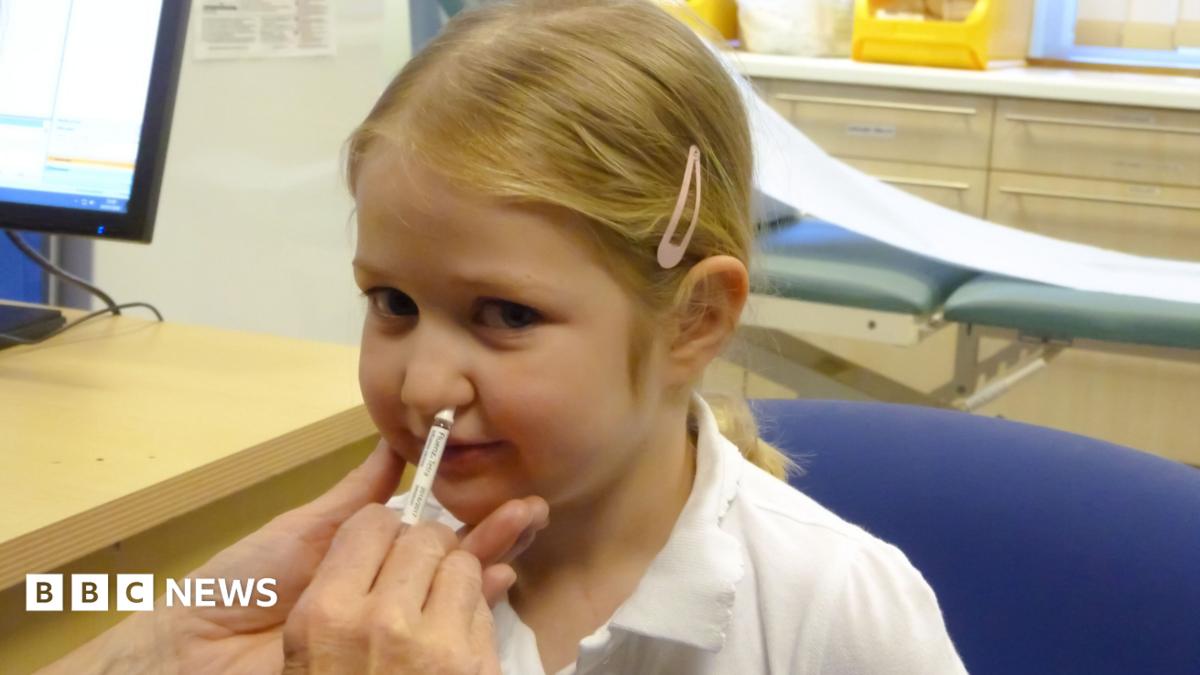
Last winter's flu season was unexpected, beginning more than a month earlier than usual, external with the Super-K strain.Super flu is not a medical term, and it does not mean the virus has become harder to treat, just that people are yet to build up immunity against it.Flu vaccines are updated annually to ensure they are a good match for the type of flu circulating. Influenza viruses constantly mutate and experts have to predict these changes ahead of time.This year's vaccine has had a few tweaks, including one to better match subclade K.It is not clear when flu will hit this year, and whether it will be a bad season. But experts often look to southern hemisphere countries, like Australia and New Zealand, to gain a better understanding of how the UK could be affected.Their flu season peaks in July or August, and these countries have so far had a relatively mild year in terms of cases.Dr Amanda Doyle from NHS England said it was best to be cautious."Last year's flu season came early and was made worse by a new variant, which had a major impact for patients and put enormous pressure on urgent and emergency care services across the country," she said."With the NHS experiencing its busiest summer on record, staff have started preparing for this winter earlier than ever – and with services already under significant pressure, it is vital that everyone offered the vaccine comes forward."Everyone is at risk of catching flu. It does not matter how fit and healthy you are, or your age.Dr Doyle said: "Flu can really knock you for six, and for some children and pregnant women it can mean becoming seriously ill or ending up in hospital."The vaccine cannot give you flu. Instead, it helps your body know how to fight the virus.Children, from the age of two upwards, get a nasal spray version, while adults have an injection. A single dose is all that is needed to offer protection ahead of winter.High Street pharmacies are offering NHS flu vaccines, along with GPs and schools. People who do not qualify for a free jab can pay about £10 to £20 for one.School children and pregnant women can get a free NHS flu vaccine from September onwards. You can get a free one from October if you:are a child aged two or older who has not started school yetare aged 65 or overhave certain long-term health conditionslive in a care homeare the main carer for an older or disabled person, or receive a carer's allowancelive with someone who has a weakened immune systemare experiencing homelessness or staying in a homeless hostel or night shelterMore adults are also being offered another vaccine this winter to protect against RSV or Respiratory Syncytial Virus, which attacks the lungs.From this September, adults will be invited to have the vaccine when they are 65, rather than waiting until 75, if they have certain pre-existing health conditions, such as chronic lung disease.
New super flu vaccine rollout begins as NHS regroups from 'busiest summer'
Full Article
Original Source
Read the full article at Bbc →KhanList aggregates and links to publicly available news content. We do not host full articles from third-party sources. Always verify important information with original sources.