
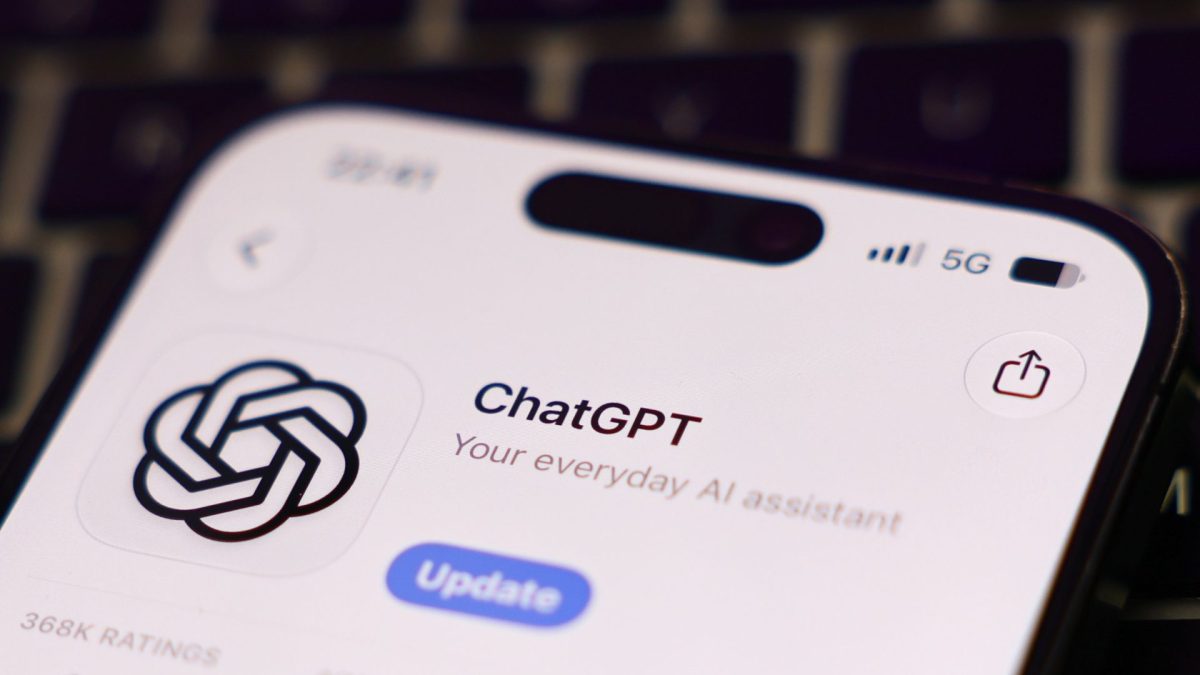
People who use AI to help with their taxes could find their conversations coming under scrutiny as HMRC expands its powers to inspect digital records. Taxpayers who use tools such as ChatGPT could be affected by the proposed changes, which will see HMRC increase the access it has to online records to determine if people have paid the right amount of tax. Those who fail to respond to HMRC’s information requests could be hit with an initial fine of £300, rising to £3,000 for people who don’t report inaccuracies. The move has raised concerns about how much access HMRC could have to people’s private online conversations, with the TaxPayers’ Alliance warning that it would be an invasion of privacy. Could HMRC really inspect your AI conversation history? There are a growing number of people who use AI to help with their taxes. Someone who is self-employed, for example, might ask a tool which expenses they can claim, while a landlord might use it to understand the tax implications of rental income. The Government’s proposals are designed to update HMRC’s existing powers so it can access relevant records held in digital systems, including information about how financial figures have been calculated. However, it does not mean HMRC will automatically be able to read everyone’s private chatbot conversations. HMRC must have a lawful basis to request information, and it must be reasonably required to check someone’s tax position. What does this mean if you use AI to calculate your tax?David Stirling, director and financial adviser at Mint Wealth, said taxpayers should remember that information entered into AI tools could become relevant if HMRC investigates how their tax figures were produced. He said: “If your chatbot helped calculate your tax bill, assume the workings could one day be scrutinised, so don’t type anything you wouldn’t fancy explaining to the taxman.” According to a recent study by Lloyds Banking Group, more than 28m UK adults – roughly 56 per cent of the adult population – have used AI tools for personal finance, budgeting, or financial advice. Taxpayers should remember that AI-generated answers are not always accurate and they remain responsible for ensuring their return is accurate and paying the correct amount. Who could be affected? The changes could be particularly relevant to self-employed workers, landlords and small business owners who use digital tools to manage their financial records. For example, a freelancer who uses AI-powered software to organise invoices and calculate business expenses may need to explain how figures in their accounts were reached if HMRC opens an investigation. The proposals could also affect financial service providers, software companies and other intermediaries that hold or manage information relevant to taxpayers’ affairs. The Government says the reforms are intended to help HMRC access relevant information more efficiently and strengthen its ability to tackle tax avoidance and evasion. Why has the proposal prompted concerns? Anne Strickland, researcher at the TaxPayers’ Alliance, said: “Forcing taxpayers to hand over private AI conversations would be a deeply intrusive overreach by the taxman. “HMRC already has sweeping powers and expanding them further risks trampling over the privacy of ordinary Britons. Ministers must rein in the tax authority and ensure that this never becomes implemented.” Nimesh Shah, chief executive of Blick Rothenberg, added: “Taxpayers (and advisers) should be concerned that the amount of data potentially within HMRC’s reach could expand significantly as businesses increasingly move to AI systems, the cloud and automated software. “The challenge will be ensuring that these powers remain proportionate. “If a taxpayer uses an AI platform to help prepare tax computations, there will inevitably be questions about where HMRC draws the line between information genuinely relevant to a tax enquiry and broader material that may be commercially sensitive or contain personal data.” But the Government says existing safeguards will remain in place and the reforms do not change the purpose for which information can be requested. Should you stop using ChatGPT for your finances? There is no need for most taxpayers to stop using AI altogether, but people should be careful about what information they share and avoid relying on chatbots as their only source of tax advice. Financial adviser Zoe Dagless said: “I suspect this would only be used in more complex cases, perhaps where there are concerns around tax avoidance or deliberate non-compliance. “I certainly don’t think HMRC are going to start checking everyone’s digital footprint. Aside from anything else, they simply wouldn’t have the resources to do that on any meaningful scale.” She warned that whilst chatbots can be useful for explaining unfamiliar tax terminology, organising financial information and helping people understand complicated rules, answers are not always accurate and should be checked against official HMRC guidance or with a qualified accountant. People should also think carefully before entering sensitive financial details, including information about their income, bank accounts or business activities, into AI platforms. An HMRC spokesperson said: “This is about updating our existing information powers to reflect how tax information is now stored and processed digitally. “It is not about going through everyone’s use of large language models. We can only request information where we already have a lawful basis to do so.”
New rule lets HMRC snoop on taxpayers’ AI chat history – what you need to know
Full Article
Original Source
Read the full article at Inews →KhanList aggregates and links to publicly available news content. We do not host full articles from third-party sources. Always verify important information with original sources.