
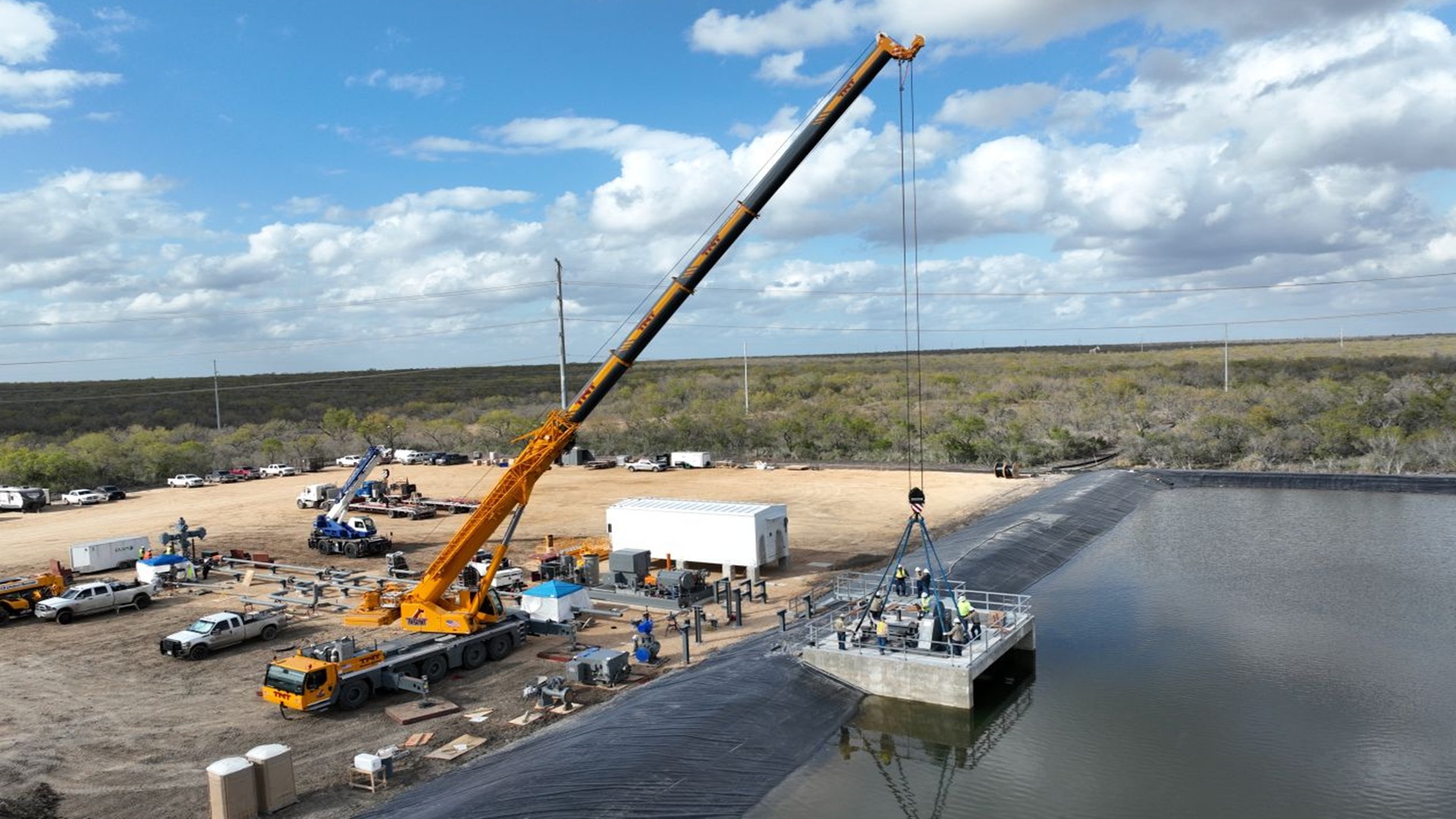
Sage Geosystems, a US developer of enhanced geothermal systems, and Japan’s Chiyoda Corporation, an engineering company specializing in large industrial facilities, are studying a new way to turn heat and pressure deep underground into steady electricity. The companies have signed a memorandum of understanding to assess the surface equipment needed for a commercial-scale enhanced geothermal system (EGS). The study will focus on facilities that can handle high-pressure, high-temperature fluid brought up from engineered underground reservoirs. Sage’s EGS approach starts by drilling into hot rock and creating an engineered reservoir. Water is injected underground, where it absorbs heat and builds pressure before flowing back toward the surface. The system is designed to retain more of that pressure and water, which could improve the efficiency and economics of geothermal generation. Unlike conventional geothermal plants, which depend on naturally occurring underground resources, EGS uses drilling and reservoir-management techniques developed in the oil and gas industry. That could allow geothermal projects to operate in locations that have traditionally been considered unsuitable for geothermal development. Hot rock stores heat pressure The joint study will examine how the underground resource can be connected to a surface power system. Chiyoda will use information from Sage on wellhead pressure, temperature, fluid properties and operating conditions to assess major equipment configurations, energy balances and expected costs. The companies will also estimate capital and operating expenses and the cost of generating electricity. Those calculations are important because the technical ability to extract heat from hot rock does not automatically translate into an economically viable power plant. Sage’s system is also being developed for energy storage. Instead of using the underground reservoir only to generate electricity, surplus electricity could be used to store pressure energy underground. That stored energy could then be recovered when electricity demand rises. “Chiyoda’s expertise in engineering complex, high-pressure industrial facilities makes it an ideal partner as we move Sage’s proprietary EGS approach toward commercial scale. This collaboration is a significant step in proving out the surface infrastructure needed to convert our subsurface innovation into gigawatt-scale power generation and long-duration energy storage,” said Shayne Dustin, SVP Engineering & Development at Sage. Geothermal moves beyond natural limits The ability to generate electricity continuously is one of geothermal power’s main advantages over weather-dependent renewable sources. EGS could potentially make that advantage available across a much wider geographic area. The companies see potential applications in data centers, industrial facilities, community microgrids and critical infrastructure, where reliable electricity is increasingly important. “Geothermal energy has significant untapped potential, and next-generation technologies like Sage’s are key to unlocking it. This collaboration brings together Chiyoda’s engineering strength in high-pressure facility design with Sage’s subsurface methodologies. Together, we aim to accelerate the path to commercial-scale deployment and deliver a dependable, low-carbon power source,” said Ken Kimeta, Head of Business Co-Creation, Assistant Division Director of Business Development & Growth Transformation Division at Chiyoda.The study has been selected for support under the Tokyo Metropolitan Government’s TIB CATAPULT program and aligns with Tokyo’s Zero Emission Tokyo Strategy.Get the latest in engineering, tech, space & science - delivered daily to your inbox.With over a decade-long career in journalism, Neetika Walter has worked with The Economic Times, ANI, and Hindustan Times, covering politics, business, technology, and the clean energy sector. Passionate about contemporary culture, books, poetry, and storytelling, she brings depth and insight to her writing. When she isn’t chasing stories, she’s likely lost in a book or enjoying the company of her dogs.
New geothermal system uses underground pressure to deliver steady, low-carbon power
Full Article
Original Source
Read the full article at Interestingengineering →KhanList aggregates and links to publicly available news content. We do not host full articles from third-party sources. Always verify important information with original sources.