
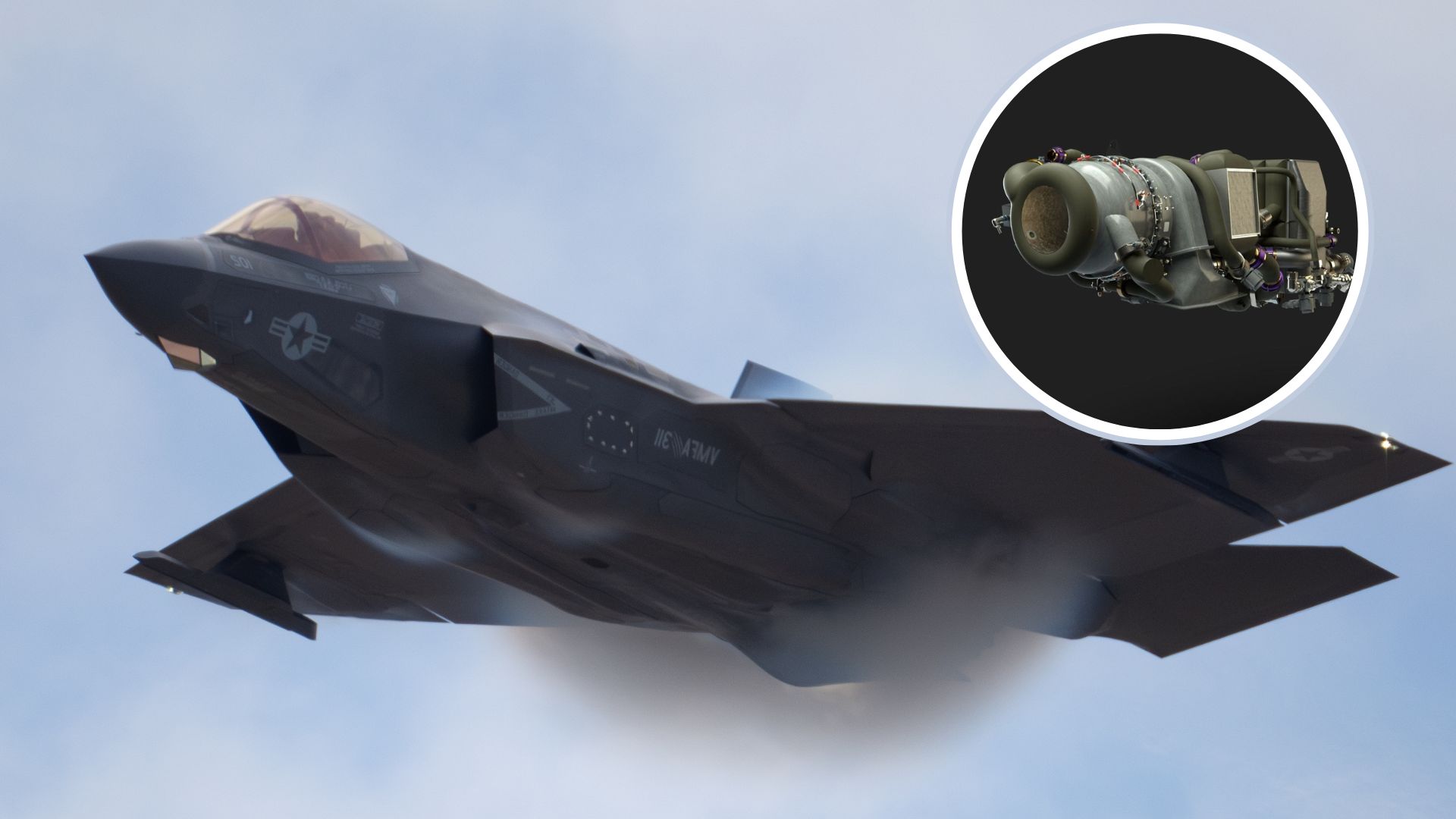
Collins Aerospace has completed altitude testing of a new power and cooling system designed to give the F-35 more thermal capacity for future technology upgrades. The system, called the Enhanced Power and Cooling System, or EPACS, underwent several days of testing under conditions intended to replicate aircraft mission demands. Engineers also pushed the system across different altitude conditions to gather performance data. The test marks another development milestone for a technology Collins Aerospace expects to support the F-35 and future military and commercial aircraft. Modern aircraft face growing demands from onboard electronics. New sensors, computing hardware and mission systems can generate significant heat, creating pressure on existing cooling systems. EPACS aims to provide additional thermal margin for those future upgrades. That extra capacity could allow the F-35 to accommodate new equipment without exceeding its thermal limits. Cooling room for upgrades Collins designed EPACS as a next-generation power and thermal management system for the F-35. The technology combines aircraft power management with increased cooling capacity. That matters as the fighter receives new mission systems throughout its operational life. More capable electronics often require more electrical power. They also create additional heat that aircraft systems must remove. EPACS is intended to address both challenges. The recent testing examined how the system performed under power levels that reflected expected mission requirements. Engineers operated it for several days and evaluated its performance across multiple simulated altitudes. Ira Grimmett, a Collins Aerospace vice president, said the completed tests provided evidence that the system can operate under flight-like conditions. “Successful altitude testing validates system performance in real-world flight conditions,” Grimmett said. He added that the results advance the system’s development and increase confidence in its performance. Engineers also tested the system near its operational limits. Collins said those trials generated data for its performance models and demonstrated EPACS could provide the emergency power required during operation. Step toward integration Altitude testing serves as an early risk-reduction stage for new aircraft systems. It allows engineers to examine performance before the technology moves further through development and integration. Collins had already reached another important milestone in 2025. The company said EPACS had met requirements for integration with the aircraft. The new altitude tests move the program further along that path. The work also reflects a broader challenge facing modern combat aircraft. Advanced electronics continue to demand greater amounts of power and generate more heat inside increasingly complex platforms. Cooling capacity can therefore become a limiting factor for future upgrades. Beyond the F-35 Collins sees applications beyond the F-35. The company said the underlying technology could also support future defense and commercial aircraft. That gives EPACS a potentially broader role as aircraft designers confront similar power and thermal challenges. The F-35 aircraft will continue receiving new technology throughout its service life, and those upgrades will need enough electrical power and cooling capacity to operate. EPACS is designed to create that additional margin.With altitude testing now complete, Collins has added another layer of performance data to the program. The system still faces further development before deployment, but the latest results bring its expanded cooling capability closer to the aircraft it was built to support.Get the latest in engineering, tech, space & science - delivered daily to your inbox.Aamir is a seasoned tech journalist with experience at Exhibit Magazine, Republic World, and PR Newswire. With a deep love for all things tech and science, he has spent years decoding the latest innovations and exploring how they shape industries, lifestyles, and the future of humanity.
New cooling system for 1,200-mph F-35 jet beats altitude tests to power future upgrades
Full Article
Original Source
Read the full article at Interestingengineering →KhanList aggregates and links to publicly available news content. We do not host full articles from third-party sources. Always verify important information with original sources.