
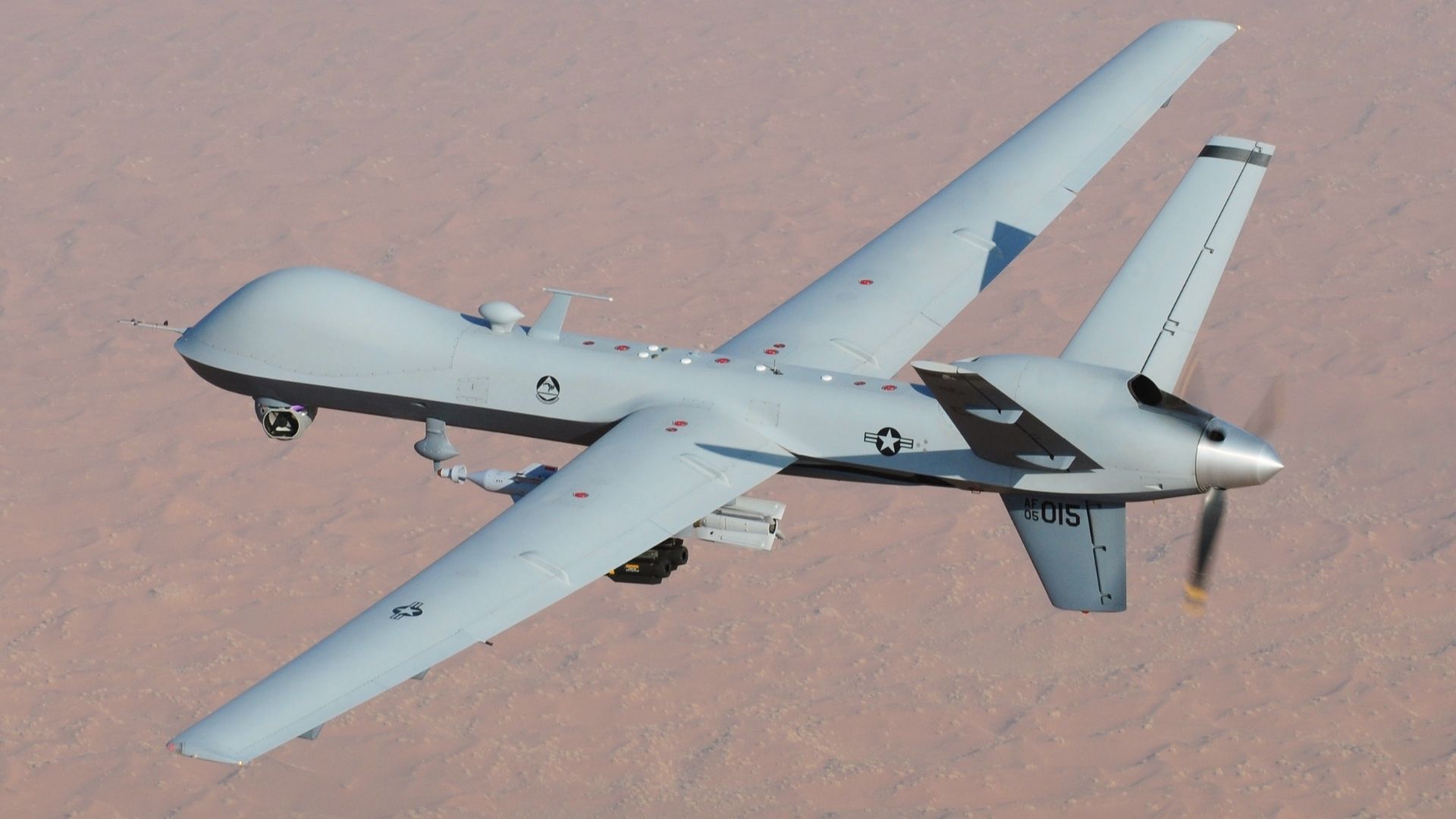
Continuous Composites has secured a U.S. Navy Phase II SBIR contract for a new approach to UAV manufacturing. The company will develop composite aircraft components that can carry electrical power through conductors embedded inside their structures. The work could reduce the wiring and connectors currently needed across unmanned aircraft. It also aims to turn structural components into active parts of the aircraft’s electrical system. Continuous Composites will use its CF3D process for the project. The manufacturing technology deposits continuous reinforcement during 3D printing. That approach gives engineers greater control over how materials sit within a finished composite component. It also creates opportunities to incorporate electrical functions during the manufacturing process. Conductors become structural elements The Navy-funded work builds on demonstrations completed during Phase I. Engineers produced fiberglass-reinforced panels with conductive elements printed directly into the composite. Those tests included copper wiring and fiber-optic components. Mechanical testing examined whether the added materials weakened the resulting structures. The results showed minimal effects on structural performance. Electrical testing also helped validate the basic concept for multifunctional composite parts. Phase II will push the idea toward higher-capacity electrical pathways. Engineers will study how those pathways can fit within components that must withstand operational loads. Material placement will become especially important at this stage. Conductors need electrical isolation without creating weak points inside the composite. The team will test the manufacturing process at the coupon and sub-scale structure level. Those experiments should reveal how much electrical functionality engineers can integrate into load-bearing parts. Simpler UAV architecture The potential payoff extends beyond eliminating a few wires. Aircraft designers could gain more freedom when arranging electrical systems inside compact UAV structures. Traditional wiring requires dedicated routing, connectors, and attachment points. Those components can add complexity and create additional areas that require maintenance. An integrated approach could combine structural and electrical functions within the same component. That could help simplify the internal architecture of future unmanned aircraft. Field maintenance could also benefit. Damaged components could potentially be swapped without disturbing separate wiring assemblies running through the airframe. That matters for military UAVs operating in environments where repair time and reliability can directly affect mission availability. Fewer exposed connections could also reduce the chances of electrical damage during maintenance. Continuous Composites CEO Steve Starner said the project moves the company beyond printing structural components alone. The focus now includes placing useful functions directly into those structures. Full demonstration ahead The Phase II program will run for 30 months. Engineers will focus on materials, manufacturing validation, and embedded conductor integration during that period. A one-year option follows the research phase. It could support a system-level demonstration using a functional component. Such a demonstration would provide an important test of whether the manufacturing concept can move beyond laboratory-scale structures. The long-term objective is to bring the technology closer to operational UAV applications. The Navy effort fits into a wider Pentagon push to reduce complexity across military platforms. Multifunctional composites could offer one way to achieve that goal without treating every aircraft function as a separate subsystem. Get the latest in engineering, tech, space & science - delivered daily to your inbox.Aamir is a seasoned tech journalist with experience at Exhibit Magazine, Republic World, and PR Newswire. With a deep love for all things tech and science, he has spent years decoding the latest innovations and exploring how they shape industries, lifestyles, and the future of humanity.
New continuous-fiber 3D printing turns military drone structures into power pathways
Full Article
Original Source
Read the full article at Interestingengineering →KhanList aggregates and links to publicly available news content. We do not host full articles from third-party sources. Always verify important information with original sources.