
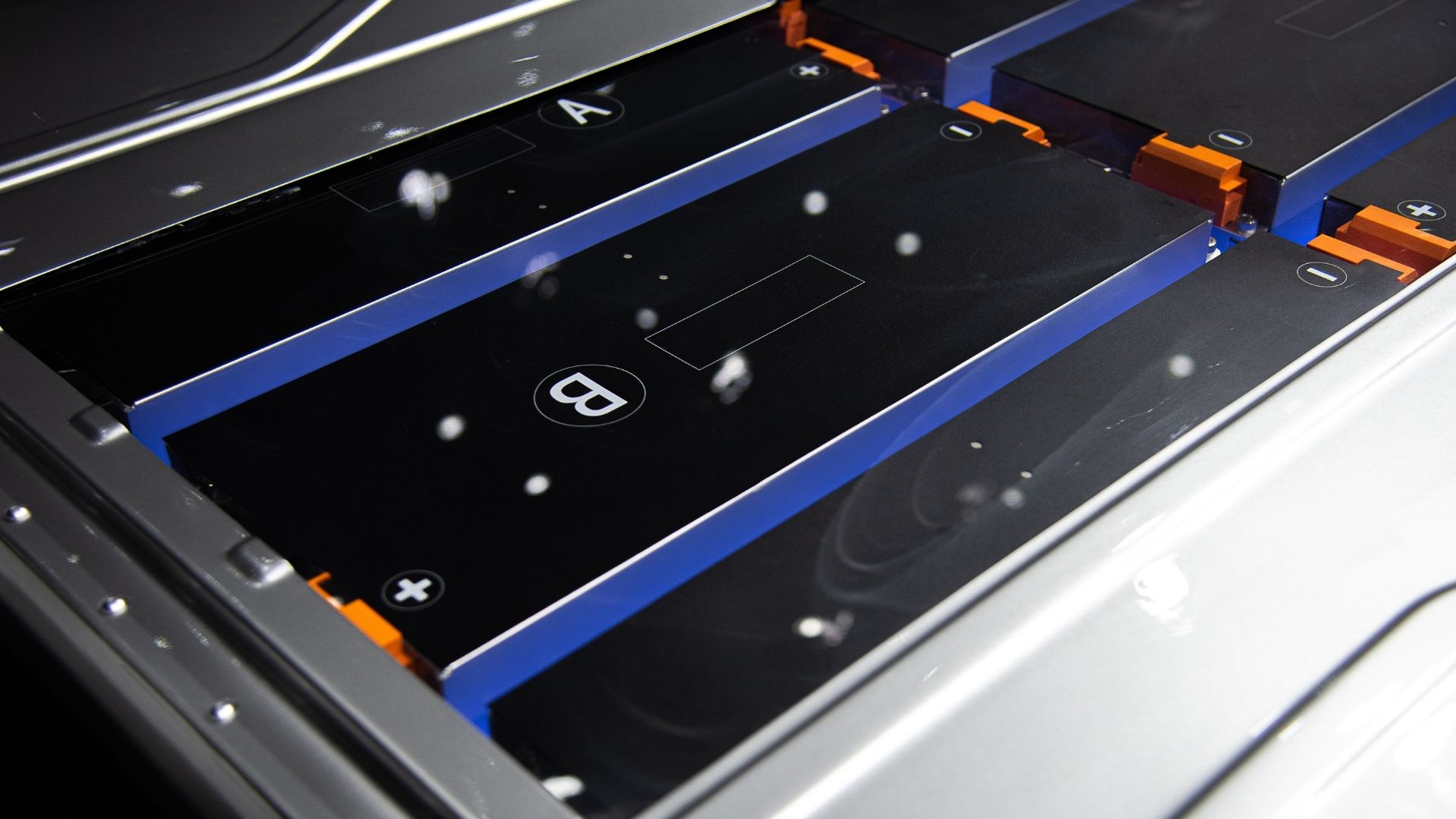
Chinese researchers have developed a high-stability lithium metal pouch cell with an energy density exceeding 600 Wh/kg, potentially addressing the limited flight endurance of drones and electric vertical take-off and landing aircraft. The battery was created by a joint team from Tianmushan Lab and Tsinghua University using a new electrolyte additive designed to protect both electrodes. The research targets stability, cycle life, and safety problems that have restricted the commercial use of high-energy lithium metal batteries. Battery reaches 602.5 Wh/kg Commercial lithium-ion batteries typically use graphite anodes and are approaching a theoretical energy density limit of about 350 Wh/kg. That ceiling makes it increasingly difficult for conventional batteries to meet the endurance requirements of emerging electric aircraft. Lithium metal offers a higher-capacity alternative, but it introduces significant technical challenges. Electrolyte decomposition can occur under high-voltage operating conditions, while needle-like lithium dendrites can grow on the anode. These dendrites reduce battery stability and can create safety risks. Researchers have consequently struggled to achieve high energy density without sacrificing cycle life or safe operation. The Chinese team tested its electrolyte design in 10Ah pouch cells equipped with high-nickel ternary cathodes. These cells achieved an energy density of 550.7 Wh/kg and retained 80 percent of their original capacity after 180 cycles. When the researchers paired the lithium metal anode with a lithium-rich manganese-based cathode, the reversible specific energy climbed to 602.5 Wh/kg. According to the reported results, this represents an improvement of more than 50% compared with mainstream power batteries currently available. New additive protects both electrodes The advance relies on what the researchers describe as an additive-strong coordination solvation structure. This approach uses a new electrolyte additive to control the reactions taking place at the battery’s electrodes. On the cathode, the additive forms a thin and dense protective film. This layer helps reduce damage to the cathode material during repeated high-voltage charging and discharging. The additive also creates a stable interface layer on the lithium metal anode. That interface suppresses lithium dendrite formation, improves the efficiency of lithium-ion transport, and reduces the associated safety risks. By protecting both sides of the cell, the electrolyte design attempts to balance properties that have been difficult to achieve simultaneously in lithium metal batteries: high energy density, cycling stability, and safer operation. Longer flights remain a future goal The research could eventually support China’s growing low-altitude economy, where drones and eVTOL aircraft are being developed for a range of commercial applications. Their broader adoption, however, remains constrained by the amount of energy batteries can store without adding excessive weight. A battery with energy density at the 600 Wh/kg level could carry substantially more energy for the same battery mass than existing commercial cells. That could help electric aircraft remain airborne longer, although the study did not provide specific flight-time estimates. The technology is also not yet ready for commercial deployment. The researchers said it remains at the laboratory research stage and will require further technical development before it can be manufactured at scale. The research was published in Nature Communications journal. Get the latest in engineering, tech, space & science - delivered daily to your inbox.Atharva is a full-time content writer with a post-graduate degree in media & amp; entertainment and a graduate degree in electronics & telecommunications. He has written in the sports and technology domains respectively. In his leisure time, Atharva loves learning about digital marketing and watching soccer matches. His main goal behind joining Interesting Engineering is to learn more about how the recent technological advancements are helping human beings on both societal and individual levels in their daily lives.
New Chinese battery reaches 602.5 Wh/kg, promises longer drone flight times
Full Article
Original Source
Read the full article at Interestingengineering →KhanList aggregates and links to publicly available news content. We do not host full articles from third-party sources. Always verify important information with original sources.