
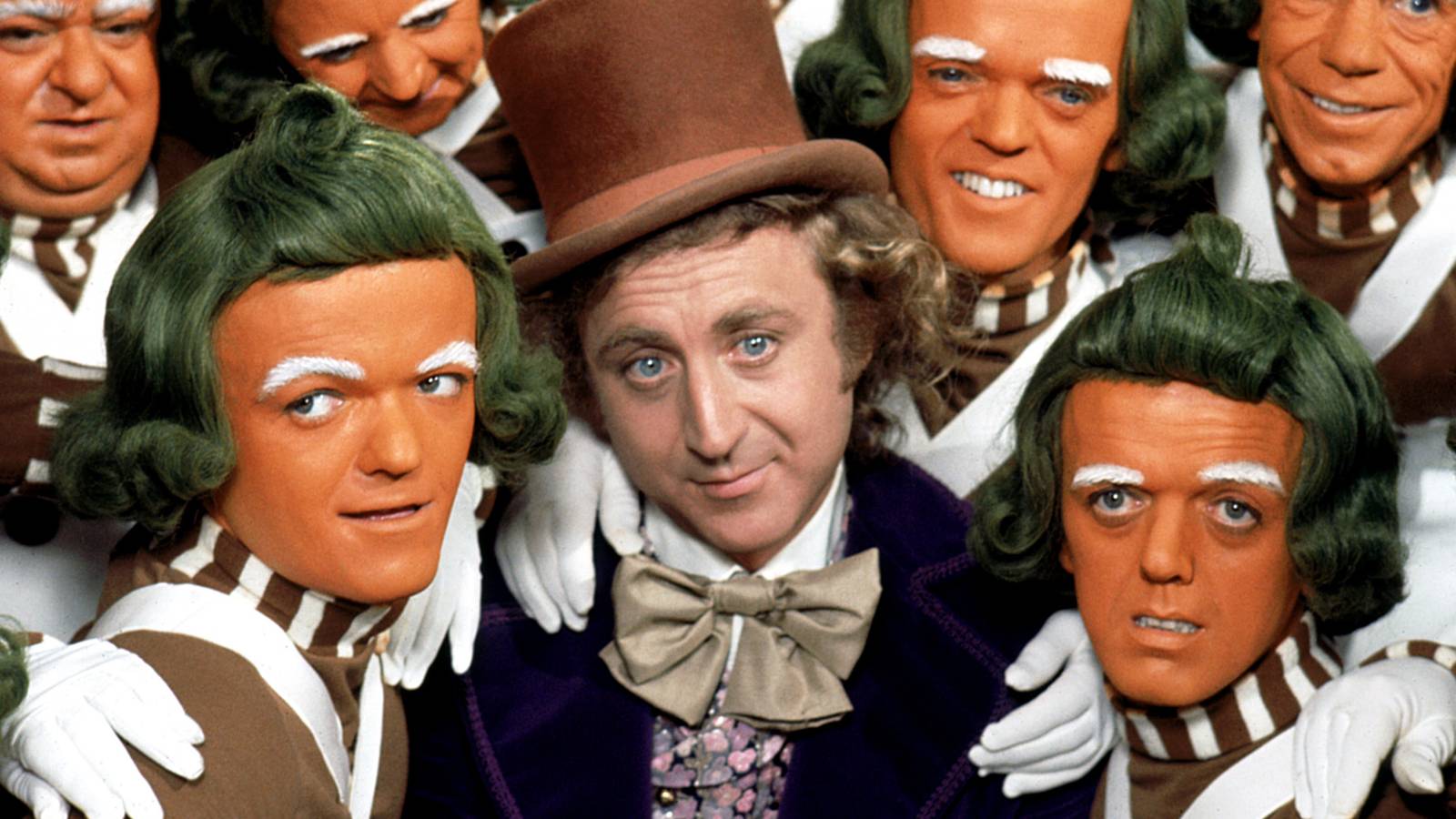
Published Oct 3, 2026, 2:28 PM EDT Growing up around performers, storytelling was always central to Emma's life. Add in a nerdy older brother who introduced her to Marvel at far too young an age, and her love for entertainment led her to pursue a Journalism degree at Indiana University, where she discovered her passion for entertainment reporting. She spent nearly one year in Los Angeles covering industry stories and fully immersing herself in the world of entertainment media. Sign in to your ScreenRant account Netflix's Wonka's The Golden Ticket has officially set another unwanted Rotten Tomatoes record. Charlie and the Chocolate Factory is one of Roald Dahl's most adapted stories. The novel was first adapted into a 1971 film starring the beloved Gene Wilder as Willy Wonka. Then, Johnny Depp portrayed the iconic chocolatier in 2006, and Timothée Chalamet played a younger version before his chocolate factory became a success. Now, Netflix has created a different spin, where the fictionalized story becomes reality as the winner earns a lifetime supply of money. Despite the bold premise, Wonka's The Golden Ticket didn't win over critics and debuted at a record-low 11%. Unfortunately, viewers' reception hasn't been any better, with the audience score landing a disappointing 23%. As a result, Wonka's The Golden Ticket audience score is the lowest for any major Willy Wonka adaptation and breaks the 20-year record set by 2005's Charlie and the Chocolate Factory. Reviews of Wonka's Golden Ticket criticized the reality show for contradicting the moral message of Dahl's original story. Additionally, several critics and audiences agree that the series lacks the humor and charm, and others question whether the concept was necessary. Tim Burton's version, starring Depp as Willy Wonka, was one of the divisive adaptations and currently holds a 51% audience score. Meanwhile, the original Willy Wonka & the Chocolate Factory has an 87% audience score, while Chalamet's Wonka became a major box office success and leads the three movies with a 90% audience score. Willy Wonka Adaptation Rotten Tomatoes Critics' Score Rotten Tomatoes Audience Score Willy Wonka & the Chocolate Factory (1971) 84% 87% Charlie and the Chocolate Factory (2005) 83% 51% Wonka (2023) 82% 90% Wonka's The Golden Ticket (2026) 11% 23% Wonka's The Golden Ticket brings 12 pairs of contestants into a recreation of Willy Wonka's Chocolate Factory, where they compete in a series of games and challenges for a $3 million prize paid out over 30 years. Rather than having a traditional host, the competition is guided by an AI recreation of Gene Wilder's Willy Wonka voice, which has also fueled backlash. Despite its poor Rotten Tomatoes reception, Wonka's The Golden Ticket still found an audience on Netflix. The series debuted at No. 2 on Netflix's English-language TV chart with 4.6 million views, showing a clear divide between the show's initial viewership and the reception from those rating it. The Rotten Tomatoes score also shows a relatively small group of viewers, with fewer than 50 audience ratings counted at the time of writing. That means the 23% score could still change as more ratings are added following the September 30 finale. Netflix continues investing in Dahl adaptations. Its ongoing collaboration with The Roald Dahl Story Company has already produced projects including Matilda the Musical, The Wonderful Story of Henry Sugar, and The Twits. Netflix isn't finished with the Chocolate Factory either. The animated Charlie vs. the Chocolate Factory is scheduled for November 5, 2027, with Kit Connor, Kate Winslet, Nicola Coughlan, Helena Bonham Carter, and Taika Waititi among its voice cast. Wonka’s The Golden Ticket is now streaming on Netflix.
Netflix's Willy Wonka Series Rotten Tomatoes Score Officially Breaks Audience Record After 20 Years
Full Article
Original Source
Read the full article at Screenrant →KhanList aggregates and links to publicly available news content. We do not host full articles from third-party sources. Always verify important information with original sources.