
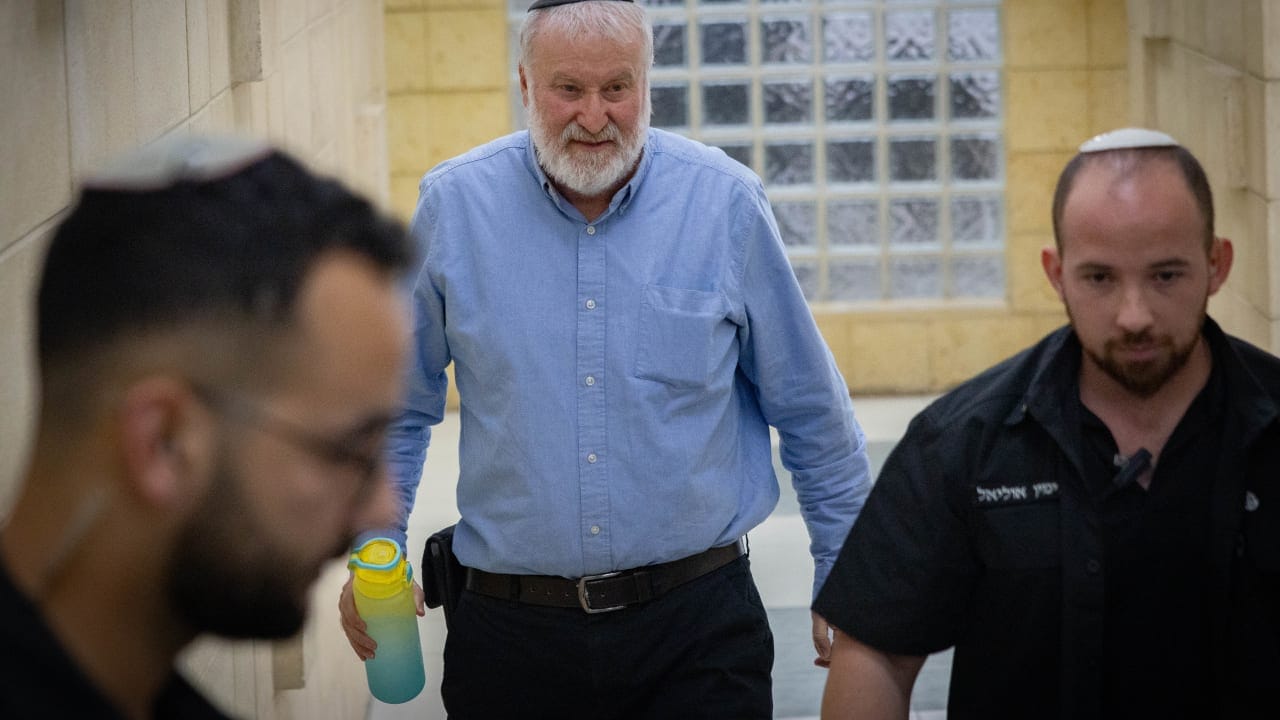
Mandelblit, who approved the indictment against Netanyahu, was called to testify by the defense. His questioning has focused on the authorizations he gave investigators.Follow us on GoogleFormer Attorney General Avichai Mandelblit arrives to testify in the corruption trial of Prime Minister Benjamin Netanyahu at the Jerusalem District Court, October 21, 2026. (photo credit: YONATAN SINDEL/FLASH90)OCTOBER 21, 2026 11:06Prime Minister Benjamin Netanyahu’s defense pressed Wednesday for full disclosure of approvals for former attorney-general Avichai Mandelblit’s investigations, as his testimony resumed at the Jerusalem District Court amid a dispute over what he authorized police to investigate.Defense lawyer Amit Hadad said the approvals should be disclosed in full, or no further material should be provided, leaving the defense to rely on the records it already has. The request forms part of the defense’s challenge to the scope of the investigations that led to Netanyahu’s corruption trial.Mandelblit, who approved the indictment against Netanyahu, was called to testify by the defense. His questioning has focused on the authorizations he gave investigators and whether the records supplied to the defense establish what he approved.Judges discuss the scope of investigations, disclosure during trialPresiding Judge Rivka Friedman-Feldman told Hadad to first read the prosecution’s response to his requests for the approval records, then decide whether to pursue those requests. Judge Oded Shaham said the court would not dictate what prosecutors wrote in their response, leaving the defense to decide how to address it.The judges agreed that the response would not be scanned into the court file so Mandelblit would not be exposed to it. Prosecutor Yonatan Tadmor said prosecutors would not add quotations from the records of discussions to their response, and that any further material they considered necessary to disclose would be provided after a court decision.Prime Minister and Likud party chairman Benjamin Netanyahu visits supporters in the northern Israeli city of Haifa, ahead of Israel’s upcoming general elections, October 14, 2026 (credit: Sharon Leibel/Flash90)The exchange followed Tuesday’s questioning about the distinction between Mandelblit’s approval to investigate Netanyahu and the wording police used to tell the prime minister what he was suspected of doing.That dispute centered on Case 4000, in which prosecutors allege that Netanyahu advanced regulatory measures benefiting telecommunications company Bezeq in exchange for intervention in the Walla news website’s coverage. In that case, Netanyahu faces charges of bribery, fraud, and breach of trust and denies wrongdoing.Mandelblit testified Tuesday that he remembered approving Netanyahu’s questioning as a suspect in all three cases against him. However, he could not recall whether he had explicitly approved using the word “bribery” in the warning given to Netanyahu before questioning in Case 4000.Hadad pointed to a document describing the approved investigation into Netanyahu as concerning public-integrity offenses, while explicitly referring to bribery in relation to Shaul Elovitch, the businessman at the center of the Bezeq-Walla case. Hadad argued that the difference showed Mandelblit had authorized questioning Netanyahu on suspicion of fraud and breach of trust.'Using discretion between bribery and breach of trust'Mandelblit maintained that Case 4000 involved suspected bribery, while acknowledging that the wording shown to him more closely suited breach of trust.“I wanted to leave myself discretion between bribery and breach of trust,” he said Tuesday.Judge Moshe Bar-Am questioned whether it was appropriate to use such convoluted wording when warning a prime minister before questioning. Mandelblit said the formulation could encompass offenses beyond breach of trust.The disagreement concerned what investigators were authorized to examine and what Netanyahu was told at the time.Netanyahu also faces fraud and breach-of-trust charges in Case 1000, involving expensive gifts from wealthy businessmen, and in Case 2000, involving discussions with publisher Arnon Mozes about favorable coverage in Yediot Aharonot in exchange for steps against rival newspaper Israel Hayom. He denies wrongdoing in all three cases. His trial began in May 2020.Follow us on Google
Netanyahu defense seeks full disclosure of investigation approvals as Mandelblit testimony resumes
Full Article
Original Source
Read the full article at Jpost →KhanList aggregates and links to publicly available news content. We do not host full articles from third-party sources. Always verify important information with original sources.